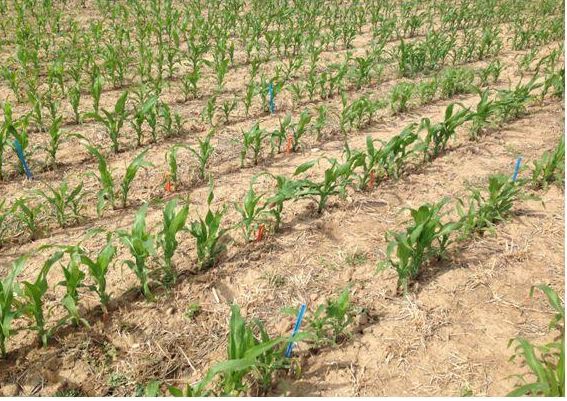
Starting in the 1960s, a Green Revolution in India led to a boom in rice and wheat production and that helped reduce hunger - but it meant demands on the water supply and pollution from fertilizer.
When Indians have embraced modern technology more recently, pollution from fertilizer has gone down, but rice takes a lot of water. And "natural" rice is not great nutritionally. Nutrient deficiencies are already widespread in India today--30 percent or more are anemic--and many regions are chronically water-stressed.
Replacing fallow lands with cover crops in order to increase the levels of carbon and soil nitrogen also enhances its quality and mitigates nitrate leaching in an agricultural land, according to a new analysis.
After collecting data for ten years, results indicate that such cover crops, which maintain the soil protected during winter months, reduce degradation and provide an extra organic matter after their completion, though not without cost.
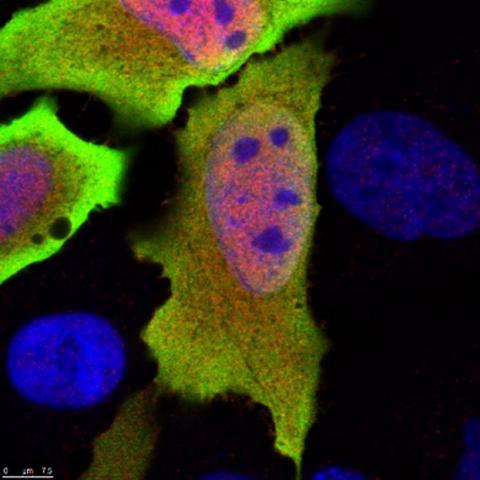
A gene called called C6orf106, or "C6", has existed for 500 million years, but understanding how it controls the production of proteins involved in infectious diseases, cancer and diabetes is only being understood more recently. The human genome was first fully sequenced in 2003, which means there are still thousands of genes that we know very little about.
Our immune system produces proteins called cytokines that help fortify the immune system and work to prevent viruses and other pathogens from replicating and causing disease. C6 regulates this process by switching off the production of certain cytokines to stop our immune response from spiralling out of control.
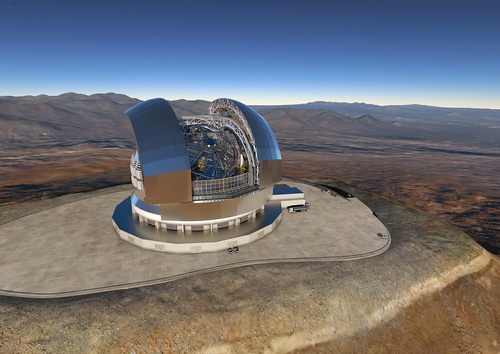
A new paper believes detection of atmospheric signatures for a few potentially habitable planets could occur before 2030.
Does that mean life on other planets?
Perhaps. perhaps not. We could be first in the universe, even though mathematically we should not be, just like mathematically light from infinite stars could make our sky pure white even at night. But if we are not first, the challenge becomes how to really detect anything else. We are currently unable to visit exoplanets, and since we determined 15 years ago we couldn't even return to the moon until 2020 (and then the succeeding president scrapped that mission) we are not visiting them any time soon. But we can use telescopes to remotely examine them for so-called biosignatures.
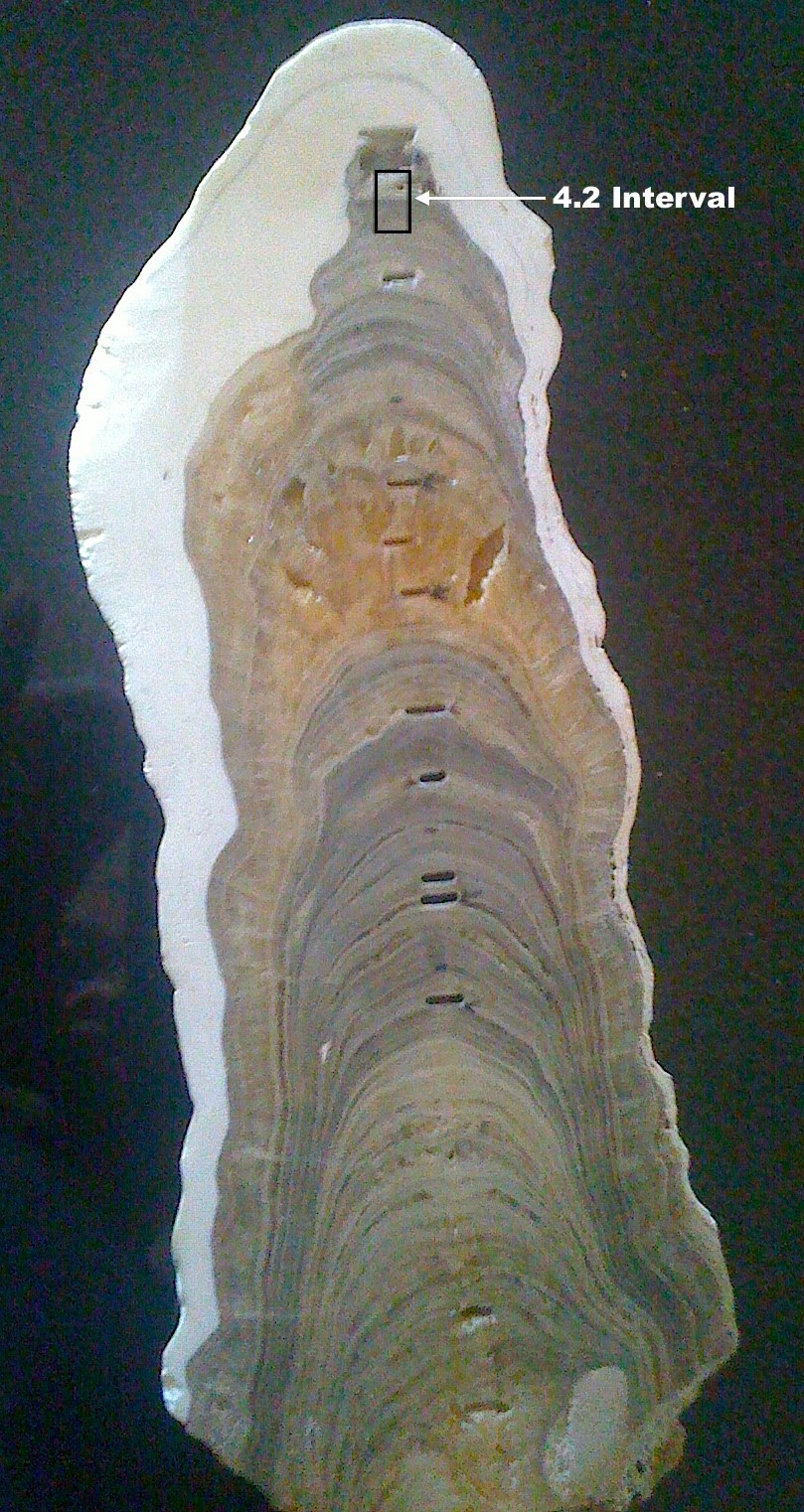
Around 2,200 B.C, agricultural societies around the world experienced an abrupt cooling and a critical mega-drought. Humans had been progressing nicely since the end of the last Ice Age, and suddenly this cooling, and accompanying droughts, forced the collapse of civilizations in Egypt, Greece, Syria, Palestine, Mesopotamia, the Indus Valley, and the Yangtze River Valley, which led to migrations and regenerations in other areas.
Evidence of this period, now called the 4.2 kiloyear climatic event, has been found on all seven continents and it has become the reason for the most recent unit of the Geologic Time Scale, now called the Late Holocene Meghalayan Age.
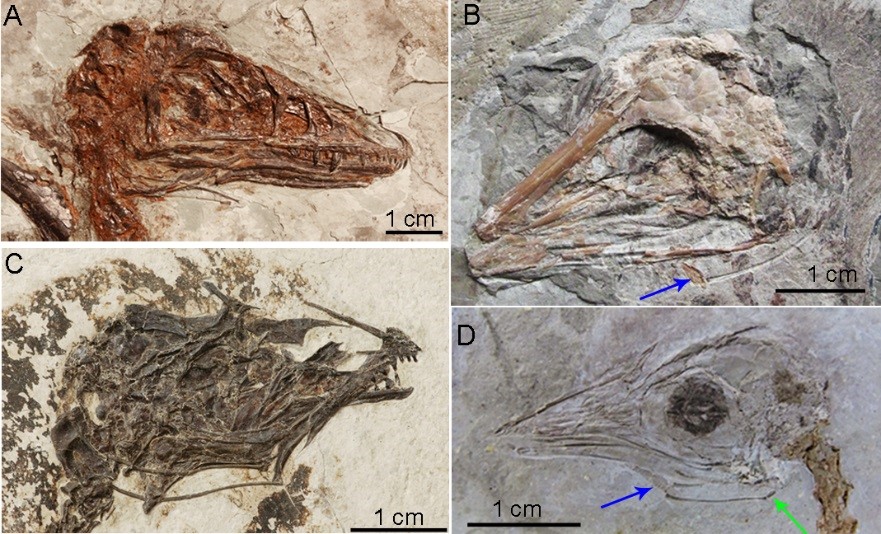
Einstein could stick out his tongue but dinosaurs could not,
according to a new paper. Instead of being like modern day lizards or legendary physicists, their tongues were probably rooted to the bottoms of their mouths like alligators.
The discovery was made by comparing the hyoid bones — the bones that support and ground the tongue — of modern birds and crocodiles with those of their extinct dinosaur relatives. In addition to challenging depictions of dino tongues, the research proposes a connection on the origin of flight and an increase in tongue diversity and mobility.


 Pilot Study: Fibromyalgia Fatigue Improved By TENS Therapy
 High Meat Consumption Linked To Lower Dementia Risk
 Long Before The Inca Colonized Peru, Natives Had A Thriving Trade Network
 Mesolithic People Had Meals With More Tradition Than You Thought