Banner
Pilot Study: Fibromyalgia Fatigue Improved By TENS Therapy

Fibromyalgia is the term for a poorly-understood condition where people experience pain and fatigue...

High Meat Consumption Linked To Lower Dementia Risk

Older people who eat large amounts of meat have a lower risk of dementia and cognitive decline...

Long Before The Inca Colonized Peru, Natives Had A Thriving Trade Network

A new DNA analysis reveals that long before the Incan Empire took over Peru, animals were...

Mesolithic People Had Meals With More Tradition Than You Thought

The common imagery of prehistoric people is either rooting through dirt for grubs and picking berries...

User picture.
News StaffRSS Feed of this column.

News Releases From All Over The World, Right To You... Read More »

Blogroll
Though there are science and engineering hurdles to overcome, governments are keen on using food for fuel. Corn is most common right now but sugar is also a target for legislators who want to pivot away from conventional energy.

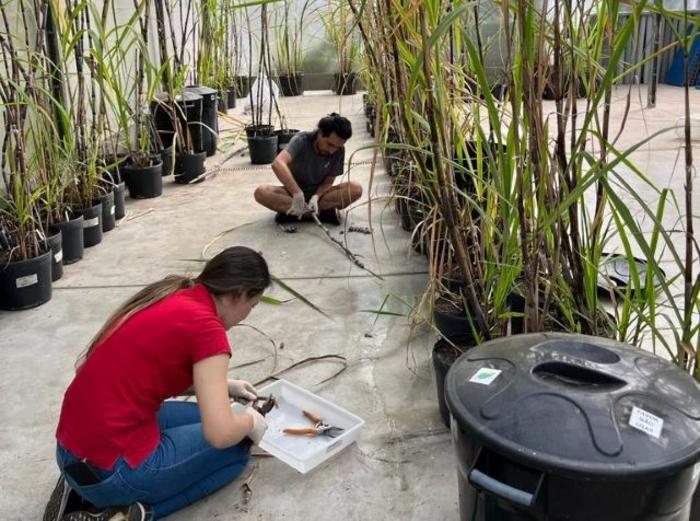
Brazil is understandably interested in getting out in front of the issue. Sugarcane is one of Brazil’s main tools for ethanol from sugarcane is one of the most important renewable biofuels that can replace fossil fuels. 

A recent review of its importance to Brazil also discusses the history of sugarcane genetic improvement in Brazil from the arrival of the Portuguese to the currently available varieties.
While deforestation has declined rapidly in the last 60 years, clearing trees to make room for farmland was once essential. 

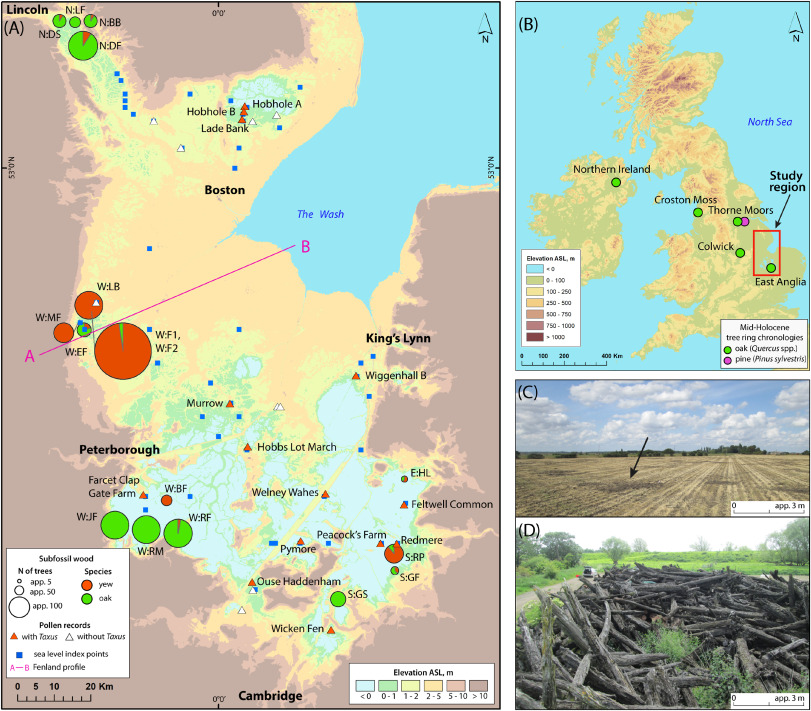
Even an island like England had farming going back thousands of years. Hundreds of dead tree trunks in the low-lying Fens of eastern England, caught in the machinery of Fenland farmers while plowing their fields, were from yew trees that populated the area between four and five thousand years ago. Yet farmers did not cut them down, Fen yew woodlands died rapidly about 4,200 years ago due to climate change, when peat expanded the trees fell and were preserved until today. It is likely that a rapid sea level rise in the North Sea flooded the area with salt water.
If you visit Japan, you may be surprised that Japanese traffic lights have blue on go rather than the green in the U.S. Actually, green is the standard there, just as red is, they just have a different definition of green.

It is rather common that things which should be basically the same for everyone, like a color, have not only different words but different meanings. A new study of basic color terms found that in cultures that have remained isolated, there are a lot fewer words for the tens of millions of colors we see.
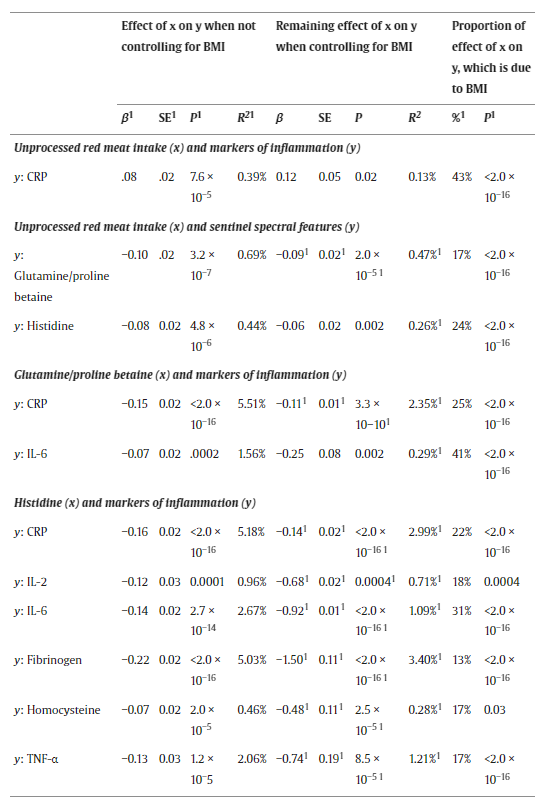
Some controversial claims by epidemiologists with links to anti-meat groups (Frank Hu, Walter Willett, et al.) suggest that a normal human diet containing meat causes inflammation, which they then link to increased risk of heart disease.

A risk factor for a risk factor for a disease isn't very compelling but journalists often confuse hazard, including when epidemiologists use 10,000 doses, and risk, which is actual clinical relevance to people.
Hurricane Katrina was not dangerous until it hit land in Louisiana. But it intensified and since activists had successfully lobbied the Clinton administration to prevent the Army Corps of Engineers from making repairs, devastation occurred.

Injuries and lives lost may have been reduced if there was a better way to predict when a commonplace tropical depression or tropical storm will intensify. 

A new paper says there’s more than one mechanism that causes rapid intensification. 
The benefits of fluoridated water are well-established but when nature rather than science is in charge it can be harmful. The dose makes the poison and over 200 million people worldwide are estimated to be exposed to high fluoride levels in their drinking water.

A new study finds that long-term consumption of water with fluoride levels far above, 1000 percent more, established drinking water standards may be linked to cognitive impairments in children.