Banner
Pilot Study: Fibromyalgia Fatigue Improved By TENS Therapy

Fibromyalgia is the term for a poorly-understood condition where people experience pain and fatigue...

High Meat Consumption Linked To Lower Dementia Risk

Older people who eat large amounts of meat have a lower risk of dementia and cognitive decline...

Long Before The Inca Colonized Peru, Natives Had A Thriving Trade Network

A new DNA analysis reveals that long before the Incan Empire took over Peru, animals were...

Mesolithic People Had Meals With More Tradition Than You Thought

The common imagery of prehistoric people is either rooting through dirt for grubs and picking berries...

User picture.
News StaffRSS Feed of this column.

News Releases From All Over The World, Right To You... Read More »

Blogroll

Researchers at NIST, in collaboration with scientists from the University of Maryland and Howard University, have developed a technique to create tiny, highly efficient light-emitting diodes (LEDs) from nanowires. As described in a recent paper,* the fabricated LEDs emit ultraviolet light—a key wavelength range required for many light-based nanotechnologies, including data storage—and the assembly technique is well-suited for scaling to commercial production.


Micrograph of a complete nanowire LED with the end contact. The long nanowire (A) is about 110 micrometers long, a shorter nanowire (B) crosses it. The bright circular section is the metal post from which the nanowires are aligned.

Why are there no Unicorns?

Perhaps horses develop in a way that cannot be easily modified to produce a Unicorn, so such creatures have never arisen. Or maybe Unicorn-like animals have been born in the past but because there is no advantage for a horse to have a horn, such creatures did not thrive and were weeded out by natural selection.

In a fundamental discovery that someday may help cure type 1 diabetes by allowing people to grow their own insulin-producing cells for a damaged or defective pancreas, medical researchers here have reported that they have engineered adult stem cells derived from human umbilical cord blood to produce insulin.

Their paper cites six years of research and calls it "the first demonstration that human umbilical cord blood-derived stem cells can be engineered" to synthesize insulin.

On 12 May 2007 Cassini obtained this image showing the coastline and an archipelago in a portion of a large sea, consistent with the larger sea seen by the Cassini imaging instrument.

Like other liquid bodies seen on Titan, this feature reveals channels, islands, bays, and other features typical of terrestrial coastlines and the liquid, most likely a combination of methane and ethane, appears very dark in radar. What is striking about this portion of the sea compared to other liquid bodies on Titan is the relative absence of brighter regions within it, suggesting that the depth of the liquid here exceeds tens of metres.

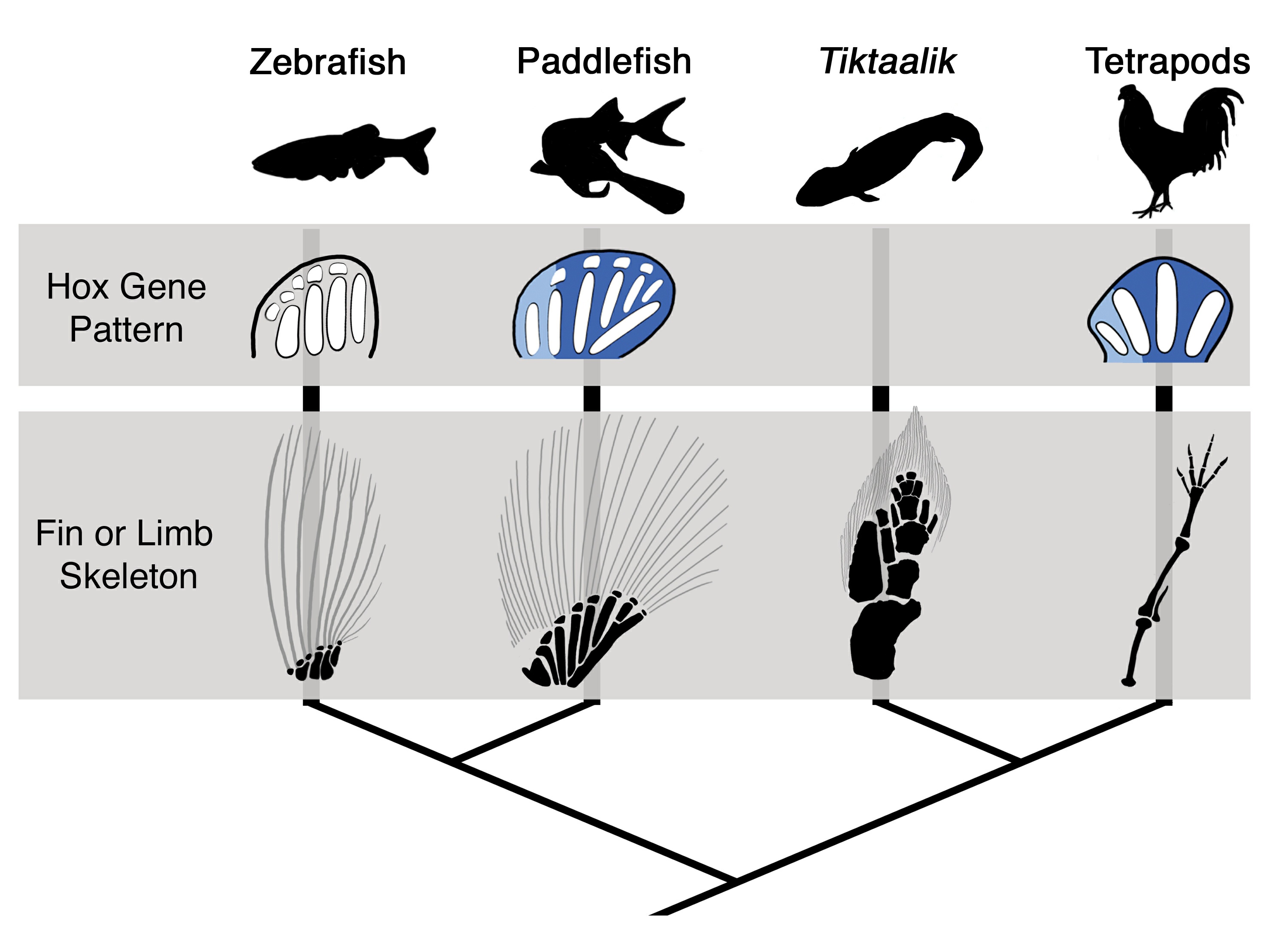
Long before animals with limbs (tetrapods) came onto the scene about 365 million years ago, fish already possessed the genes associated with helping to grow hands and feet (autopods) report University of Chicago researchers.

Paddlefish fins exhibit a unique pattern of Hox expression previously thought present only in the developing hands and feet of land vertebrates (tetrapods). This result supports the notion that fossil fish already possessed the genetic toolkit needed to evolve hands, feet, fingers and toes. Credit: University of Chicago Medical Center

During the first 24 hours of invasion by the malaria-inducing parasite Plasmodium falciparum, red blood cells start to lose their ability to deform and squeeze through tiny blood vessels-one of the hallmarks of the deadly disease that infects nearly 400 million people each year. Now, an international team of researchers led by an MIT professor has demonstrated just why that happens.