Banner
Pilot Study: Fibromyalgia Fatigue Improved By TENS Therapy

Fibromyalgia is the term for a poorly-understood condition where people experience pain and fatigue...

High Meat Consumption Linked To Lower Dementia Risk

Older people who eat large amounts of meat have a lower risk of dementia and cognitive decline...

Long Before The Inca Colonized Peru, Natives Had A Thriving Trade Network

A new DNA analysis reveals that long before the Incan Empire took over Peru, animals were...

Mesolithic People Had Meals With More Tradition Than You Thought

The common imagery of prehistoric people is either rooting through dirt for grubs and picking berries...

User picture.
News StaffRSS Feed of this column.

News Releases From All Over The World, Right To You... Read More »

Blogroll
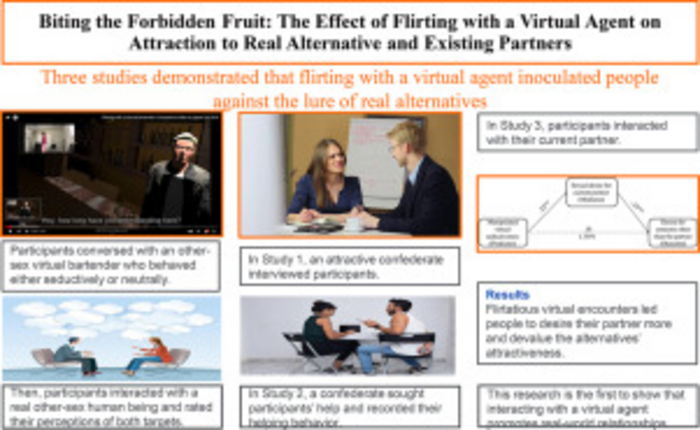
Most people go into relationships intending to be monogamous, or at least convincing themselves they can remain faithful, but with cheap travel and dating apps, any small problem can become a permanent schism.

A new paper sought to understand if virtual reality can be used to examine the circumstances that will help people in a monogamous relationship resist the temptations of infidelity.
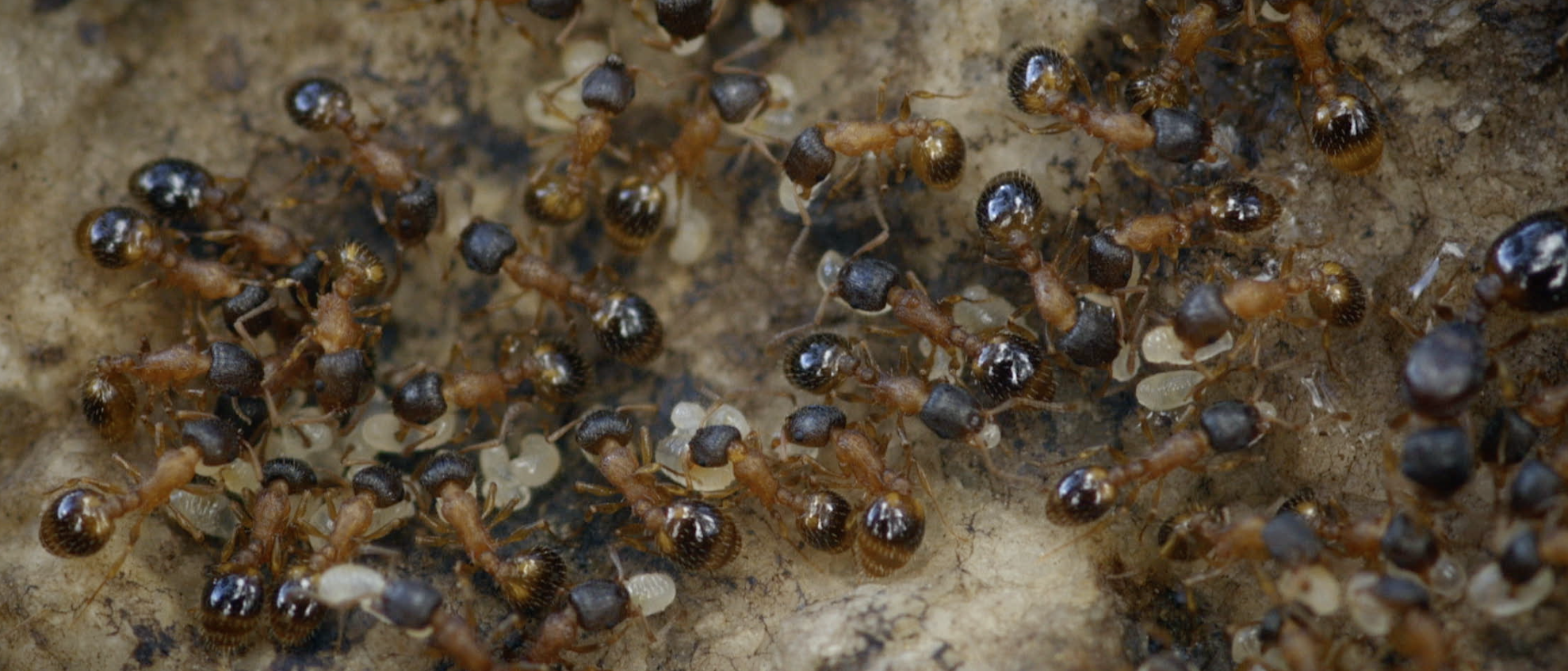
It is easy to believe ants disperse and walk randomly until they find something they want, but a new paper says they may have a more methodical approach.

At least one species of rock ant, Temnothorax rugatulus, doesn’t walk randomly at all. Instead, their search combines systematic meandering with random walks interspersed. They alternate left and right turns on a relatively regular length scale of roughly three body lengths.
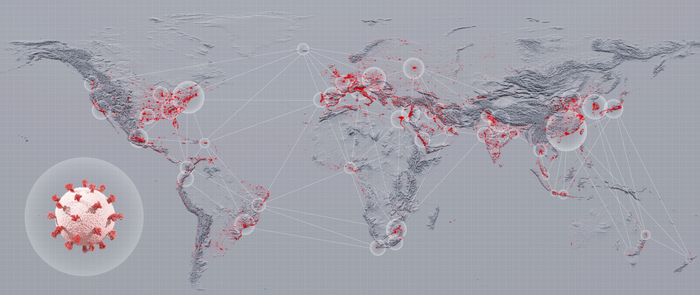
SIR, shorthand for Susceptible people, Infected people, and Recovered people, modeling is, along with R0, a rule of thumb for disease epidemiology but it failed during the COVID-19 pandemic, and with three coronavirus pandemics since 2003 they are the new normal, so the race is on to make better predictive analytics and restore public confidence.

A new model used COVID-19 data for calibration and integrated SIR compartment modeling in time and a point process modeling approach in space–time, while also taking into account age-specific contact patterns. To do this, they used a two-step framework that allowed them to model data on infectious locations over time for different age groups.
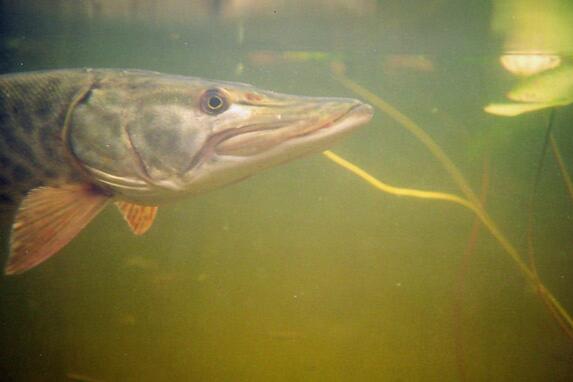
If you fish you know that catching a muskie (muskellunge), the “fish of 10,000 casts”, is like hitting a hole-in-one in golf. You will talk about it a lot.

But it doesn't need 10,000 casts because that would mean having one strike is random. Instead, it helps to learn how they behave. A recent experiment evaluated behavioral traits – activity, aggression, boldness, and exploration – for 68 young muskies in laboratory tanks before transferring the fish to an outdoor pond. Then they fished the pond every day for 35 days.
Government lockdowns may have been terrible for diagnosing disease and the mental health of kids but it reduced terrorism, according to a new paper. If no one can travel, government agents helping fifth columnists do their damage are useless. When the pandemic struck, terrorists vowed to increase their attacks and create a tipping point but that did not happen.

Instead, government-imposed curfews and travel bans instituted to protect public health in Iraq, Syria, and Egypt were significantly associated with a reduction in ISIS attacks, especially in urban areas and locations near their bases of operations. It likely meant fewer attacks by al-Qaeda, and Boko Haram also.
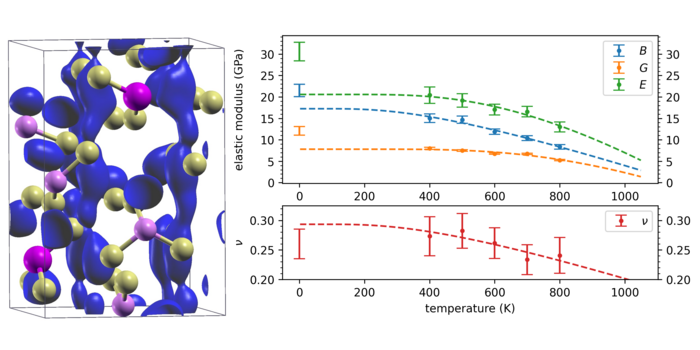
Superionic materials, needed for solid-state electrolytes that could replace the liquid organic electrolytes in current electric car batteries and make them safe for mass usage, face challenges in going from conception to production.

Lithium ions are very mobile at ambient temperatures in solid-state ionic conductors, and that means atoms do not simply vibrate around their equilibrium positions. Disorder is bad in production systems.