Banner
Pilot Study: Fibromyalgia Fatigue Improved By TENS Therapy

Fibromyalgia is the term for a poorly-understood condition where people experience pain and fatigue...

High Meat Consumption Linked To Lower Dementia Risk

Older people who eat large amounts of meat have a lower risk of dementia and cognitive decline...

Long Before The Inca Colonized Peru, Natives Had A Thriving Trade Network

A new DNA analysis reveals that long before the Incan Empire took over Peru, animals were...

Mesolithic People Had Meals With More Tradition Than You Thought

The common imagery of prehistoric people is either rooting through dirt for grubs and picking berries...

User picture.
News StaffRSS Feed of this column.

News Releases From All Over The World, Right To You... Read More »

Blogroll
Pancreatic cancer tends to develop from chronic inflammation that happens when a mutation has caused digestive enzymes to digest the pancreas itself.

What if we could go 'back in time' and reverse that process?

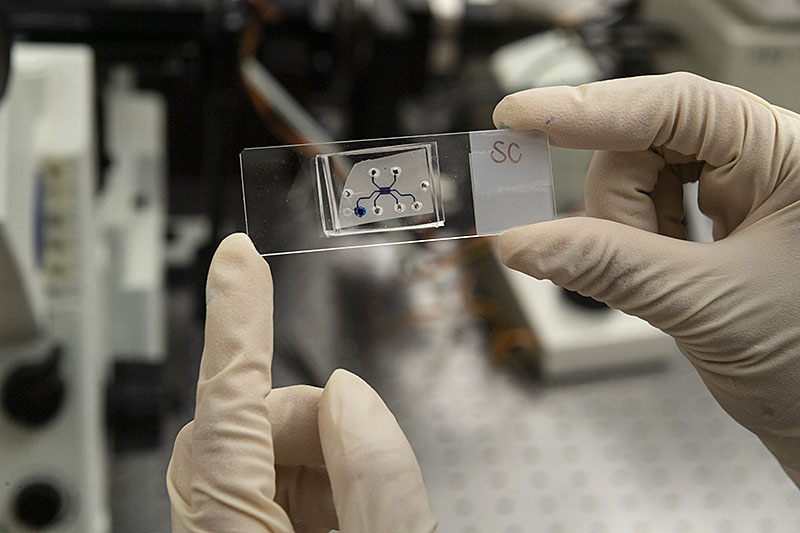
Purdue University Professor Bumsoo Han and his team built is a lifelike reproduction of a pancreatic structure called the acinus, which produces and secretes those digestive enzymes into the small intestine. The goal is reprogram the cancerous acinar cells that produce those enzymes, and perhaps completely reset the pancreas. 
In 2019, three free-ranging cheetahs in the Namib Desert died within 24 hours of each other. Scholars set out to determine why.

On October 5th 2019, the carcass of a GPS-collared cheetah in the Namib desert was found dead from the air. After they went in on foot to investigate, two other cheetahs were also found dead. The GPS data showed they had all died within a short period of each other so the team then identified a cluster of GPS locations approximately two kilometers away from the location where they were found dead.
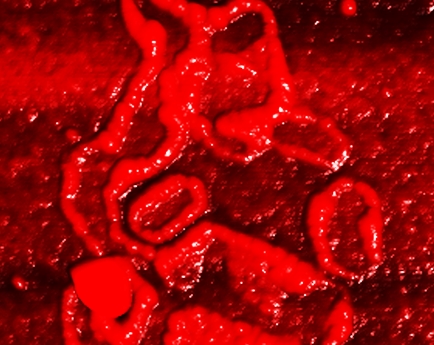
For a pilot study, a team examined blood samples from 50 patients and 16 healthy subjects. Using atomic force microscopy technology, they analyzed the surface of around 1000 red blood cells per person without knowing anything about their state of health. 

They were able to detect the presence of suspicious proteins, beta-amyloid peptides and tau proteins associated with the neurodegenerative disease commonly called dementia. but also to determine their variable shape and form as well as their amounts.

Exercise is healthy. That is common knowledge. But just how rigorous should that exercise be in order to really impact a person’s fitness level? And, if you sit all day at a desk, but still manage to get out and exercise, does that negate your six, seven, or eight hours of sedentary behavior? 

These were the sort of questions Matthew Nayor and his team at Boston University School of Medicine set out to answer in the largest study to date aimed at understanding the relationship between regular physical activity and a person’s physical fitness. 

The rapid development of effective mRNA vaccines for COVID-19 has led some observers to suggest that mRNA will push other types of vaccines out of the market completely in the near future. But is that desirable? Is it even possible?

The coconut is the sixth most cultivated fruit on earth and thanks to fads around things like coconut oil and water, demand continues to rise.

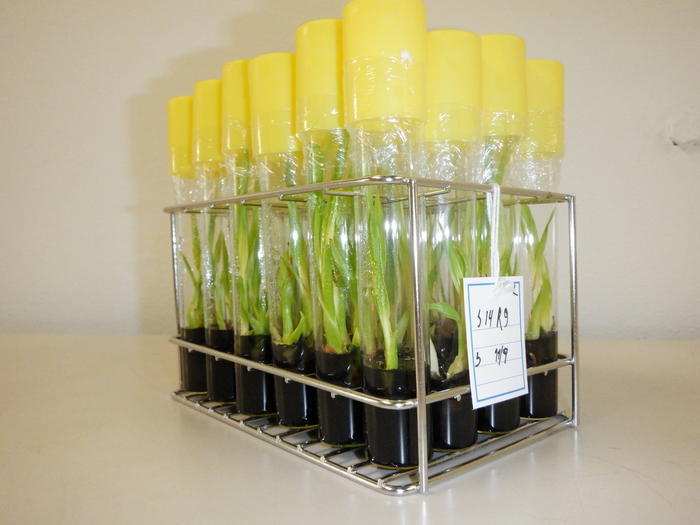
Growing products that rich people want is great for developing nations but they face challenges. Trees grow slowly and natural plagues Lethal Yellowing Disease put existing ones at risk. The answer may be what made bananas the staple they are now: cloning.

"Coconut plants do not form side shoots. They put all their energy into one shoot that has to grow as fast and as tall as possible. This makes it very difficult to clone and store the plants," said Bart Panis of KU Leuven.


Image courtesy of Hannes Wilms at KU Leuven