Banner
The Scorched Cherry Twig And Other Christmas Miracles Get A Science Look

Bleeding hosts and stigmatizations are the best-known medieval miracles but less known ones, like ...
$0.50 Pantoprazole For Stomach Bleeding In ICU Patients Could Save Families Thousands Of Dollars

The inexpensive medication pantoprazole prevents potentially serious stomach bleeding in critically...

Metformin Diabetes Drug Used Off-Label Also Reduces Irregular Heartbeats

Adults with atrial fibrillation (AFib) who are not diabetic but are overweight and took the diabetes...

Your Predator: Badlands Future - Optical Camouflage, Now Made By Bacteria

In the various 'Predator' films, the alien hunter can see across various spectra while enabling...

User picture.
News StaffRSS Feed of this column.

News Releases From All Over The World, Right To You... Read More »

Blogroll
Getting enough sleep is correlated to brain and heart health and after a stroke that is even more important.

A new survey finds that is when people who need it are least likely to get it. 

A cohort of 39,559 people were asked every two years how much sleep they usually get at night on weekdays or workdays. Sleep duration was divided into three categories: short, less than six hours; normal, six to eight hours; and long, eight or more hours of sleep. The group included 1,572 people who had a stroke.


Image: Storyblocks
A health data simulation has concluded that a single dose of the Modified vaccinia Ankara-Bavarian Nordic (MVA-BN) was 58% effective in protecting again mpox infection, a disease caused by infection with the Monkeypox virus, which is most likely in men who have sex with men and which causes a rash, along with other symptoms. 
The neurons in our brains are protected by an insulating layer called myelin. In diseases like multiple sclerosis, this protective layer is damaged and lost, leading to death of neurons and gradual disability.
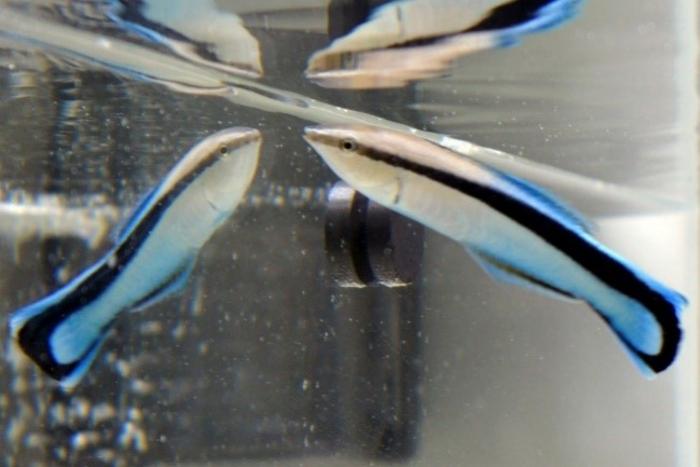
Researchers in Scientific Reports are claiming the first non-human instance of an animal possessing some mental states (e.g., mental body image, standards, intentions, goals), which are elements of private self-awareness.

They show that Labroides dimidiatus (bluestreak cleaner wrasse) checked their body size in a mirror before choosing whether to attack fish that were slightly larger or smaller than themselves. 

The authors say the cleaner wrasse’s behavior of going to look in the mirror installed in a tank when necessary indicated the possibility that the fish were using the mirror to check their own body size against that of other fish and predict the outcome of fights.
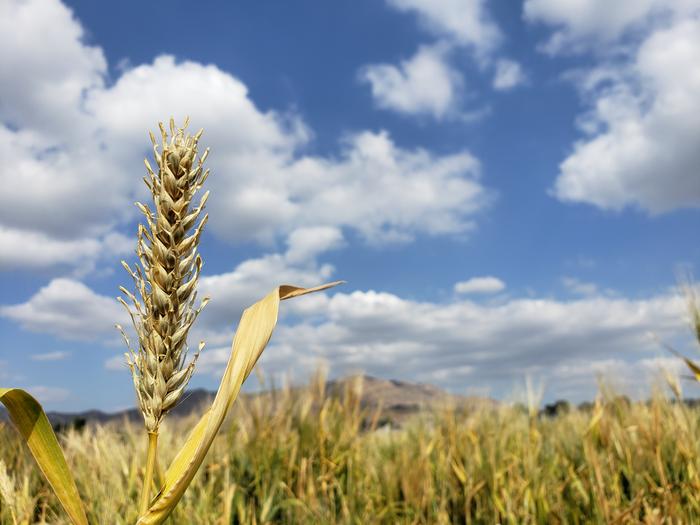
In 1929, an experiment with 28 barley varieties showed why barley, one of the world’s most important cereal crops for at least 12,000 years, has been so adaptable, growing everywhere from Norway to the mountains of South America, and why that means the future remains bright for whiskey and beer.

In most cases, random changes to DNA allowed it to survive in each new location so scientists nearly 100 years ago set out to discover the genes that changed to predict which varieties will thrive in which places. Modern work is highlighting for media its implications in a world of future climate change but nothing happening now compares to the rain and drought booms and busts of the past.
Influences buoyed by epidemiological claims about gimmick diets can make fitness intimidating but ignore them. Even if you don't lose weight, if you exercise your belly fat is still going to be healthier than someone who does nothing.

It just takes some consistency.