Imagine a time when the entire universe froze - according to a new model for dark energy, that is essentially what happened about 11.5 billion years ago, when the universe was a quarter of the size it is today.
A cosmological phase transition, similar to freezing, is one of the distinctive aspects of this latest effort to account for dark energy; a mysterious, unseen negative force that some cosmologists say makes up more than 70 percent of all the energy and matter in the universe and is pushing the universe apart at an ever-faster rate.
A new low-bandwidth, high-frame-rate videoconferencing technology that creates the appearance of three-dimensionality and a strong sense of co-presence without the use of expensive motion-tracking devices or multicamera arrays could eventually become available for cell phones, laptop computers and personal digital assistants, according to a researcher at the University of Virginia.
The technology was presented Friday in London at the International Workshop on Image Analysis for Multimedia Interactive Services.
As many as 1 in 3 adults (up to 72 million people) in the United States has high blood pressure. Hypertension can lead to coronary heart disease, heart failure, stroke, kidney failure, and other health problems, and is attributed to 7 million deaths worldwide each year.
Blood pressure has a genetic component and hypertension runs in families. Attempts to identify genes associated with blood pressure have met with limited success but now an international research team says they have identified a number of unsuspected genetic variants associated with systolic blood pressure (SBP), diastolic blood pressure (DBP), and hypertension (high blood pressure), suggesting potential avenues of investigation for the prevention or treatment of hypertension.
Scientists in Germany and India are reporting development of a new cobalt imprinted polymer that reduces the amount of radioactive waste produced during routine operation of nuclear reactors. Their study, which details a first-of-its-kind discovery, has been published in Industrial&Engineering Chemistry Research.
Scientists in California are reporting use of a first-of-its-kind approach to craft genetically engineered microbes with the much-sought ability to transform switchgrass, corn cobs, and other organic materials into methyl halides — the raw material for making gasoline and a host of other commercially important products.
The new bioprocess could help pave the way for producing biofuels from agricultural waste, easing concerns about stress on the global food supply from using corn and other food crops. Their study is scheduled for the May 20 issue of the Journal of the American Chemical Society.
New research that uses an innovative approach to study, for the first time, the relative contributions of food and exercise habits to the development of the obesity epidemic has concluded that the rise in obesity in the United States since the 1970s was virtually all due to increased energy intake.
How much of the obesity epidemic has been caused by excess calorie intake and how much by reductions in physical activity has been long debated and while experts agree that making it easier for people to eat less and exercise more are both important for combating it, they debate where the public health focus should be.


 The Scorched Cherry Twig And Other Christmas Miracles Get A Science Look
 $0.50 Pantoprazole For Stomach Bleeding In ICU Patients Could Save Families Thousands Of Dollars
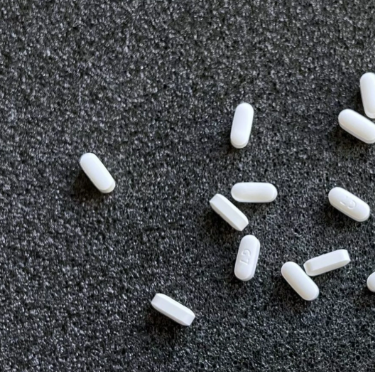 Metformin Diabetes Drug Used Off-Label Also Reduces Irregular Heartbeats
  Your Predator: Badlands Future - Optical Camouflage, Now Made By Bacteria