Not a week goes by in science that there isn't a new study related to synthetic biology or nanotechnology. They are two of the hottest fields in science and there is discussion of either ethical or environmental concerns on a recurring basis.
But the science is almost completely unaware of both, which human embryonic stem cell researchers may state would be a good thing but in reality a lack of buzz about newer areas of science mean it won't get funding, which will instead go to subsidizing old alternative energy technology policy that advisors in government like.
In an article reviewed by Faculty of 1000: Biology and Medicine, Faculty Members Robert Ruff, Brian Olshansky and Luis Ruilope say the blood-thinner dabigatran is shown to protect against stroke, blood clotting and major bleeding as effectively as warfarin, but with fewer side effects.
The original paper, "Dabigatran versus warfarin in patients with atrial fibrillation", by Neal Devaraj and Stuart Connolly et al. in the New England Journal of Medicine, said warfarin (also commonly used in rat poison) has several drawbacks; finding the correct dosage requires careful and laborious monitoring and the risk of major bleeding has led to it being under-used.
Air pollutants which travel from a country like China, the world's top producer of CO2 who also happens to be exempt from Kyoto because they insist they are a developing nation, impact the USA and then on to Europe, says a new report by the National Research Council.
Poor air quality is most strongly a result of local emissions but the influence of non-domestic pollution sources may grow as emissions from developing countries increase and become relatively more important as a result of tightening environmental protection standards in industrialized countries.
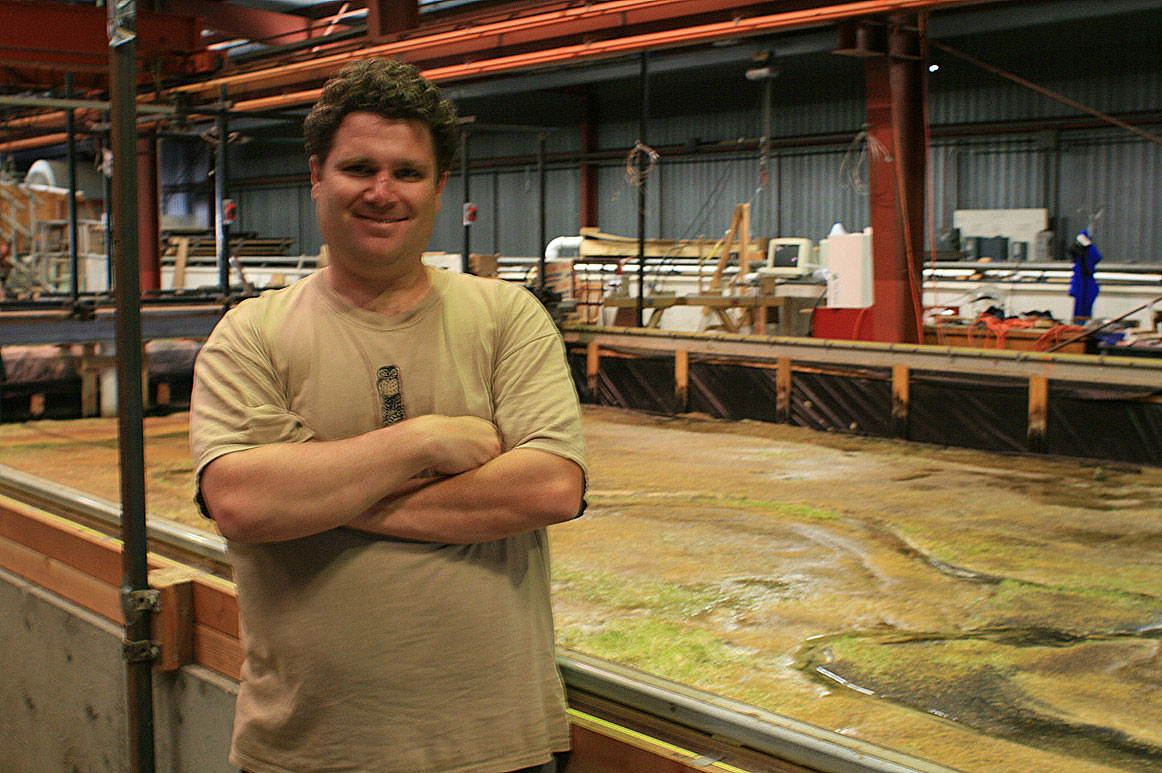
Should you use sand for stream restoration? Common wisdom said no, because it disrupts salmon spawning, researchers have successfully built and maintained a scale model of a living meandering gravel-bed river in the lab and found that sand is indispensable for helping to build point bars and to block off cut-off channels and chutes--tributaries that might start and detract from the flow and health of the stream.
The significance of vegetation for slowing erosion and reinforcing banks has been known for a long time, but this is the first time it has been scientifically demonstrated as a critical component in meandering.
Think shoes aren't important for women? You would be wrong, though perhaps not for the reasons you want to believe.
A recent Arthritis Care&Research study says that women who make poor shoe choices early in life are at greater risk for foot pain in later years. Apparently, men do not experience the same foot pain as women, though that could be because men never dance backward in heels.
If you were following actual science during the alternative energy debate of the 1990s and early 2000s, you were probably concerned about the irrational zeal of activists and politicians like Al Gore who wanted to embrace anything that meant fewer fossil fuels - specifically, ethanol.
Billions of dollars in subsidies since 2005 and mandates on its usage have shown us that ethanol was wrong all along. And it is apparently only beginning to be realized how wrong.
Even more of the fertilizers and pesticides used to grow corn would find their way into nearby water sources if ethanol demands lead to planting more acres in corn, according to a Purdue University study.


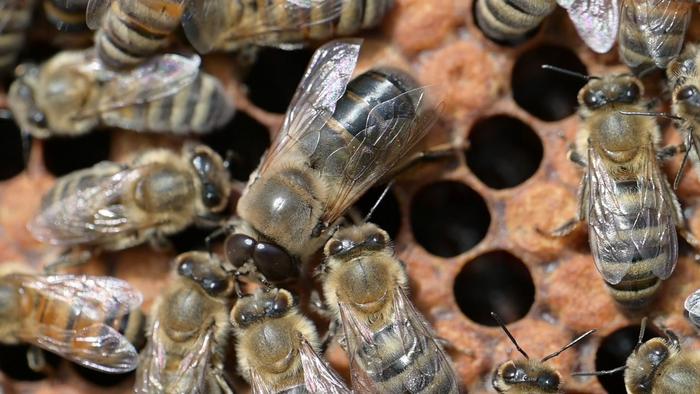 Males Are Genetically Wired To Beg Females For Food
 The Scorched Cherry Twig And Other Christmas Miracles Get A Science Look
 $0.50 Pantoprazole For Stomach Bleeding In ICU Patients Could Save Families Thousands Of Dollars
 Metformin Diabetes Drug Used Off-Label Also Reduces Irregular Heartbeats