Banner
Wavelengths Of Light Are Why CO2 Cools The Upper Atmosphere But Warms Earth

There are concerns about projected warming on the Earth’s surface and in the lower atmosphere...

Here's Where Your Backyard Was 300 Million Years Ago

We may use terms like "grounded" and terra firma to mean stability and consistency but geology...

Convergent Evolution Cheat Sheet Now 120 Million Years Old

One tenet of natural selection is a random walk of genes but nature may be more predictable than...

Synchrotron Could Shed Light On Exotic Dark Photons

There are many hypothetical particles proposed to explain dark matter and one idea to explore how...

User picture.
News StaffRSS Feed of this column.

News Releases From All Over The World, Right To You... Read More »

Blogroll

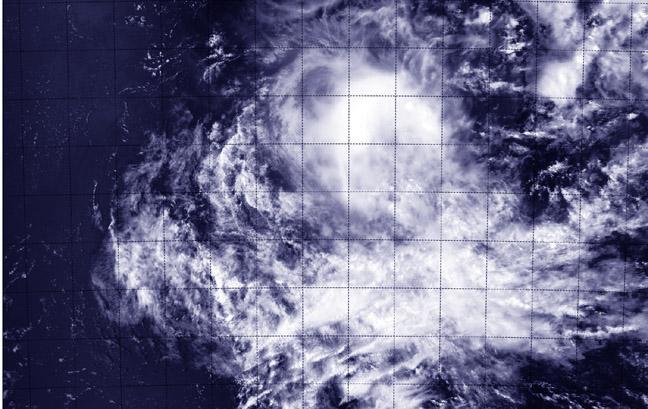
The Moderate Resolution Imaging Spectroradiometer (MODIS) instrument that flies aboard NASA's Aqua satellite captured a visible picture of Tropical Storm Adjali on Nov. 19th at 9:05 UTC (1:05 A.M. Pacific) curving to the southwest on its trek through the Southern Indian Ocean.

The MODIS image showed that the storm began curving to the southwest, and despite slight weakening, thunderstorms circled around the low-level center.

In bean sprouts, a collection of amino acids called a protein complex allows them to grow longer in the darkness than in the light. In humans, there is a similar protein complex called CSN, and its subunit CSN6 is now believed to be a cancer-causing gene that impacts activity of another gene (Myc) tied to tumor growth.

The Lacey Act, introduced in 1900 by Republican Congressman John F. Lacey of Iowa, was originally designed to stop illegal game across state borders but was then expanded, notably by President Ronald Reagan, to include illegal logging and breaking the laws of foreign governments.

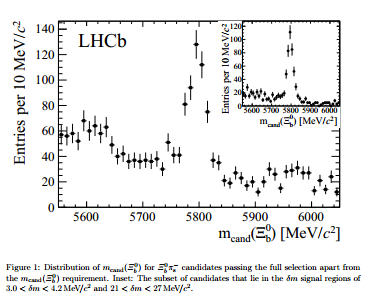
The LHCb experiment collaborators at the Large Hadron Collider have announced discovery of two new particles in the baryon family.

The particles, known as the Xi_b'- and Xi_b*-, were predicted to exist by the quark model but had never been seen before. A related particle, the Xi_b*0, was found by the CMS experiment at CERN in 2012. 

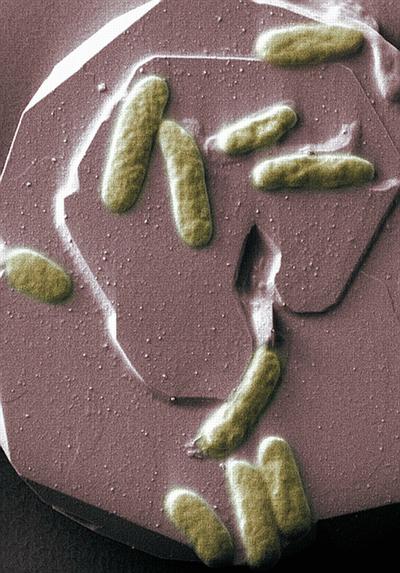
Bacteria are everywhere and so efforts to make cleaner energy using them are ongoing.

A report today shows how electrons hop across otherwise electrically insulated areas of bacterial proteins, and that the rate of electrical transfer is dependent on the orientation and proximity of these electrically conductive 'stepping stones'. It is hoped that this natural process can be used to create viable 'bio batteries' which could produce energy for portable technology such as mobile phones, tablets and laptops - powered by human or animal waste. So using your tablet on the toilet would then make even more sense.

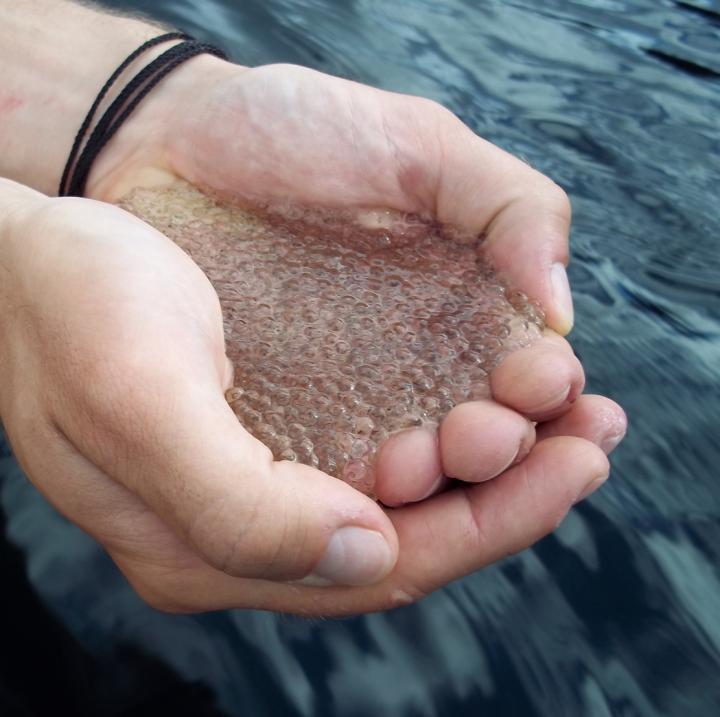
Historical acid deposits have greatly reduced calcium levels in Canadian lakes and that is dramatically impacting populations of calcium-rich plankton such as Daphnia - water fleas that dominate these ecosystems.