Women taking tamoxifen for breast cancer were less likely to continue taking the drug if they suffered nausea and vomiting - yet so were women given a placebo who experienced the same symptoms. This is evidence that drugs are being unfairly blamed for natural symptoms.
It's a chemophobia culture. People embrace homeopathy, naturopathy and various alternative techniques because they aren't required to have elaborate disclosures of side effects like real medicines have. And there is a culture war against drug companies, so if symptoms occur it may be easy to blame Big Pharma or Big Generic.
Currently, prostate-specific antigen (PSA) and other biomarkers are used for diagnosing and monitoring prostate cancer. However, biomarkers to selectively identify patients with high risk of recurrence, those who might benefit from intervention, and those who can safely choose active surveillance, are lacking. A new study in The Journal of Molecular Diagnostics describes a biomarker, PITX2 DNA methylation, which is capable of distinguishing cancerous tissue from non-cancerous tissue and predicting the risk of cancer recurrence using only small amounts of tissue obtained from core needle biopsies.
In the United States, legalization of marijuana is happening at a record pace, thanks to governments hoping for new tax streams and public health claims giving it a free pass that literally no other product has ever gotten. However, a few experts and some users agree that package warnings stating the health risks are needed, yet what marijuana smokers think is needed is different from what the medical community believes should be required.
Given the craze, it is no surprise journal publishers are scrambling to push out new places to lend marijuana a veneer of scientific authenticity. One new one, Cannabis and Cannabinoid Research,
Ernst Haeckel created the first phylogenetic ‘tree of life’ of organisms 150 years ago in Jena, and published it in his major work, the ‘General morphology of organisms.’ It allowed for us to see diversity and the connections between species.
It was not only Darwin who influenced Haeckel’s creation. He was also inspired by a linguist who was his colleague and friend in Jena. “As early as 1863, the linguist August Schleicher created a first ‘family tree’ to represent the development of Indo-Germanic languages,” says Prof. Uwe Hoßfeld of Friedrich Schiller University Jena in Germany. “Ernst Haeckel eventually adopted this form of visualization.”
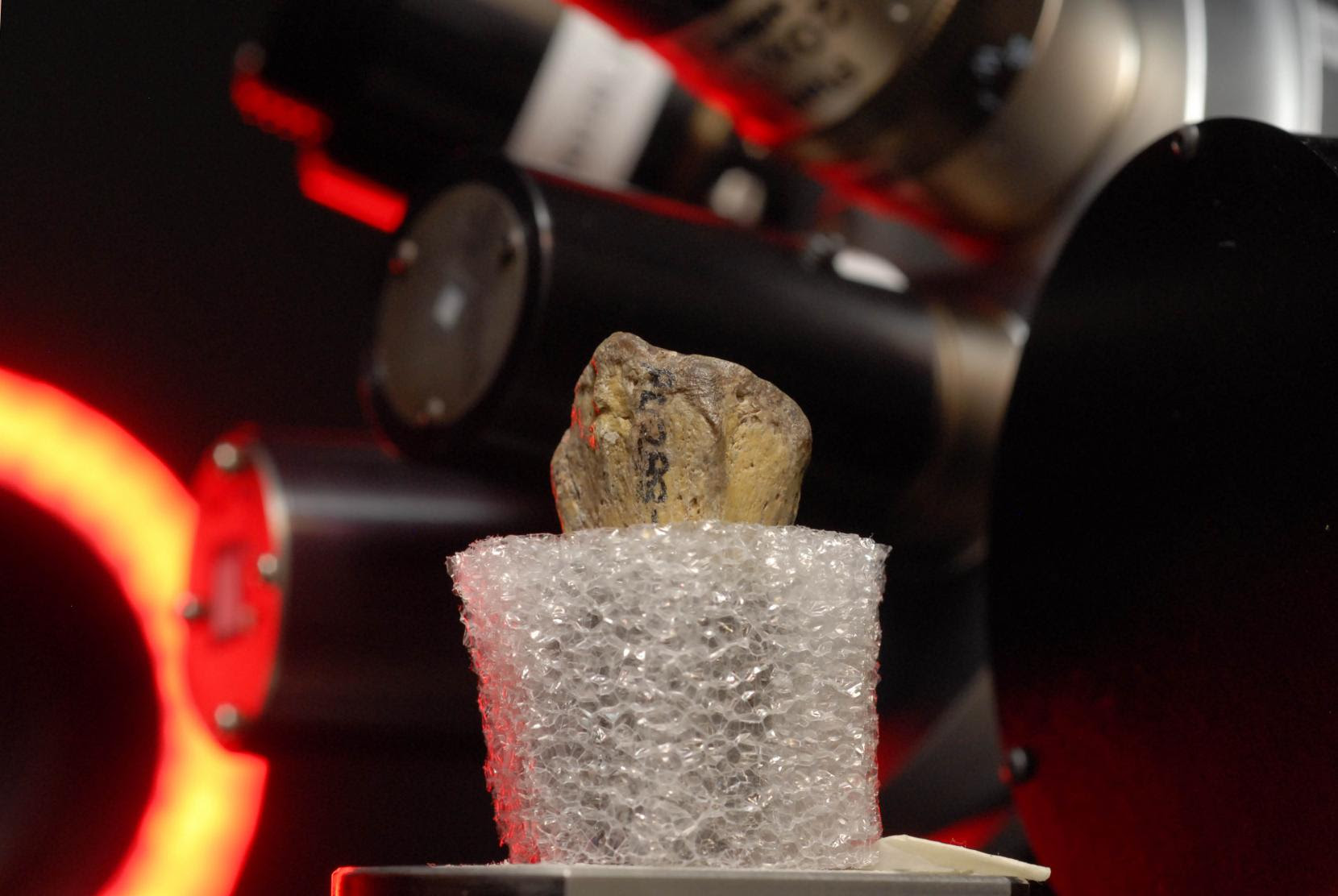
Evidence preserved in the internal skeletal structure of the famous Lucy fossil (
Australopithecus afarensis -
"southern ape of Afar") suggests the ancient human species frequently climbed trees, according to a new anal
There is no clear cut-off age to stop breast cancer screening, according to a new analysis which adds support for guidelines that encourage screening decisions based on individual patients and their health status. But which puts doctors, hospitals and insurance companies at risk in a defensive medicine environment where there are unlimited potential damages if an attorney gets a cancer patient in front of a jury.


 Pilot Study: Fibromyalgia Fatigue Improved By TENS Therapy
 High Meat Consumption Linked To Lower Dementia Risk
 Long Before The Inca Colonized Peru, Natives Had A Thriving Trade Network
 Mesolithic People Had Meals With More Tradition Than You Thought