Banner
$0.50 Pantoprazole For Stomach Bleeding In ICU Patients Could Save Families Thousands Of Dollars

The inexpensive medication pantoprazole prevents potentially serious stomach bleeding in critically...

Metformin Diabetes Drug Used Off-Label Also Reduces Irregular Heartbeats

Adults with atrial fibrillation (AFib) who are not diabetic but are overweight and took the diabetes...

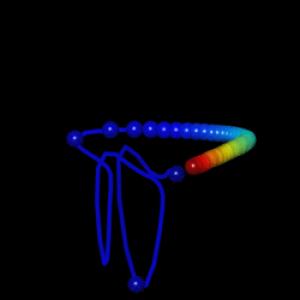
Your Predator: Badlands Future - Optical Camouflage, Now Made By Bacteria

In the various 'Predator' films, the alien hunter can see across various spectra while enabling...

In Longevity Studies, Old Dogs Can Teach Us New Tricks

The older you get, the more frail you become. The more frail you become, the greater the risk of...

User picture.
News StaffRSS Feed of this column.

News Releases From All Over The World, Right To You... Read More »

Blogroll

Scientists at Cardiff University (Wales, UK) have confirmed what thousands of people with arthritis have believed for years. Cod Liver Oil really is effective in treating joint pain and can slow, even reverse, the destruction of joint cartilage.

Cartilage is the ‘gristle’ that cushions bones and prevents them from grinding against each other. Loss of cartilage leads to osteoarthritis, the painful and disabling condition experienced by 1.5 million people in the UK and the major reason for joint replacement surgery.

Each holiday season, another woman who loves the rock band No Doubt will receive a plaid skirt that only the band's singer, Gwen Stefani, could pull off. Another athletic guy will receive an oversize sports jersey – even though off the field he prefers Brooks Brothers. Why are we so terrible at predicting the tastes of the ones we love? A new study explains why familiarity with another person actually makes predicting their tastes more difficult.

Past research has argued that lack of diagnostic information causes this sort of misperception, but Davy Lerouge (Tilburg University, the Netherlands) and Luk Warlop (Katholieke University, Belgium) found that we buy unwanted gifts even when we have plenty of knowledge.

Despite research efforts to find modern factors that would explain the different life expectancies of men and women, the gap is actually ancient and universal, according to University of Michigan researchers.

"Women live longer in almost every country, and the sex difference in lifespan has been recognized since at least the mid-18th century," said Daniel J. Kruger, a research scientist in the U-M School of Public Health and the Institute for Social Research. "It isn't a recent trend; it originates from our deep evolutionary history."

Although women consume less alcohol than men, they are more susceptible to some of the negative medical consequences of alcohol use, such as cirrhosis of the liver, cardiac disease, and cognitive impairments. Animal studies have also shown that males and females differ on behavioral as well as electrophysiological measures of alcohol's effects.

Second-hand smoke, also known as environmental tobacco smoke or ETS, is clearly associated with cancer, respiratory and cardiovascular disease in humans. Several studies have shown that up to 20 different carcinogens contained in tobacco smoke can be inhaled by non-smoking bystanders.

Dr. Timothy Fan, veterinary oncologist at the University of Illinois Veterinary Teaching Hospital in Urbana, explains that although associations between ETS and diseases in animals have not been as extensively researched, a handful of studies show a correlation between ETS and certain forms of cancer in pets.

Cats living in homes where people smoke cigarettes are more than twice as likely as other cats to acquire a deadly form of cancer known as feline lymphoma, according to a first-of-its kind study in cats conducted by scientists at Tufts University School of Veterinary Medicine and the University of Massachusetts.

The study, entitled "Environmental Tobacco Smoke and Risk of Malignant Lymphoma in Pet Cats," was published in the American Journal of Epidemiology. The authors conclude that these findings offer a compelling reason for further study of the relationship between passive smoke and non-Hodgkins lymphoma in humans, which is similar to lymphoma in cats.