Banner
Object-Based Processing: Numbers Confuse How We Perceive Spaces

Researchers recently studied the relationship between numerical information in our vision, and...

Males Are Genetically Wired To Beg Females For Food

Bees have the reputation of being incredibly organized and spending their days making sure our...

The Scorched Cherry Twig And Other Christmas Miracles Get A Science Look

Bleeding hosts and stigmatizations are the best-known medieval miracles but less known ones, like ...

$0.50 Pantoprazole For Stomach Bleeding In ICU Patients Could Save Families Thousands Of Dollars

The inexpensive medication pantoprazole prevents potentially serious stomach bleeding in critically...

User picture.
News StaffRSS Feed of this column.

News Releases From All Over The World, Right To You... Read More »

Blogroll

Researchers at the RIKEN Center for Sustainable Resource Science in Japan have shown that torrefied biomass can improve the quality of poor soil found in arid regions. Published in Scientific Reports, the study showed that adding torrefied biomass to poor soil from Botswana increased water retention in the soil as well as --the amount of plant growth.

When high temperatures and the absence of oxygen are used to bring about the decomposition of biomass residue from agricultural products such as grains, the result is a charcoal-rich substance called biochar. Torrefied biomass -- sometimes called bio-coal -- is a type of biochar made at relatively lower temperatures that has recently received attention as a pretreatment method for biomass utilization.

In the lead up to the World Barista Championships, University of Bath scientists say brewing more flavorsome coffee could be as simple as chilling the beans before grinding.

A team from the University working with renowned Bath coffee shop Colonna&Smalls found that chilling roasted beans before grinding resulted in narrower distribution of small particles, which during the brewing process allows access to more flavor from the same amount of coffee.

Coffee is among the most valuable traded commodities globally, worth $17.9T USD to the US economy in 2015 alone. This discovery could have big implications for the coffee industry and might even allow domestic coffee connoisseurs to brew tastier beverages.

The FBI must develop modern technological capacities rather than relying on out-of-date approaches, Susan Landau argues in this Policy Forum, zeroing in on the organization's recent request to Apple to develop software through which to access an iPhone - rather than tackling the issue through its own technological efforts. Had interference by Apple happened, Landau says, it would have weakened the security provided by the phone's encryption, ultimately offering a "key to open not just a single house," Landau writes, "but millions of homes." Such a key could then be coopted by "bad actors," creating major long-term security issues at many levels.

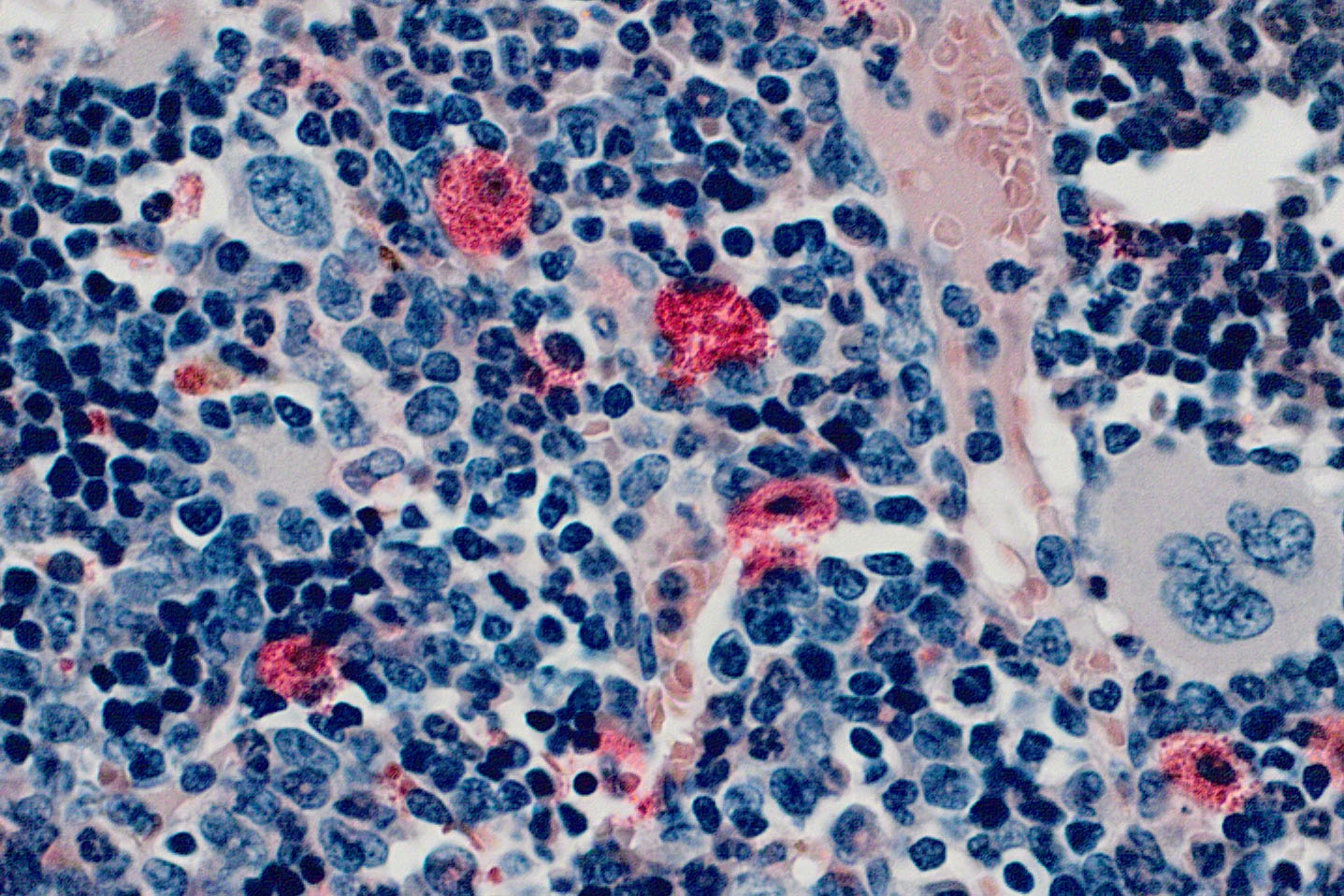
Immunologists and microbiologists from the University of Melbourne's Bio21 Molecular Science and Biotechnology Institute and the Peter Doherty Institute for Infection and Immunity - a joint venture between the University of Melbourne and Royal Melbourne Hospital - have led a study that defined a new cell type responsible for turning the attack back on the bacteria.

With this discovery, they have dissected the complex roles of legions of immune cells that interact to destroy the bacterium.

Legionella pneumophila is the bacterium that causes legionnaire's disease. The bacterium preferentially grows within pond amoebae, but can 'accidentally' cause serious lung infections in susceptible humans.

Insects transmit diseases when, probing for blood vessels, they inject saliva together with viral, bacterial, or parasitic pathogens into the skin of mammalian hosts. A study in mice published on June 16, 2016 in PLOS Pathogens suggests a critical role of mosquito saliva in the outcome of dengue virus infection.

In tropical regions, Aedes mosquitoes transmit dengue virus (DENV) as well as other closely related viruses such as Zika. DENV infects almost 400 million humans every year. There are four types of DENV. They are referred to as serotypes 1-4 because, following infection, individuals have distinct antibody profiles in their blood serum, resulting from specific immune responses to each of the four virus types.

According a new study, fetal exposure to commonly used SRI drugs may affect brain activity in newborns. The researchers suggest that the effects of drugs on fetal brain function should be assessed more carefully, Indications for preventive medication should be critically evaluated, and non-pharmacological interventions should be the first-line treatment for depression and anxiety during pregnancy.

"We found many changes in the brain activity of SRI-exposed newborns," says Professor Sampsa Vanhatalo, head of the BABA center at the Helsinki University Children's Hospital. "Since the changes did not correlate with the mother's psychiatric symptoms, we have assumed that they resulted as a side effect of maternal drug treatment."