

Banner
Synchrotron Could Shed Light On Exotic Dark Photons

There are many hypothetical particles proposed to explain dark matter and one idea to explore how...

The Pain Scale Is Broken But This May Fix It

Chronic pain is reported by over 20 percent of the global population but there is no scientific...
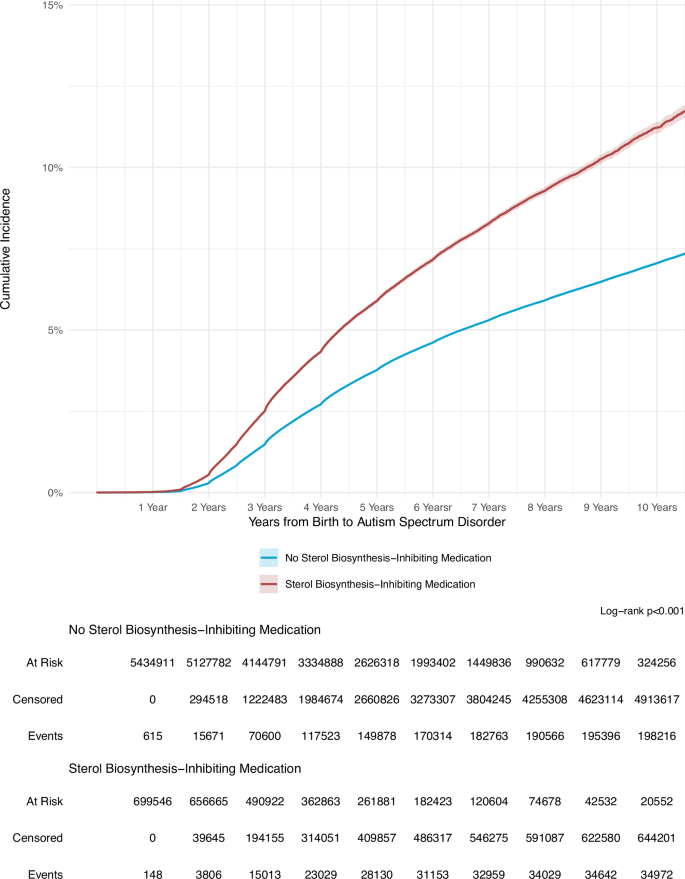
Study Links Antidepressants, Beta-blockers and Statins To Increased Autism Risk

An analysis of 6.14 million maternal-child health records  has linked prescription medications...

Pilot Study: Fibromyalgia Fatigue Improved By TENS Therapy

Fibromyalgia is the term for a poorly-understood condition where people experience pain and fatigue...

User picture.
News StaffRSS Feed of this column.

News Releases From All Over The World, Right To You... Read More »

Blogroll

EVANSTON, Ill. --- A new Northwestern University and UCLA study has found for the first time that young people who are high on the personality trait of neuroticism are highly likely to develop both anxiety and depression disorders.

"Neuroticism was an especially strong predictor of the particularly pernicious state of developing both anxiety and depressive disorders," said Richard Zinbarg, lead author of the study and professor of psychology in the Weinberg College of Arts and Sciences at Northwestern.

Earlier research has shown that neuroticism is associated with substance abuse, mood and anxiety disorders but hadn't tested whether these associations are comparable in strength.

URBANA, Ill. - Although agricultural weed Palmer amaranth (Amaranthus palmeri) primarily impacts southern U.S. states, new research shows it could soon spread further north and damage soybean yields in Illinois.

"We did a common garden study in southern, central, and northern Illinois to ask if different varieties of Palmer amaranth from the south complete their life cycle in all three locations and cause yield loss in soybean. The short answer is yes: there are no current climate limitations to any of the genotypes that we looked at," said University of Illinois weed ecologist Adam Davis. "This is a serious weed."

Women who take antidepressants during pregnancy do not appear to be at greater risk of giving birth to children with congenital heart defects compared to women who are not exposed to the drugs, according to new research from UCL.

An international consortium of 35 labs led by University of Groningen Professor of Marine Biology Jeanine Olsen published the genome of the seagrass Zostera marina in the scientific journal Nature on 27 January. Seagrasses are the only flowering plants to have returned to the sea, arguably the most extreme adaptation a terrestrial (or even freshwater) species can undergo. They provide a unique opportunity to study the adaptations involved. The Zostera marina genome is an exceptional resource that supports a wide range of research themes, from the adaptation of marine ecosystems under climate warming and its role in carbon burial to unravelling the mechanisms of salinity tolerance that may further inform the assisted breeding of crop plants.

The human brain works by dividing labor. Although our thinking organ excels in displaying amazing flexibility and plasticity, typically different areas of the brain take over different tasks. While words and language are mainly being processed in the left hemisphere, the right hemisphere is responsible for numerical reasoning.

According to previous findings, this division of labor originates from the fact that the first steps in the processing of letters and numbers are also located individually in the different hemispheres. But this is not the case, at least not when it comes to the visual processing of numbers.

