

Banner
Synchrotron Could Shed Light On Exotic Dark Photons

There are many hypothetical particles proposed to explain dark matter and one idea to explore how...

The Pain Scale Is Broken But This May Fix It

Chronic pain is reported by over 20 percent of the global population but there is no scientific...
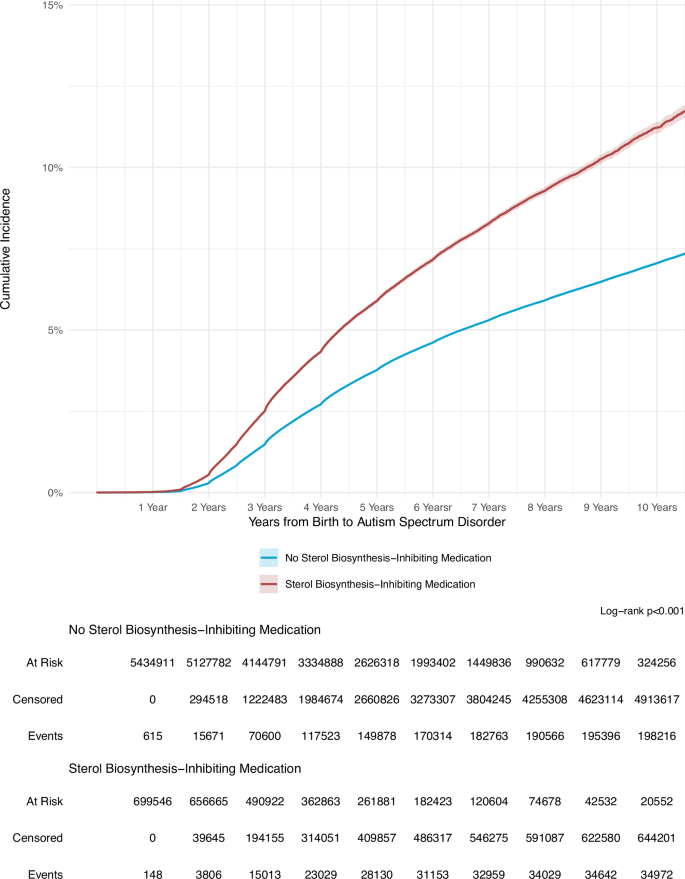
Study Links Antidepressants, Beta-blockers and Statins To Increased Autism Risk

An analysis of 6.14 million maternal-child health records  has linked prescription medications...

Pilot Study: Fibromyalgia Fatigue Improved By TENS Therapy

Fibromyalgia is the term for a poorly-understood condition where people experience pain and fatigue...

User picture.
News StaffRSS Feed of this column.

News Releases From All Over The World, Right To You... Read More »

Blogroll

Contrary to current clinical belief, regular caffeine consumption does not lead to extra heartbeats that have been linked to heart-or stroke-related morbidity and mortality.

The study, which measured the chronic consumption of caffeinated products over a 12-month period, rather than acute consumption, appears in the January 2016 issue of the Journal of the American Heart Association. The authors say it is the largest to date to have evaluated dietary patterns in relation to extra heartbeats.

The magnetic compass that birds use for orientation is affected by polarized light. This previously unknown phenomenon was discovered by researchers at Lund University in Sweden.

The discovery that the magnetic compass is affected by the polarization direction of light was made when trained zebra finches were trying to find food inside a maze. The birds were only able to use their magnetic compass when the direction of the polarized light was parallel to the magnetic field, not when perpendicular to the magnetic field.

Take a look at any food label and there's a good chance all design elements, from the color palette to the smallest detail, were meticulously chosen.

The brains of children who are obese function differently from those of children of healthy weight, and exhibit an "imbalance" between food-seeking and food-avoiding behaviors, researchers at Vanderbilt University Medical Center have found.

Diet and exercise may not be enough to restore normal weight or prevent overweight children from becoming obese, they conclude. It may be necessary to change their brain function.

In a paper published Thursday, Jan. 21, in the journal Heliyon, the researchers suggest that mindfulness, a practice used as a therapeutic technique to focus awareness, should be studied as a way to encourage healthy eating and weight loss in children.

It's long been known that excess iron is found in the brains of patients with Parkinson's disease (PD), an incurable neurodegenerative condition that affects motor function. The mechanism by which the iron wreaks damage on neurons involved in PD has not been clear. Research from the Andersen lab at the Buck Institute suggests that the damage stems from an impairment in the lysosome, the organelle that acts as a cellular recycling center for damaged proteins. Scientists report the impairment allows excess iron to escape into the neurons where it causes toxic oxidative stress. The research will be published online in The Journal of Neuroscience on Jan. 27, 2016.

Fatty liver is independently associated with subclinical heart failure in obese people, according to a new study published online in the journal Radiology. The findings add more support to the importance of dietary interventions in such patients, researchers said.

Non-alcoholic fatty liver disease (NAFLD), also known as hepatic steatosis, is the most common liver disease, with a prevalence of up to 30 percent in the general population and between 70 percent and 90 percent among persons who are obese or have type 2 diabetes. NAFLD is considered as a manifestation of the metabolic syndrome, a group of risk factors like high blood pressure, excess abdominal fat and unhealthy cholesterol levels that raise the risk of heart attacks, strokes and other health problems.

