

Banner
Synchrotron Could Shed Light On Exotic Dark Photons

There are many hypothetical particles proposed to explain dark matter and one idea to explore how...

The Pain Scale Is Broken But This May Fix It

Chronic pain is reported by over 20 percent of the global population but there is no scientific...
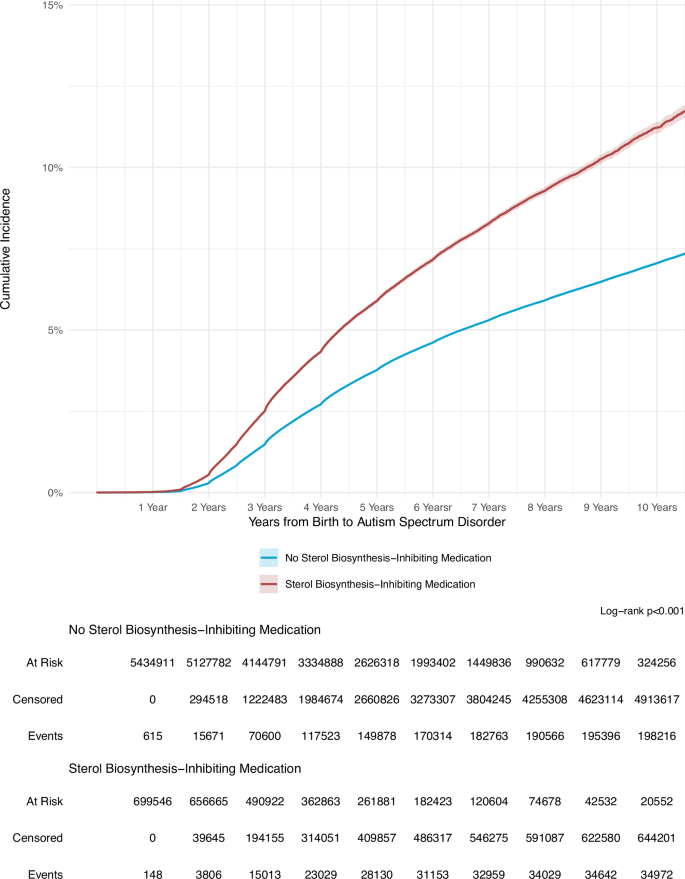
Study Links Antidepressants, Beta-blockers and Statins To Increased Autism Risk

An analysis of 6.14 million maternal-child health records  has linked prescription medications...

Pilot Study: Fibromyalgia Fatigue Improved By TENS Therapy

Fibromyalgia is the term for a poorly-understood condition where people experience pain and fatigue...

User picture.
News StaffRSS Feed of this column.

News Releases From All Over The World, Right To You... Read More »

Blogroll

A new study in rats may provide significant insights into the long-term impacts of over-consumption of sugary foods during adolescence.

The study shows that the enjoyment of such foods later in adulthood is reduced in those who over-consumed early in life. Investigators found that this decrease in reward relates to reduced activity in one of the key hubs of the brain's reward circuitry, called the nucleus accumbens. Such long-lasting alterations could have important implications for reward-related disorders such as substance abuse or eating disorders.

LA JOLLA--(January 19, 2016) Agricultural grafting dates back nearly 3,000 years. By trial and error, people from ancient China to ancient Greece realized that joining a cut branch from one plant onto the stalk of another could improve the quality of crops.

Now, researchers at the Salk Institute and Cambridge University have used this ancient practice, combined with modern genetic research, to show that grafted plants can share epigenetic traits, according to a new paper published the week of January 18, 2016 in the Proceedings of the National Academy of Sciences.

In results published on October 19, 2015 in the Journal of Lipid Research, a team of translational scientists at the Medical University of South Carolina (MUSC) report a new reason why non-alcoholic steatohepatitis (NASH) worsens in people who are obese.

The results may help prevent cirrhosis and liver cancer, according to co-senior authors Kenneth D. Chavin, M.D., PhD, a transplant surgeon in the MUSC Health Department of Surgery, and Lauren Ashley Cowart, PhD, Associate Professor of Biochemistry and Co-Director of the MUSC Center of Biomedical Research Excellence in Lipidomics and Pathobiology.

As musicians, figure skaters and anyone who takes a driving test will know, the anxiety of being watched can have a disastrous effect on your performance.

Now neuroscientists at the University of Sussex's Sackler Centre and Brighton and Sussex Medical School have identified the brain network system that causes us to stumble and stall just when we least want to.

Dr Michiko Yoshie and her colleagues Professor Hugo Critchley, Dr Neil Harrison, and Dr Yoko Nagai were able to pinpoint the brain area that causes the performance mishaps during an experiment using functional magnetic resonance neuroimaging (fMRI).

The quality of your writing will likely get better if you simply type slower, according to a recent study.

Researchers from the University of Waterloo asked study participants to type essays using both hands or with only one. Using text-analysis software, the team discovered that some aspects of essay writing, such as sophistication of vocabulary, improved when participants used only one hand to type.

"Typing can be too fluent or too fast, and can actually impair the writing process," said Srdan Medimorec, a PhD candidate in the Faculty of Arts at Waterloo and lead author of the study. "It seems that what we write is a product of the interactions between our thoughts and the tools we use to express them."

People of the Neolithic age around 6,000 years ago were closely connected both in life and death. This became evident in a detailed archaeological and anthropological of a collective grave containing 50 bodies near Burgos, northern Spain. In the pioneering study, researchers used a whole array of modern methods to examine the way of life in the region at that time.

