

Banner
Synchrotron Could Shed Light On Exotic Dark Photons

There are many hypothetical particles proposed to explain dark matter and one idea to explore how...

The Pain Scale Is Broken But This May Fix It

Chronic pain is reported by over 20 percent of the global population but there is no scientific...
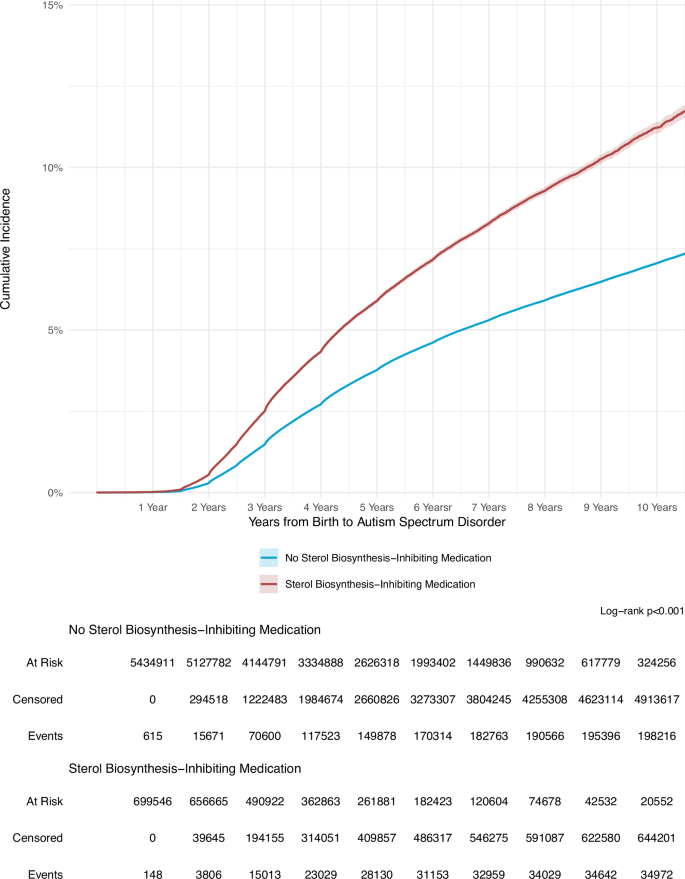
Study Links Antidepressants, Beta-blockers and Statins To Increased Autism Risk

An analysis of 6.14 million maternal-child health records  has linked prescription medications...

Pilot Study: Fibromyalgia Fatigue Improved By TENS Therapy

Fibromyalgia is the term for a poorly-understood condition where people experience pain and fatigue...

User picture.
News StaffRSS Feed of this column.

News Releases From All Over The World, Right To You... Read More »

Blogroll

MAYWOOD, Ill. - A study by researchers at Loyola University Medical Center and Loyola University Chicago is providing new evidence that the vast majority of babies who are born with severe brain damage are not the result of mismanaged deliveries.

Lead author Jonathan Muraskas, MD, and colleagues examined the medical records of 32 full-term infants who developed severe cerebral palsy and mental retardation. The records indicate that this brain damage occurred after the babies were born, and despite proper resuscitation.

The study is published in the Journal of Perinatology

Pearls have adorned the necklines of women throughout history, but some evidence suggests that the gems' future could be uncertain. Increasingly acidic seawater causes oyster shells to weaken, which doesn't bode well for the pearls forming within. But, as scientists report in ACS' journal Environmental Science & Technology, the mollusks might be more resilient to changing conditions than previously thought.

Genes play a crucial role over time although environmental factors matter most in the short term, according to a major study into social anxiety and avoidant personality disorders from the Norwegian Institute of Public Health.

"The results show a surprisingly high heritability of the long-term risk of developing social anxiety," says Fartein Ask Torvik, a researcher in the Department of Genetics, Environment and Mental Health at the institute.

It has long been known that both genetics and the environment play a role in the development of social anxiety, but researchers have been previously unaware of the strong effect of genetic factors over time.

Twin research

A bacterium found in the remote Gobi Desert has shown talents for using the sun's light as energy, and now researchers reveal that it can be found in surprisingly many different places, including water treatment plants. The bacterium may become a valuable partner for researchers working with environmentally friendly biofuels.

Photosynthesis is one of the most fundamental biological processes on Earth. Normally photosynthesis is performed by plants, but a few bacterial phyla also have the talent.

A new method to determine if bacteria are susceptible to antibiotics within a few hours could slow the appearance of drug resistance and allow doctors to more rapidly identify the appropriate treatment for patients with life threatening bacterial infections.

According to the Centers for Disease Control and Prevention, antibiotic resistance causes two million illnesses and 23,000 deaths annually, costing the U.S. economy approximately $20-billion a year in direct health care costs and nearly eight million extra days in the hospital. Indeed, bacteria are evolving resistance to antibiotics much more quickly than global biomedical research efforts are delivering new drugs to market, leading to the appearance of infections caused by bacteria that are now resistant to every therapy.

In the early stages of life, peer play is an important factor in the developmental growth of a child. It is during play and children's interactions with peers when many essential and vital skills are learned, from social connections to emotional, language, and cognitive abilities.

Associate Professor of Psychology at the University of Miami (UM) College of Arts & Sciences Dr. Rebecca J. Bulotsky-Shearer is fully aware of how interactive play is necessary for a child's growth; her research centers on social and emotional development in children - especially children living in poverty or adverse life circumstances.


