

Banner
Synchrotron Could Shed Light On Exotic Dark Photons

There are many hypothetical particles proposed to explain dark matter and one idea to explore how...

The Pain Scale Is Broken But This May Fix It

Chronic pain is reported by over 20 percent of the global population but there is no scientific...
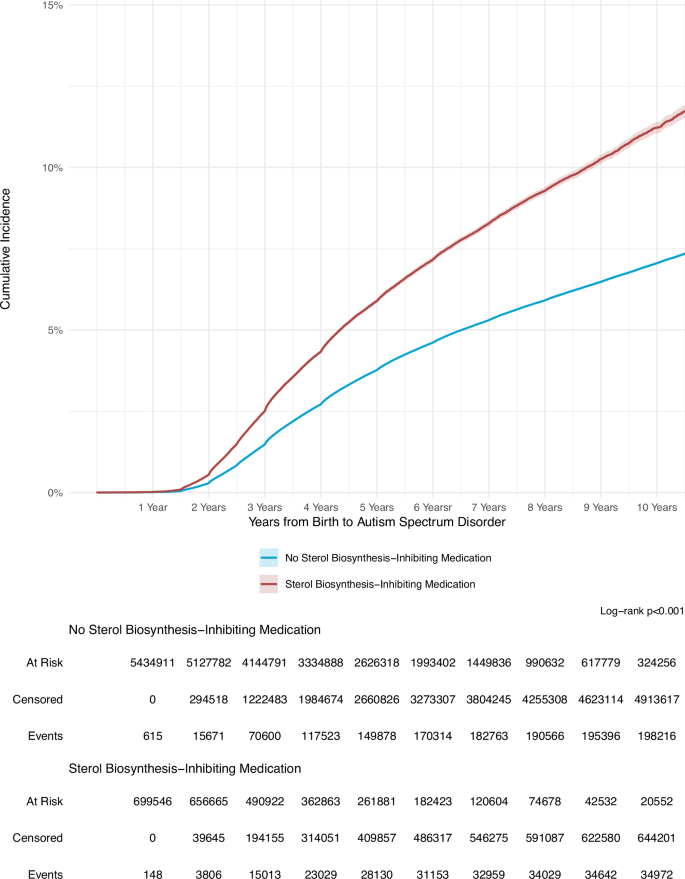
Study Links Antidepressants, Beta-blockers and Statins To Increased Autism Risk

An analysis of 6.14 million maternal-child health records  has linked prescription medications...

Pilot Study: Fibromyalgia Fatigue Improved By TENS Therapy

Fibromyalgia is the term for a poorly-understood condition where people experience pain and fatigue...

User picture.
News StaffRSS Feed of this column.

News Releases From All Over The World, Right To You... Read More »

Blogroll

CAMBRIDGE, MA - A new brain imaging study from MIT and Harvard Medical School may lead to a screen that could identify children at high risk of developing depression later in life.

In the study, the researchers found distinctive brain differences in children known to be at high risk because of family history of depression. The finding suggests that this type of scan could be used to identify children whose risk was previously unknown, allowing them to undergo treatment before developing depression, says John Gabrieli, the Grover M. Hermann Professor in Health Sciences and Technology and a professor of brain and cognitive sciences at MIT.

How much alcohol you drink and how hard it affects you are rooted in your DNA, specifically, a “lazy” variant of the Alcohol Dehydrogenase 1B (ADH1B) gene, known to regulate the activity of a key group of enzymes.

When we drink, the alcohol rushes into our bloodstream, where the alcohol dehydrogenase enzymes metabolize, or break down, the ethanol into acetaldehyde. If this happens quickly, lots of acetaldehyde accumulates in a short amount of time, which can lead to adverse effects such as flushing, nausea, and headaches. Conversely, if the ethanol is metabolized slowly, the alcohol remains intact in the blood for longer periods, prolonging its more pleasant, euphoric effects.

Reduced meat consumption might not lower greenhouse gas emissions from one of the world’s biggest beef producing regions, new research has found.

The finding may seem incongruous, as intensive agriculture is responsible for such a large proportion of global greenhouse gas emissions.

According to research by University of Edinburgh, Scotland’s Rural College (SRUC) and Brazilian Agricultural Research Corporation (Embrapa), reducing beef production in the Brazilian Cerrado could actually increase global greenhouse gas emissions. The findings were published this week in the journal Nature Climate Change.

It may be possible to assess the risk of developing dementia by analyzing information gathered during routine visits to the family doctor, according to research published in the open access journal BMC Medicine.

The time is right for a broad range of stakeholders to push for a health care information economy founded on the basic principle that patients should have control over their data, Boston Children's Hospital informatics researchers say in a Perspective article in The New England Journal of Medicine. The technologies, demand and benefits are there, they note; what remains are the incentives and will to make it happen.

NEW YORK, NY (January 20, 2016)--A multicenter research team has identified a biomarker that predicts which stage II colon cancer patients may benefit from chemotherapy after surgery to prevent a recurrence of their disease.

The study was published today in the online edition of the New England Journal of Medicine.

The majority of patients with stage II colon cancer--cancer that has grown into or through the outer layer of the colon but has not spread to lymph nodes or distant organs--are cured by surgery alone. However, about 15 to 20 percent of these patients eventually relapse and die of metastatic disease.


