

Banner
Synchrotron Could Shed Light On Exotic Dark Photons

There are many hypothetical particles proposed to explain dark matter and one idea to explore how...

The Pain Scale Is Broken But This May Fix It

Chronic pain is reported by over 20 percent of the global population but there is no scientific...
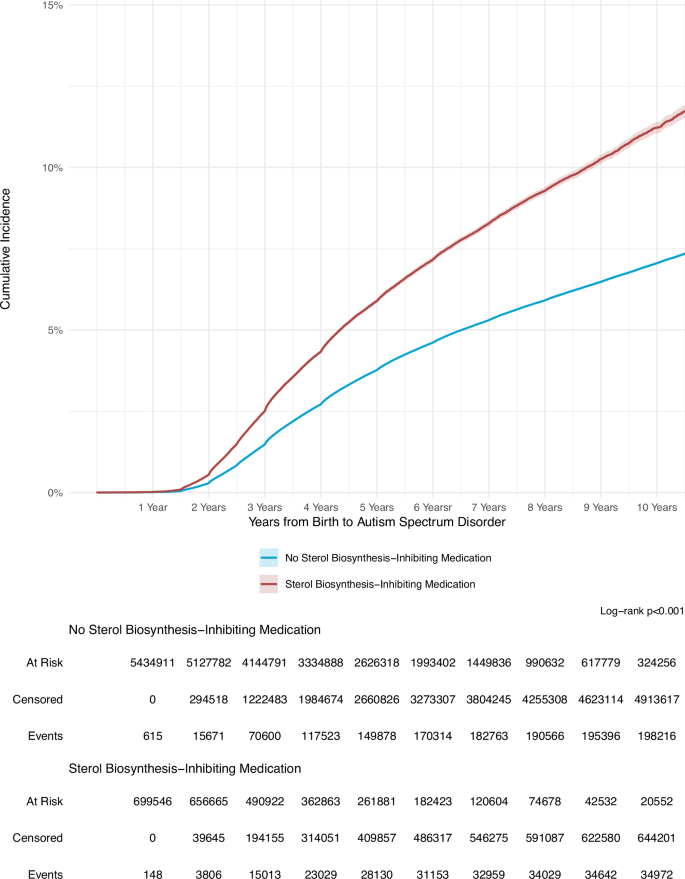
Study Links Antidepressants, Beta-blockers and Statins To Increased Autism Risk

An analysis of 6.14 million maternal-child health records  has linked prescription medications...

Pilot Study: Fibromyalgia Fatigue Improved By TENS Therapy

Fibromyalgia is the term for a poorly-understood condition where people experience pain and fatigue...

User picture.
News StaffRSS Feed of this column.

News Releases From All Over The World, Right To You... Read More »

Blogroll

Philadelphia, PA, January 22, 2016 - The Trans-Pacific Partnership (TPP) is a multi-national trade agreement now being considered by 12 countries. In an insightful commentary in Research in Social and Administrative Pharmacy (RSAP), the ramifications of major components of the agreement are discussed, especially those potentially impacting the worldwide pharmaceutical industry.

New findings expose how mitochondria might instigate lupus-like inflammation.

Mitochondria are the power stations in living cells, but they also have many other sidelines. The byproducts of their respiration and energy conversion, for instance, include molecules eager to participate in chemical changes. These reactive oxygen species are two-edged swords that can harm the body or protect it.

For reasons yet unknown, certain white blood cells in lupus and in other chronic inflammatory diseases produce elevated amounts of mitochondrial reactive oxygen species.

Washington, DC (January 21, 2016) -- The health of blood cells' energy-producing mitochondria may predict a person's risk of developing chronic kidney disease (CKD), according to a study appearing in an upcoming issue of the Journal of the American Society of Nephrology (JASN). The findings could lead to improvements in the prevention and treatment of CKD.

In the United States, approximately 26 million people, or 13% of US adults, have CKD. While there are a variety of causes of CKD, many cases involve dysfunction of kidney cells' mitochondria, or the cellular components that produce energy that's critical for cells to survive.

Should unqualified practitioners be trained to deliver basic patient care to alleviate India's doctor shortage, asks a special report published by The BMJ today?

Unqualified practitioners posing as qualified doctors, and who administer potentially dangerous treatments to patients -- so called quacks -- are numerous throughout India, particularly in rural areas, writes Bangalore journalist Priyanka Pulla.

Although punishment for quackery can be up to seven years in prison, officials from state medical councils say state governments and police aren't taking action to reign in the problem.

Researchers at the Centro Nacional de Investigaciones Cardiovasculares Carlos III (CNIC) have identified how two proteins control the growth of the heart and its adaptation to high blood pressure (hypertension). Lead investigator Dr. Guadalupe Sabio explains that the results, described in Nature Communications, not only increase our understanding of the mechanisms used by cardiac cells to grow and adapt, but could also help in the design of new strategies to treat heart failure caused by excessive growth of the heart. The study, carried out by Dr. Sabio and CNIC investigator Bárbara Gonzalez-Terán, shows for the first time that two proteins, p38 gamma and p38 delta, control heart growth.

This animal has done everything right. It has been around for 300 million years, outlived the dinosaurs and survived the catastrophic meteorite impact, warm phases and glacial periods. Even today, it continues to populate the sea at depths where it eats carrion and hunts prey. The Atlantic hagfish (Myxine glutinosa) is not really attractive at first glance. In fact, most people probably consider it quite disgusting. Nevertheless, the hagfish - or rather its slime - has caught the attention of a group of ETH researchers at the Laboratory of Food Process Engineering of Professor Erich Windhab.

