Banner
Synchrotron Could Shed Light On Exotic Dark Photons

There are many hypothetical particles proposed to explain dark matter and one idea to explore how...

The Pain Scale Is Broken But This May Fix It

Chronic pain is reported by over 20 percent of the global population but there is no scientific...
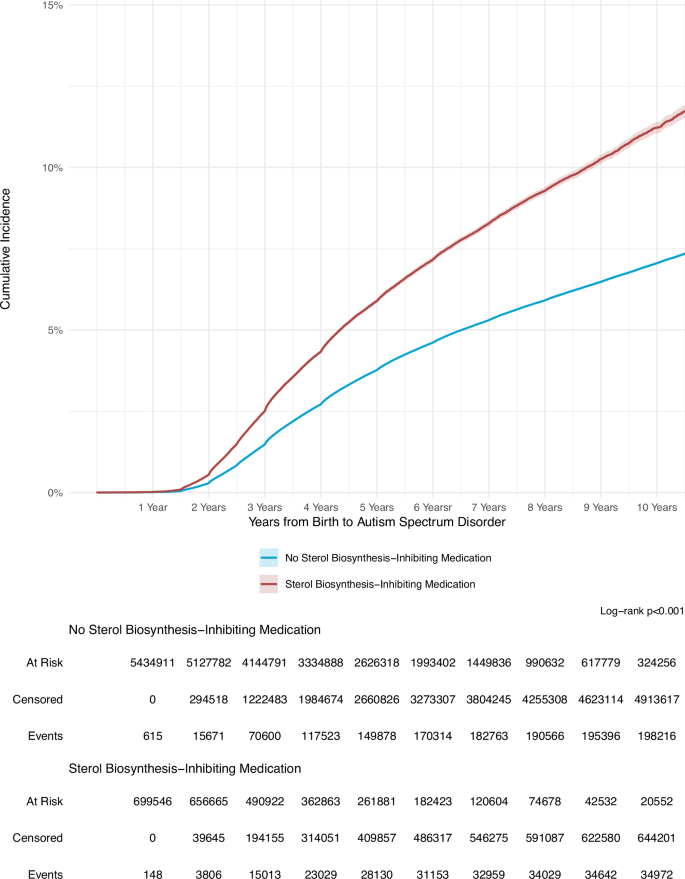
Study Links Antidepressants, Beta-blockers and Statins To Increased Autism Risk

An analysis of 6.14 million maternal-child health records  has linked prescription medications...

Pilot Study: Fibromyalgia Fatigue Improved By TENS Therapy

Fibromyalgia is the term for a poorly-understood condition where people experience pain and fatigue...

User picture.
News StaffRSS Feed of this column.

News Releases From All Over The World, Right To You... Read More »

Blogroll

Quantum computing will change lives, society and the economy and a working system is expected to be developed by 2020 according to a leading figure in the world of quantum computing, who will talk tomorrow Jan. 21, 2016 at the World Economic Forum (WEF) in Davos, Switzerland.

Professor O'Brien, Director of the Centre for Quantum Photonics at the University of Bristol and Visiting Fellow at Stanford University, is part of a European Research Council (ERC) Ideas Lab delegation who have been invited to talk at the annual meeting to industrial and political leaders of the world, including Prime Minister David Cameron. The session will discuss the future of computing and how new fields of computer sciences are paving the way for the next digital revolution.

Research published this month in the Proceedings of the National Academy of Sciences of the United States of America (PNAS) introduced a new quantum phenomenon which the authors called the "quantum pigeonhole principle." Prior to this breakthrough, the pigeonhole principle was a basic tenet of conventional wisdom. It states that if you put three pigeons in two pigeonholes then at least two of the pigeons must end up in the same hole. It is an obvious yet fundamental principle of nature as it captures the very essence of counting. The research, conducted by members of Chapman University's Institute for Quantum Studies (IQS), violates this principle.

Nearly 60 percent of Americans, if they buy a new handgun, are willing to purchase a smart gun -- operable in the hands of an authorized user -- which is not really a surprise after the entertainment news program "60 Minutes" featured them in November. The claim is that smart guns will prevent accidents, suicides and stolen guns being used in crime because of the biometric technology involved. 

And the public supports them, according to the Johns Hopkins Bloomberg School of Public Health, even though the public doesn't know they don't actually work.

In the world of American football, players have gotten big. Really big. It's one of the few sports where players actually lose a lot of weight after they retire. Wide receivers today are commonly the size of linebackers 30 years ago.


The perception is this obesity escalation filters down to college and high school as well, because of a size arms race, but new research suggests that being bigger doesn't mean being better -- and certainly not healthier.

Black Death, mid-fourteenth century plague, is undoubtedly the most famous historical pandemic. Within only five years it killed 30-50% of the European population. Unfortunately it didn't stop there. Plague resurged throughout Europe leading to continued high mortality and social unrest over the next three centuries.

With its nearly worldwide distribution today, it's surprising that the once omnipresent threat of plague is all but absent in Western Europe. Plague's abrupt disappearance from Europe leaves us with many unanswered questions about the disease's history. Where did the outbreaks begin? Where was plague hiding between outbreaks? What would cause a resurgence of the dreaded plague?

HOUSTON - (Jan. 22, 2016) - Amid all the fancy equipment found in a typical nanomaterials lab, one of the most useful may turn out to be the humble microwave oven.

A standard kitchen microwave proved effective as part of a two-step process invented at Rice and Swansea universities to clean carbon nanotubes.

Basic nanotubes are good for many things, like forming into microelectronic components or electrically conductive fibers and composites; for more sensitive uses like drug delivery and solar panels, they need to be as pristine as possible.