

Banner
Synchrotron Could Shed Light On Exotic Dark Photons

There are many hypothetical particles proposed to explain dark matter and one idea to explore how...

The Pain Scale Is Broken But This May Fix It

Chronic pain is reported by over 20 percent of the global population but there is no scientific...
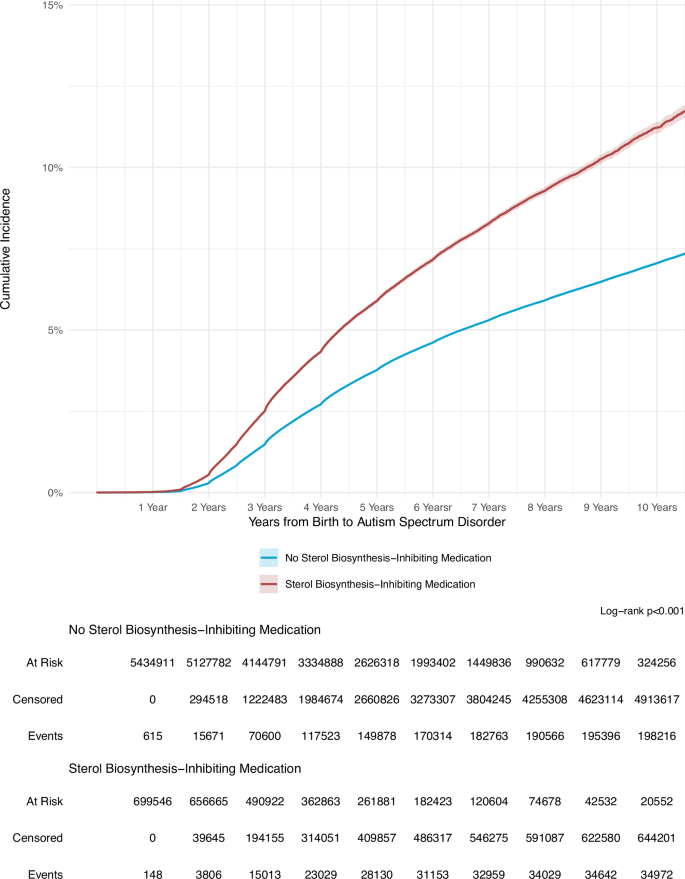
Study Links Antidepressants, Beta-blockers and Statins To Increased Autism Risk

An analysis of 6.14 million maternal-child health records  has linked prescription medications...

Pilot Study: Fibromyalgia Fatigue Improved By TENS Therapy

Fibromyalgia is the term for a poorly-understood condition where people experience pain and fatigue...

User picture.
News StaffRSS Feed of this column.

News Releases From All Over The World, Right To You... Read More »

Blogroll

New research has revealed how disease-associated changes in two interlinked networks within the brain may play a key role in the development of the symptoms of dementia.

The University of Exeter Medical School led two studies, each of which moves us a step closer to understanding the onset of dementia, and potentially to paving the way for future therapies. Both studies, part-funded by Alzheimer's Research UK, are published in the Journal of Neuroscience and involved collaboration with the University of Bristol.

Both studies shed light on how two parts of the brain's 'GPS' navigation system malfunctions in dementia, and point to likely underpinning causes for loss of orientation that is commonly experienced by people living with the condition.

Now that natural gas has signaled the end of the biggest source of greenhouse gas emissions, coal power plants, researchers are turning to other ways to optimize so that efforts to make energy too expensive for poor people won't come into effect.

One such effort is to add alum to chicken litter, which reduces ammonia and greenhouse gas concentrations and emissions, specifically carbon dioxide, in poultry houses. 

Acid-based chemical compounds, alum and PLT - another amendment - that are added to the bedding material in poultry houses prior to the birds entering have proven to be a very effective tool in controlling ammonia emissions.

Montreal, January 12, 2016 -- If your toddler is a Forgetful Jones, you might want to help boost his or her brainpower sooner rather than later. New research shows that preschoolers who score lower on a memory task are likely to score higher on a dropout risk scale at the age of 12.

"Identifying students who are at risk of eventually dropping out of high school is an important step in preventing this social problem," says Caroline Fitzpatrick, first author of a study recently published in Intelligence, and a researcher at Concordia's PERFORM Centre.

She and the study's other researchers, who are affiliated with the Université Sainte-Anne and Université de Montréal, have suggestions for how parents can help kids improve their memory.

Oxygen is indispensable to animal and plant life, but its presence in the wrong places can feed a fire and cause iron to rust.

In the fabrication of solid state lighting devices, scientists are learning, oxygen also plays a two-edged role. While oxygen can impede the effectiveness of gallium nitride (GaN), an enabling material for LEDs, small amounts of oxygen in some cases are needed to enhance the devices' optical properties. GaN doped with europium (Eu), which could provide the red color in LEDs and other displays, is one such case.

Among adults with Clostridium difficile infection that is recurrent or not responsive to treatment, the use of frozen compared with fresh fecal microbiota transplantation (FMT) did not result in a significantly lower rate of resolution of diarrhea, indicating that frozen FMT may be a reasonable treatment option for these patients. 

A songbirds' vocal muscles work like those of human speakers and singers, finds a new study. The research on Bengalese finches showed that each of their vocal muscles can change its function to help produce different parameters of sounds, in a manner similar to that of a trained opera singer.

Pitch, for example, is important to songbird vocalization, but there is no single muscle devoted to controlling it. They don't just contract one muscle to change pitch, they have to activate a lot of different muscles in concert, and these changes are different for different vocalizations. Depending on what syllable the bird is singing, a particular muscle might increase pitch or decrease pitch.


