Banner
Synchrotron Could Shed Light On Exotic Dark Photons

There are many hypothetical particles proposed to explain dark matter and one idea to explore how...

The Pain Scale Is Broken But This May Fix It

Chronic pain is reported by over 20 percent of the global population but there is no scientific...
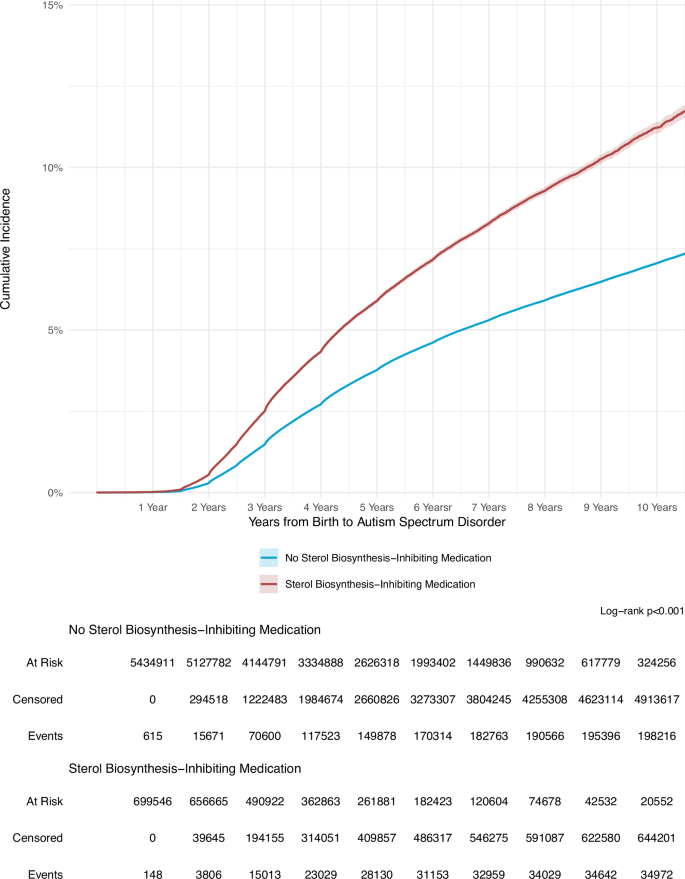
Study Links Antidepressants, Beta-blockers and Statins To Increased Autism Risk

An analysis of 6.14 million maternal-child health records  has linked prescription medications...

Pilot Study: Fibromyalgia Fatigue Improved By TENS Therapy

Fibromyalgia is the term for a poorly-understood condition where people experience pain and fatigue...

User picture.
News StaffRSS Feed of this column.

News Releases From All Over The World, Right To You... Read More »

Blogroll
Florida's citrus industry has been struggling with citrus greening, also known as Huanglongbing (HLB), a disease caused by a bacterium called Candidatus Liberibacter asiaticus (CLas) that destroys fruit production and eventually kills the tree. An effective cure using antibiotics and breeding has not happened, and crop production is declining steadily.

A group of researchers are using lasers on citrus leaves. When used with the right settings, could greatly improve the success of antibiotic treatments currently being looked into as a way to stop the deadliest plant disease in Florida's history. 

Clouds play a bigger role in the melting of the Greenland ice sheet than was previously assumed. Compared to clear skies, clouds enhance the meltwater runoff by a third. Those are the findings of an international study that was coordinated by KU Leuven and published in Nature Communications.

Greenland's ice sheet is the second largest ice mass in the world - the largest is Antarctica. The ice sheet is losing mass at a high speed and increasingly contributes to the sea level rise on our planet. The role of clouds in this loss of snow and ice has never been calculated before, nor can it be deduced from theoretical climate models. For lack of observations, the different models do not agree on the importance of clouds over the ice sheet.

CAMBRIDGE, MA -- Cell survival depends on having a plentiful and balanced pool of the four chemical building blocks that make up DNA -- the deoxyribonucleosides deoxyadenosine, deoxyguanosine, deoxycytidine, and thymidine, often abbreviated as A, G, C, and T. However, if too many of these components pile up, or if their usual ratio is disrupted, that can be deadly for the cell.

A new study from MIT chemists sheds light on a longstanding puzzle: how a single enzyme known as ribonucleotide reductase (RNR) generates all four of these building blocks and maintains the correct balance among them.

The first international Global Farm Platform conference hosted by the University of Bristol this week [12 to 15 January] will highlight the benefits of utilising pasture and robust cows over high-yield, intensive systems.

Research findings from data shared between Vet School researcher, Professor Michael Lee and farmer, Neil Darwent, Director of the UK's Free Range Dairy Community Interest Company (CIC), will form part of a keynote address to be given by Professor Lee tomorrow [Wednesday 13 January].

The Global Farm Platform is a multidisciplinary group of scientists working under the Worldwide Universities Network (WUN) to find solutions to the major challenges facing global food security in the twenty first century.

MIAMI - A new study found that a major ocean current in the Gulf of Mexico plays an important role in sustaining Florida red tide blooms. The University of Miami (UM) Rosenstiel School of Marine and Atmospheric Science research team suggest that the position of the Loop Current can serve as an indicator of whether the algal bloom will be sustained, and provide warning of possible hazardous red tide conditions in coastal areas.

Florida red tide is a harmful algal bloom produced by the dinoflagellate Karenia brevis that causes respiratory impairment in humans and marine life, and is responsible for shellfish poisoning.

MADISON, Wis. -- The Greenland Ice Sheet is the second largest ice sheet in the world and it's melting rapidly, likely driving almost a third of global sea level rise.

A new study shows clouds are playing a larger role in that process than scientists previously believed.

"Over the next 80 years, we could be dealing with another foot of sea level rise around the world," says Tristan L'Ecuyer, professor in the Department of Atmospheric and Oceanic Sciences at the University of Wisconsin-Madison and co-author of the study. "Parts of Miami and New York City are less than two feet above sea level; another foot of sea level rise and suddenly you have water in the city."