

Banner
Synchrotron Could Shed Light On Exotic Dark Photons

There are many hypothetical particles proposed to explain dark matter and one idea to explore how...

The Pain Scale Is Broken But This May Fix It

Chronic pain is reported by over 20 percent of the global population but there is no scientific...
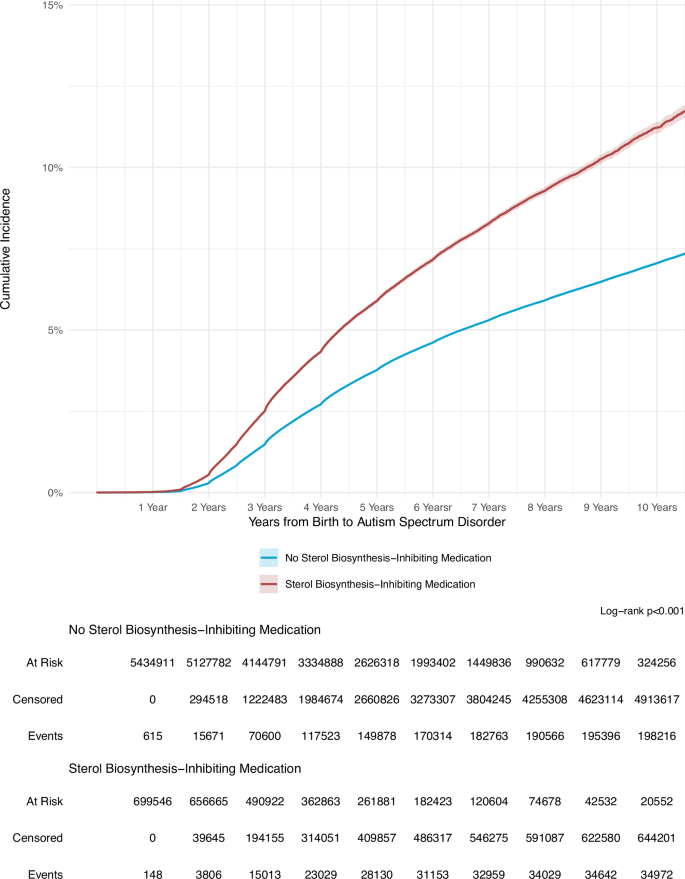
Study Links Antidepressants, Beta-blockers and Statins To Increased Autism Risk

An analysis of 6.14 million maternal-child health records  has linked prescription medications...

Pilot Study: Fibromyalgia Fatigue Improved By TENS Therapy

Fibromyalgia is the term for a poorly-understood condition where people experience pain and fatigue...

User picture.
News StaffRSS Feed of this column.

News Releases From All Over The World, Right To You... Read More »

Blogroll

There are certain universal patterns in nature that hold true, regardless of objects' size, species, or surroundings. Take, for instance, the branching fractals seen in both tree limbs and blood vessels, or the surprisingly similar spirals in mollusks and cabbage.

Now scientists at MIT and Cambridge University have identified an unexpected shared pattern in the collective movement of bacteria and electrons: As billions of bacteria stream through a microfluidic lattice, they synchronize and swim in patterns similar to those of electrons orbiting around atomic nuclei in a magnetic material.

While there is general consensus that the ability to imagine a never-before-seen object or concept is a unique and distinctive human trait, there is little that we know about the neurological mechanism behind it. Neuroscientist Dr. Andrey Vyshedskiy proposes a straightforward experiment that could test whether the ability to imagine a novel object involves the synchronization of groups of neurons, known as neuronal ensembles. Since the process involves mentally combining familiar images, scenes or concepts, Dr. Vyshedskiy proposes calling this process 'mental synthesis.' His research idea is published in the open-access Research Idea and Outcomes (RIO) Journal.

A new study reveals that drug shortages affecting emergency care have skyrocketed in the United States in recent years. While the prevalence of such shortages fell from 2002 to 2007; the number of shortages sharply increased by 373% (from 26 to 123) from 2008 to 2014.

These medications are approved, but for various reasons manufacturers cannot meet demands or have stopped making the drugs.

"Many of those medications are for life-threatening conditions, and for some drugs no substitute is available," said Dr. Jess Pines, senior author of the Academic Emergency Medicine study. "This means that in some cases, emergency department physicians may not have the medications they need to help people who are in serious need of them."

Injury and degeneration of fibro-cartilaginous tissues, such as the knee meniscus and the intervertebral disc, have significant socioeconomic and quality-of-life costs. But the development of effective treatment strategies to address pathologies in these load-bearing tissues has been hindered by a lack of understanding of the relationships between their structure and their function.

Now, a team of researchers from the University of Delaware and the University of Pennsylvania has shed new light on this issue, laying the foundation for better treatment of injuries such as meniscus tears as well as new therapies for osteoarthritis and age-related degeneration.

Oxygen is crucial for the existence of animals on Earth. But, an increase in oxygen did not apparently lead to the rise of the first animals. New research shows that 1.4 billion years ago there was enough oxygen for animals - and yet over 800 million years went by before the first animals appeared on Earth.

Animals evolved by about 600 million years ago, which was late in Earth's history. The late evolution of animals, and the fact that oxygen is central for animal respiration, has led to the widely promoted idea that animal evolution corresponded with a late a rise in atmospheric oxygen concentrations.

It may seem strange to have a segment of the population, once confined to wealthy elites on the coasts but now growing nationwide, which believe that a particular process for food is not only healthier, but materially, culturally and ethically important. Yet the ultra-conservatives who make up the organic food customers, corporations, trade groups and lobbyists are not a modern invention. The engine was going to ruin agriculture too, and resistance to modern science and technology goes back at least 7,000 years.

Then, as now, the difference was that staying in the past would be 'better' for health.

