

Banner
Synchrotron Could Shed Light On Exotic Dark Photons

There are many hypothetical particles proposed to explain dark matter and one idea to explore how...

The Pain Scale Is Broken But This May Fix It

Chronic pain is reported by over 20 percent of the global population but there is no scientific...
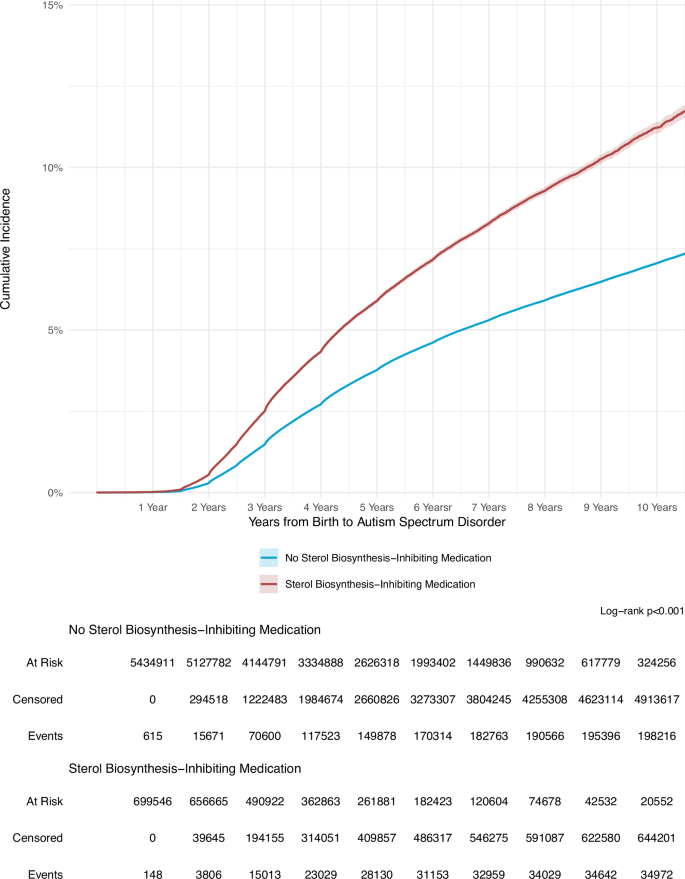
Study Links Antidepressants, Beta-blockers and Statins To Increased Autism Risk

An analysis of 6.14 million maternal-child health records  has linked prescription medications...

Pilot Study: Fibromyalgia Fatigue Improved By TENS Therapy

Fibromyalgia is the term for a poorly-understood condition where people experience pain and fatigue...

User picture.
News StaffRSS Feed of this column.

News Releases From All Over The World, Right To You... Read More »

Blogroll

Consider the engineering marvel that is your foot. Be it hairy or homely, without its solid support you'd be hard-pressed to walk or jump normally.

Now, researchers at the Stanford University School of Medicine and the HudsonAlpha Institute for Biotechnology in Huntsville, Alabama, have identified a change in gene expression between humans and primates that may have helped give us this edge when it comes to walking upright. And they did it by studying a tiny fish called the threespine stickleback that has evolved radically different skeletal structures to match environments around the world.

EUGENE, Ore. -- Jan. 7, 2016 -- All it took was one mutation more than 600 million years ago. With that random act, a new protein function was born that helped our single-celled ancestor transition into an organized multicellular organism.

That's the scenario -- done with some molecular time travel -- that emerged from basic research in the lab of University of Oregon biochemist Ken Prehoda.

The mutation and a change it brought in protein interactions are detailed in eLife, an open-access journal launched in 2012 with support of the Howard Hughes Medical Institute, the Max Planck Society and the Wellcome Trust.

A group of protein kinases have been found to play an important role in embryo development and may even be a potential cancer drug target, says research led by Queen Mary University of London (QMUL) and the Francis Crick Institute, UK.

The study, published in Cell Reports, is the first description of knockouts of a whole family of protein kinases (PKN1-3) in mice and reveals roles in congenital birth defects such as spina bifida.

The team knocked out a whole kinase family but, unusually, only one member (PKN2) appeared to be important in development and warrants renewed attention.

DURHAM, N.C. -- Duke University researchers have figured out how a developmental disease called microcephaly produces a much smaller brain than normal: Some cells are simply too slow as they proceed through the neuron production process.

Published online Jan. 7 in the journal Neuron, the findings provide not only a new mechanistic explanation for microcephaly, but they could also aid understanding of autism or other neurodevelopmental disorders that are thought to arise from disruptions in the proper balance of neurons in the brain.

If you are allergic, you might need to thank a Neanderthal. 

When modern humans began interbreeding with Neanderthals tens of thousands of years ago, the exchange left humans with gene variations that increased our ability to ward off infection and left some people more prone to allergies.

So if you like your immune system, you might need to thank a Neanderthal for that also.

Take any religion that claims to be about peace and it will have a violent history. And while Islam is the most violent religion claiming to be peaceful today, Christians commit plenty of hateful acts - and Buddhists have extremists in their ranks as well.



