

Banner
Synchrotron Could Shed Light On Exotic Dark Photons

There are many hypothetical particles proposed to explain dark matter and one idea to explore how...

The Pain Scale Is Broken But This May Fix It

Chronic pain is reported by over 20 percent of the global population but there is no scientific...
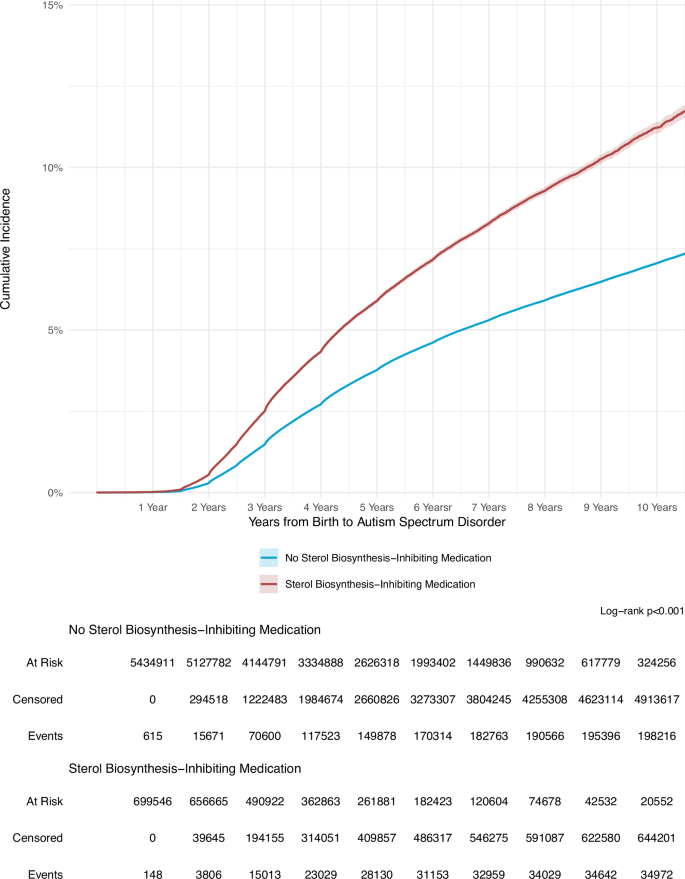
Study Links Antidepressants, Beta-blockers and Statins To Increased Autism Risk

An analysis of 6.14 million maternal-child health records  has linked prescription medications...

Pilot Study: Fibromyalgia Fatigue Improved By TENS Therapy

Fibromyalgia is the term for a poorly-understood condition where people experience pain and fatigue...

User picture.
News StaffRSS Feed of this column.

News Releases From All Over The World, Right To You... Read More »

Blogroll

Claims that sitting is bad for your health were all the rage last year - epidemiological curve matching claimed that you were in real peril if you didn't get up once an hour, while waitresses without epidemiologists surveying them disagreed that a desk job was more harmful.

It may be that emails get all of the mainstream media Scare Journalism in 2016. A new presentatin at the British Psychological Society's Division of Occupational Psychology annual conference in Nottingham by Dr Richard MacKinnon from the Future Work Centre suggests that it's not just the volume of emails that causes stress; it's our well-intentioned habits and our need to feel in control that backfires on us.

You may not think of men over 60 when you think of sex, but it happens. A lot. And when it can't happen the usual way, they are willing to pay for it - and they pay more and use less protection if they are a regular client.

Obviously the assumption, or documented medical fact, is that both parties are disease-free, but it still involves a certain amount of trust - and a certain amount more money.

The new survey in the American Journal of Men's Health asked about the habits of American men between the ages of 60 and 84 who pay for sex and found that the older they were, the more frequently they paid for sex and the more likely they were to have experienced unprotected sexual intercourse multiple times with their favorite commercial sex providers. 

Men in typically female-dominated occupations tend to value the social aspects of their career over financial rewards.

These are the findings of a study by Dr Kazia Solowiej, Dr Catharine Ross, and Professor Jan Francis-Smythe of the University of Worcester and Dr Catherine Steele of the University of Leicester. The study is presented today, Wednesday 6 January 2016, at the British Psychological Society's Division of Occupational Psychology annual conference in East Midlands Conference Centre, Nottingham.

Our skin is covered in millions of bacteria and most of them help keep us healthy. However, for patients with lymphoma, it may be a rather different story, as new research from the University of Copenhagen shows that toxins in the staphylococcus bacteria help cancer cells gain control over healthy cells. The Danish Cancer Society's Break Cancer Collection contributed DKK 3 million (US$0.5 million) to the research project.

When government pays for your health care, they get the right to tell you what behavior can be detrimental to your health - but before that they will pay for medication to help them stop smoking.

But only 10 percent are doing so. Why?

 Smoking is the leading cause of preventable disease in the United States and it puts a particularly heavy burden on Medicaid. One-third of US adults with Medicaid coverage currently smoke, a rate that is roughly twice as high as that for the general public.

Chickens that chicken out in unfamiliar surroundings may shed light on anxiety in humans, according to research published in the January issue of the journal GENETICS, a publication of the Genetics Society of America.

Domestic chickens are much less anxious than their wild cousins, the red junglefowl. The new research identifies genes that contribute to this difference and reveals that several of the genes influence similar behaviors in mice. The authors argue that these results, combined with evidence from studies in humans, demonstrate the potential of the chicken to serve as a powerful model for understanding the genetic underpinnings of human behavior.



