

 Synchrotron Could Shed Light On Exotic Dark Photons
There are many hypothetical particles proposed to explain dark matter and one idea to explore how...
 The Pain Scale Is Broken But This May Fix It
Chronic pain is reported by over 20 percent of the global population but there is no scientific...
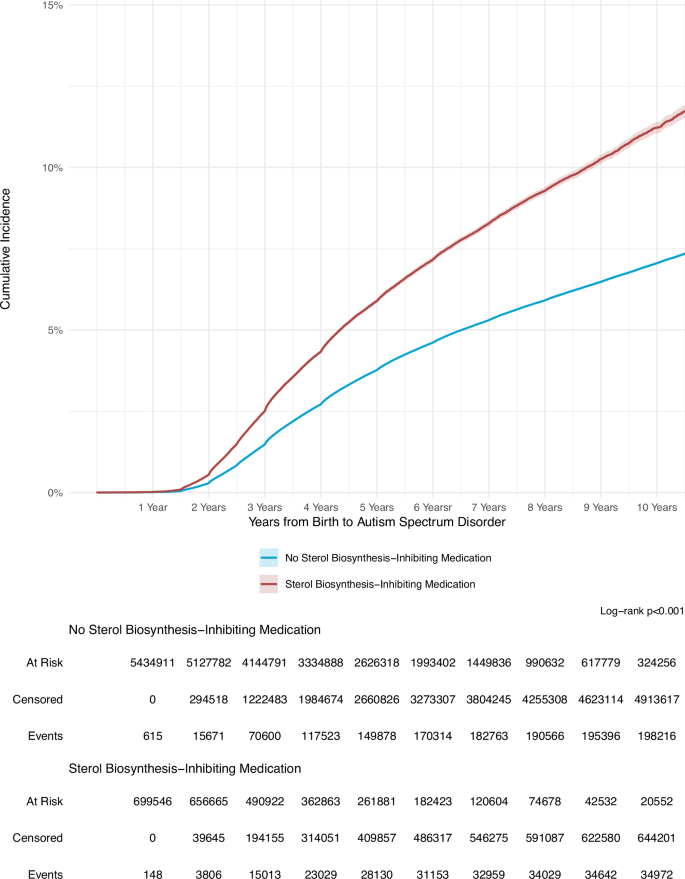 Study Links Antidepressants, Beta-blockers and Statins To Increased Autism Risk
An analysis of 6.14 million maternal-child health records has linked prescription medications...
 Pilot Study: Fibromyalgia Fatigue Improved By TENS Therapy
Fibromyalgia is the term for a poorly-understood condition where people experience pain and fatigue...

|
News Staff News Releases From All Over The World, Right To You... Read More » |
Blogroll |

 No one wants to knowingly buy products made with child labor or that harm the environment and that may be why few people want to know if their favorite products were made ethically. Even beyond that, people really don't like those good people who make the effort to seek out ethically made goods - because, like going on a cleanse, no one ever did so quietly.
 Over the past decade, neuroimaging studies, basically taking snapshots of neural circuitry as behavior occurs and mapping cause to effect, have sought to identify components of a neural circuit that operates across various domains of creativity. A new paper suggests, however, that creativity cannot be fully explained in terms of the activation or deactivation of a fixed network of brain regions. Rather, the scholars say, when creative acts engage brain areas involved in emotional expression, activity in these regions strongly influences which parts of the brain's creativity network are activated, and to what extent.





