Banner
Synchrotron Could Shed Light On Exotic Dark Photons

There are many hypothetical particles proposed to explain dark matter and one idea to explore how...

The Pain Scale Is Broken But This May Fix It

Chronic pain is reported by over 20 percent of the global population but there is no scientific...
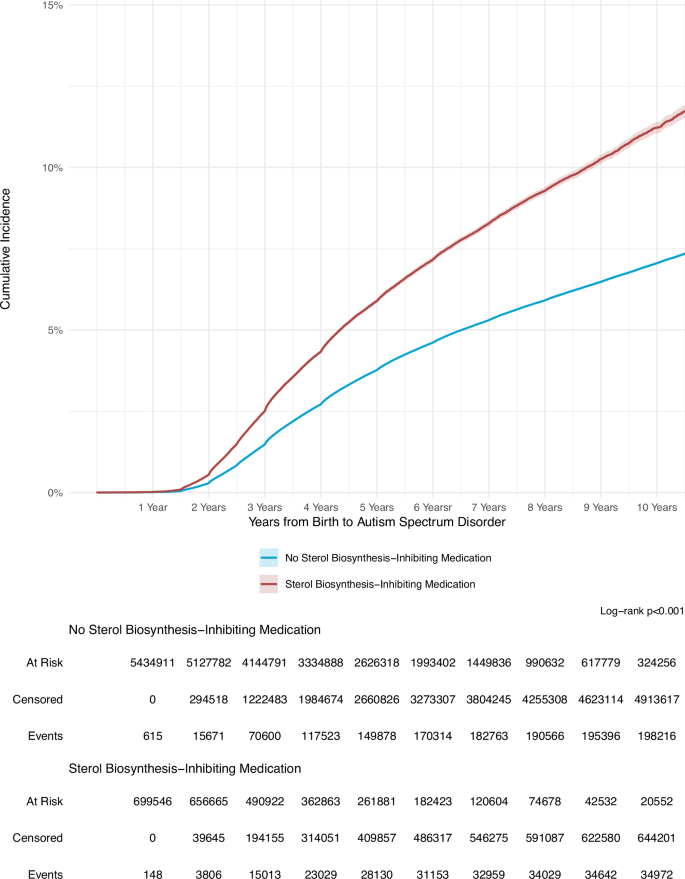
Study Links Antidepressants, Beta-blockers and Statins To Increased Autism Risk

An analysis of 6.14 million maternal-child health records  has linked prescription medications...

Pilot Study: Fibromyalgia Fatigue Improved By TENS Therapy

Fibromyalgia is the term for a poorly-understood condition where people experience pain and fatigue...

User picture.
News StaffRSS Feed of this column.

News Releases From All Over The World, Right To You... Read More »

Blogroll

WASHINGTON, D.C., Dec. 29, 2015 -- What can mathematical modeling teach us about the micrometeorology of the southern Amazonian 'transitional' forest? Quite a lot, it turns out. This particular forest is located between the rain forest of the Amazon Basin and the tropical Brazilian Savanna, so it plays a crucial role in both regional and global biogeochemical cycling.

Tropical forests and savannas exchange vast amounts of energy and matter with their surroundings and, as such, contribute to the local and global climate. They can accumulate large quantities of carbon, for example, which helps partially offset anthropogenic carbon dioxide (CO2) emissions.

A central challenge in the field of metabolic engineering is the efficient identification of a metabolic pathway genotype that maximizes specific productivity over a robust range of process conditions. A review from researchers at Michigan State University in East Lansing, MI covers the challenges of optimizing specific productivity of metabolic pathways in cells and new advances in pathway creation and screening.

WASHINGTON, D.C., Dec. 29, 2015 -- Thermal properties of cells regulate their ability to store, transport or exchange heat with their environment. So gaining control of these properties is of great interest for optimizing cryopreservation -- the process of freezing and storing blood or tissues, which is also used when transporting organs for transplants.

Cell activity influences thermal properties, and at the tissue level this explains why infected wounds feel warm to the touch. Cancer cells, in particular, contain a thermal signature that reflects a higher metabolism than those of healthy cells. This feature is useful for grading tumors and can be used to complement classical histological analysis.

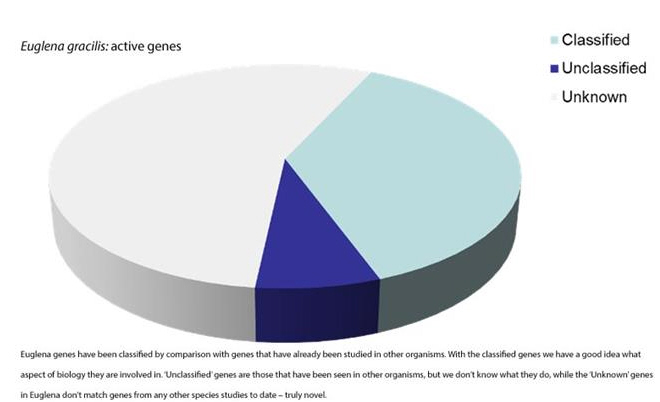
Euglena gracilis, the single cell algae which inhabits most garden ponds, has a whole host of new, unclassified genes which can make new forms of carbohydrates and natural products. Euglena creates many well-known, valuable natural products including vitamins, essential amino acids and a sugar polymer which may have anti-HIV effects. 

(PHILADELPHA) - Although the most common type of lung cancer - non-small cell lung cancer (NSCLC) - has recently seen major treatment advances in some genetic subtypes, other subtypes continue to evade effective treatment. (New therapies exist for NCCLC patients whose cancers harbor mutations in the ALK or EGFR genes, for example.) Now, a new study in mice has shown that cancers with KRAS-related gene mutations might benefit from a triple therapy with two experimental drugs plus radiation therapy. The results were published [TKTK date] in the journal Clinical Cancer Research.

The high amounts of dietary sugar in the typical Western diet may increase the risk of breast cancer and metastasis to the lungs, according to a study at The University of Texas MD Anderson Cancer Center.

The findings, published in the Jan. 1, 2016 online issue of Cancer Research, demonstrated dietary sugar's effect on an enzymatic signaling pathway known as 12-LOX (12-lipoxygenase).

"We found that sucrose intake in mice comparable to levels of Western diets led to increased tumor growth and metastasis, when compared to a non-sugar starch diet," said Peiying Yang, Ph.D., assistant professor of Palliative, Rehabilitation, and Integrative Medicine. "This was due, in part, to increased expression of 12-LOX and a related fatty acid called 12-HETE."