

Banner
Synchrotron Could Shed Light On Exotic Dark Photons

There are many hypothetical particles proposed to explain dark matter and one idea to explore how...

The Pain Scale Is Broken But This May Fix It

Chronic pain is reported by over 20 percent of the global population but there is no scientific...
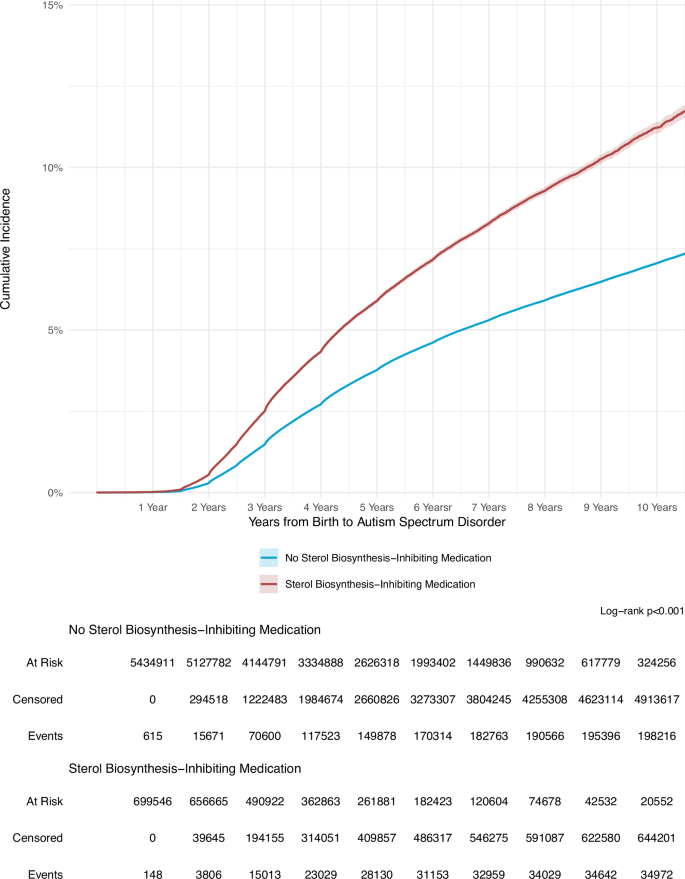
Study Links Antidepressants, Beta-blockers and Statins To Increased Autism Risk

An analysis of 6.14 million maternal-child health records  has linked prescription medications...

Pilot Study: Fibromyalgia Fatigue Improved By TENS Therapy

Fibromyalgia is the term for a poorly-understood condition where people experience pain and fatigue...

User picture.
News StaffRSS Feed of this column.

News Releases From All Over The World, Right To You... Read More »

Blogroll

Boston, MA - A new study by researchers from Harvard T.H. Chan School of Public Health and colleagues describes the pre-clinical development of a therapeutic that could potentially be used to treat type 2 diabetes, fatty liver disease, and other metabolic diseases. The researchers developed an antibody that improves glucose regulation and reduces fatty liver in obese mice by targeting a hormone in adipose (fat) tissue called aP2 (also known as FABP4).

The study will be published online December 23, 2015 in Science Translational Medicine.

Janardan Pandey, Ph.D., an immunogeneticist specializing in immunoglobulin GM genes at the Medical University of South Carolina, helped monitor for immune responses that could limit the effectiveness of the broadly neutralizing antibody VRC01 in a phase 1 trial of that antibody in HIV-infected individuals led by a team at the Vaccine Research Center (VRC) of the National Institute of Allergy and Infectious Diseases, part of the National Institutes of Health. The results of the trial were reported in an article in the Dec. 23, 2015 issue of Science Translational Medicine, on which Pandey was a co-author. Pandey's expertise as an immunogeneticist specializing in immunoglobulin GM genes was needed for the trial because the VRC01 antibody is built on the immunoglobulin GM3 platform.

Jumping is not about fun and games for insect larvae. They must do it to survive. This manoeuvre is all about finding a shady spot to develop in, according to researchers from Kyushu University in Japan, who led research into the jumping behavior of a minute parasitic wasp, published in Springer's journal The Science of Nature.

The use of jumping as a means of movement has only been observed in a few species of parasitic wasp larvae, suggesting that this behavior does not easily evolve. One such wasp is the three millimeter long Bathyplectes anurus. This parasite is used as a form of biological pest control against alfalfa weevil (Hypera postica), a destructive agricultural pest that attacks legumes.

(Boston) - For salt marshes, hurricanes are just another day at the beach.

These coastal wetlands are in retreat in many locations around the globe--raising deep concerns about damage to the wildlife that the marshes nourish and the loss of their ability to protect against violent storms. The biggest cause of their erosion is waves driven by moderate storms, not occasional major events such as Hurricane Sandy, researchers from Boston University and the United States Geological Survey now have shown.

A new analysis indicates that many patients continue working after being diagnosed with metastatic cancer, but a heavy burden of symptoms may prevent them from doing so. Published early online in CANCER, a peer-reviewed journal of the American Cancer Society, the study illustrates the need to treat difficult symptoms so that patients can maintain their employment.

Improved treatments have helped to prolong the lives of patients with metastatic cancer. Because individuals diagnosed with metastatic cancer may wish to continue to work, understanding how their illness affects their employment may help patients make adjustments.

Many people in Russia know about the Dima Rogachev Centre - particularly those who have faced the challenge of child cancer. The centre is Europe's largest pediatric cancer care facility and is named after a boy with advanced cancer who wrote a letter to President Putin inviting him to visit; the invitation was accepted, and after the visit, the decision was made to build a state-of-the-art Centre for Pediatric Hematology, Oncology and Immunology, based in the Research Institute of Pediatric Hematology. The new centre was named after Dmitry 'Dima' Rogachev who died two years later at the age of 12 while the centre was still under construction.

Doctors Seeking Help from Mathematicians

