

Banner
Synchrotron Could Shed Light On Exotic Dark Photons

There are many hypothetical particles proposed to explain dark matter and one idea to explore how...

The Pain Scale Is Broken But This May Fix It

Chronic pain is reported by over 20 percent of the global population but there is no scientific...
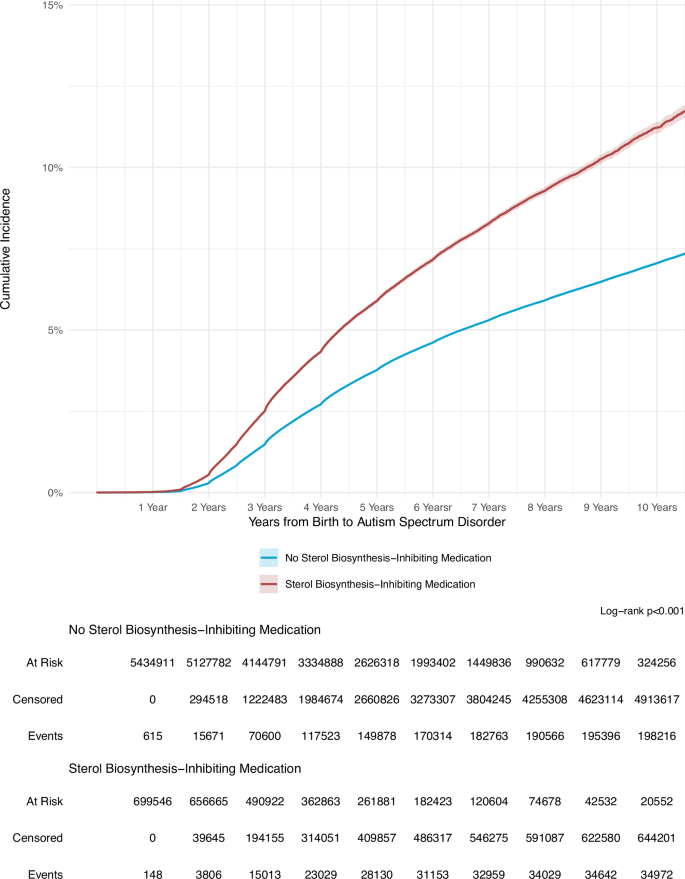
Study Links Antidepressants, Beta-blockers and Statins To Increased Autism Risk

An analysis of 6.14 million maternal-child health records  has linked prescription medications...

Pilot Study: Fibromyalgia Fatigue Improved By TENS Therapy

Fibromyalgia is the term for a poorly-understood condition where people experience pain and fatigue...

User picture.
News StaffRSS Feed of this column.

News Releases From All Over The World, Right To You... Read More »

Blogroll

The key to helping animals evolve quickly in response to climate change could actually be their predators, according to a new study which says that species interactions, meaning the way species interact with each other in an ecosystem, like in a predator-prey relationship, is important to understanding how animals will respond to climate change.  

"Not only can predators keep prey populations in check but in some cases they can help speed up the evolutionary response to climate change," said Michelle Tseng, a research associate in UBC's Department of Zoology and lead author of the study. "We now understand that species interactions and evolution can play a significant role in preventing animals from going extinct in a rapidly changing climate."

Smoking are linked to infertility problems and a hastening of the natural menopause before the age of 50, finds a large study in Tobacco Control.  The clinical significance of earlier menopause is unknown and it was an observational study so no firm conclusions can be drawn about cause and effect. 

(Boston)--For the first time, CTE has been confirmed as a unique disease that can be definitively diagnosed by neuropathological examination of brain tissue. A consensus panel of expert neuropathologists concluded that CTE has a pathognomonic signature in the brain, an advance that represents a milestone for CTE research and lays the foundation for future studies defining the clinical symptoms, genetic risk factors and therapeutic strategies for CTE.

The neuropathological criteria defining CTE, or the NINDS CTE criteria, which appear in the journal Acta Neuropathologica, had been announced earlier this year at the Foundation of the National Institutes of Health (NIH) board meeting.

A survey of 10 hot, Jupiter-sized exoplanets conducted with NASA's Hubble and Spitzer space telescopes has led a team to solve a long-standing mystery -- why some of these worlds seem to have less water than expected. The findings offer new insights into the wide range of planetary atmospheres in our galaxy and how planets are assembled.

Of the nearly 2,000 planets confirmed to be orbiting other stars, a subset are gaseous planets with characteristics similar to those of Jupiter but orbit very close to their stars, making them blistering hot.

They say we can't escape our past--no matter how much we change, we still have the memory of what came before; the same can be said of our cells.

Adult cells, such as skin or blood cells, have a cellular "memory," or record of how the cell changes as it develops from an uncommitted embryonic cell into a specialized adult cell. Now, Harvard Stem Cell Institute researchers at Massachusetts General Hospital (MGH) in collaboration with scientists from the Research Institutes of Molecular Biotechnology (IMBA) and Molecular Pathology (IMP) in Vienna have identified genes that when suppressed effectively erase a cell's memory, making the cell more susceptible to reprogramming and, consequently, making the process of reprogramming quicker and more efficient.

An analysis of trials registered in ClinicalTrials.gov shows that the private sector is doing a lot more to advance pharmaceutical science than the government.

Don't be alarmed by that. Before a product can go to market, the manufacturer is required to prove safety and efficacy whereas government-funded trials are picked by a government committee and therefore not based on what may benefit the public. For that reason, it's not only good that the NIH is not funding a lot of trials, it's essential. Pharmaceuticals are one area of medicine that has not been taken over by government tinkering and if we look at the solar and wind industry, it is easy to see why it is better for everyone that the NIH stick to basic research.





