

Banner
Synchrotron Could Shed Light On Exotic Dark Photons

There are many hypothetical particles proposed to explain dark matter and one idea to explore how...

The Pain Scale Is Broken But This May Fix It

Chronic pain is reported by over 20 percent of the global population but there is no scientific...
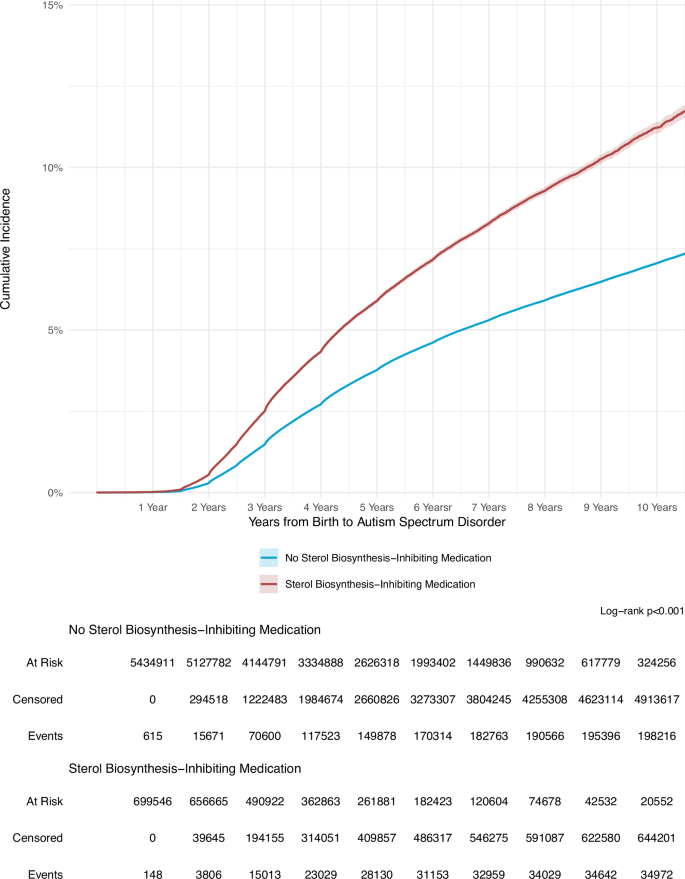
Study Links Antidepressants, Beta-blockers and Statins To Increased Autism Risk

An analysis of 6.14 million maternal-child health records  has linked prescription medications...

Pilot Study: Fibromyalgia Fatigue Improved By TENS Therapy

Fibromyalgia is the term for a poorly-understood condition where people experience pain and fatigue...

User picture.
News StaffRSS Feed of this column.

News Releases From All Over The World, Right To You... Read More »

Blogroll

Poisonings from recreational drug and alcohol use account for 9 percent of all poisoning-related hospital admissions,while males and people under 30 are at greatest risk, according to a paper in Drug and Alcohol Dependence.

The lesson: Young people are more inclined to be both experimental and stupid about it, especially at Australian music festivals. The report is based on 13,805 patient records collected between January 1996 and December 2013 using data from the Hunter Area Toxicology Service (HATS). The report finds that stimulants were the drug class most commonly linked to recreational poisonings, followed by alcohol, opioids, sedatives, hallucinogens, cannabis, non-narcotic analgesics, ecstasy and cocaine. 

An analysis of data gathered from 14 independent studies indicates that the influence of genes on intelligence varies according to people's social class in the US, but not in Western Europe or Australia. The findings are published in Psychological Science, a journal of the Association for Psychological Science.

Research suggests that genes and environment both play a critical role in shaping a person's intelligence. A longstanding hypothesis in the field of behavioral genetics holds that our potential intelligence, as set by our genes, is more fully expressed in environments that are supportive and nurturing, but is suppressed in conditions of poverty and disadvantages. While some studies have provided evidence supporting this hypothesis, others have not.

Multiple sclerosis (MS) may be triggered by the death of brain cells that make myelin, the insulation around nerve fibers, according to research on a novel mouse model developed by scientists from the University of Chicago and Northwestern Medicine. The death of these cells initiates an autoimmune response against myelin, the main characteristic of the disease, which leads to MS-like symptoms in mice.

This reaction can be prevented, however, through the application of specially developed nanoparticles, even after the loss of those brain cells. The nanoparticles are being developed for clinical trials that could lead to new treatments in humans.

The greater proportion of women than men on college campuses may contribute to a hook-up culture where women are more willing to engage in casual sex and are more aggressive toward other desirable women who are perceived as rivals, according to new research published by the Society for Personality and Social Psychology.

In the first experimental study to examine this issue, researchers found an imbalanced gender ratio affects views about casual sex for both men and women in ways that people may not consciously realize.

A new tree frog species, Dendropsophus bromeliaceus, spends its tadpole stage in pooled water that collects in bromeliad plants in the Brazilian Atlantic forest, according to a study published December 9, 2015 in the open-access journal PLOS ONE by Rodrigo Ferreira from the Utah State University and Universidade Vila Velha and colleagues.

Scientists compared the tree frog molecular data with closely related frogs and found it is a new species in the Dendropsophus genus. They named the species Dendropsophus bromeliaceus and gave it the common name Teresensis' bromeliad treefrog, which refers to the people born in the municipality of Santa Teresa, Brazil where it was found.

Scientists describe a new, ~160 million year-old ceratopsian dinosaur with "ornamental" texture on the skull from the Late Jurassic period in China, according to a study published December 9, 2015 in the open-access journal PLOS ONE by Fenglu Han from the China University of Geosciences and colleagues.


