

Banner
Synchrotron Could Shed Light On Exotic Dark Photons

There are many hypothetical particles proposed to explain dark matter and one idea to explore how...

The Pain Scale Is Broken But This May Fix It

Chronic pain is reported by over 20 percent of the global population but there is no scientific...
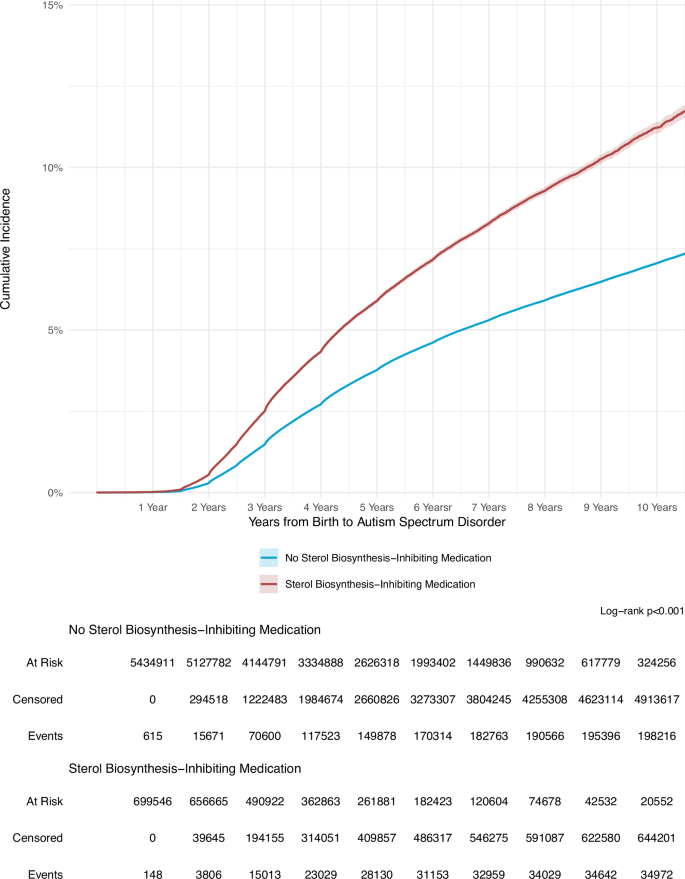
Study Links Antidepressants, Beta-blockers and Statins To Increased Autism Risk

An analysis of 6.14 million maternal-child health records  has linked prescription medications...

Pilot Study: Fibromyalgia Fatigue Improved By TENS Therapy

Fibromyalgia is the term for a poorly-understood condition where people experience pain and fatigue...

User picture.
News StaffRSS Feed of this column.

News Releases From All Over The World, Right To You... Read More »

Blogroll

Research by James Cook University scientists has found a diet favoured by body-builders may be effective in treating schizophrenia.

Associate Professor Zoltan Sarnyai and his research group from JCU's Australian Institute of Tropical Health and Medicine (AITHM) have discovered that feeding mice a ketogenic diet, which is high on fat but very low on carbohydrates (sugars), leads to fewer animal behaviours that resemble schizophrenia.

The ketogenic diet has been used since the 1920s to manage epilepsy in children and more recently as a weight loss diet preferred by some body builders.

History supports Dwayne 'The Rock' Johnson's recent tweet saying that men have a hard time asking for help for their depression.

But new research brings good news: Men really do think it's important to seek help.

Participants in a national survey read a scenario describing someone who had depressed symptoms. Among other things, this hypothetical person has difficulty sleeping, can't concentrate and doesn't feel happy even when good things happen.

The survey then asked participants to rate the importance of getting help from friends, family members or religious leaders. Men overall rank this as a 7.7 on an importance scale of 1-10, which is surprising because that ranking is just as high as what women said to the survey.

Scientists at Aarhus University have discovered that fungi associated with plant roots may improve growth and yield of drought-stressed wheat.

Water scarcity has a negative impact on wheat production. As a consequence of exposure to drought, crops show poorer growth and lower yield. This is a serious problem as the predicted increase in frequency of extreme climate episodes will lead to multiple drought conditions during crop growth which in turn will reduce the yield of wheat, one of the world's most important foods.

The UN Intergovernmental Panel on Climate Change predicts that drought stress in crops will become increasingly serious in the future. Globally, wheat yield is only 30-60 percent of its potential.

Fungi may help

It's no secret that the organic growing process is harder on the environment, with more toxic pesticides, less efficient use of the land, and lower yields, but some practices are exceptionally harmful, like growing crops in organic (peat) soil. 

When organic soils are drained and cultivated the organic matter in the soil will decompose which leads to emissions of greenhouse gases, finds a study in Denmark, and that makes up as much as 6 percent of Denmark's total greenhouse gas emissions.

  • Students can feel isolated and pressure to represent all minorities

  • It is difficult to talk about discrimination, stereotyping and microaggression
  • Guidance from diverse coaches, peers spurs students' persistence to pursue academic careers
  • "I'm so happy to see other people of color in one place doing the same thing that I'm doing."

    CHICAGO --- The challenges of increasing diversity in academia have been widely cited. Now a new Northwestern Medicine study is addressing challenges at the Ph.D. level to boost the persistence of underrepresented minority and female students toward academic careers.

  • Kyoto, Japan -- Researchers have found that fish oil transforms fat-storage cells into fat-burning cells, which may reduce weight gain in middle age.

    The team explains in Scientific Reports that fish oil activates receptors in the digestive tract, fires the sympathetic nervous system, and induces storage cells to metabolize fat.

    Fat tissues don't all store fat. So-called "white" cells store fat in order to maintain energy supply, while "brown" cells metabolize fat to maintain a stable body temperature. Brown cells are abundant in babies but decrease in number with maturity into adulthood.


