

Banner
Synchrotron Could Shed Light On Exotic Dark Photons

There are many hypothetical particles proposed to explain dark matter and one idea to explore how...

The Pain Scale Is Broken But This May Fix It

Chronic pain is reported by over 20 percent of the global population but there is no scientific...
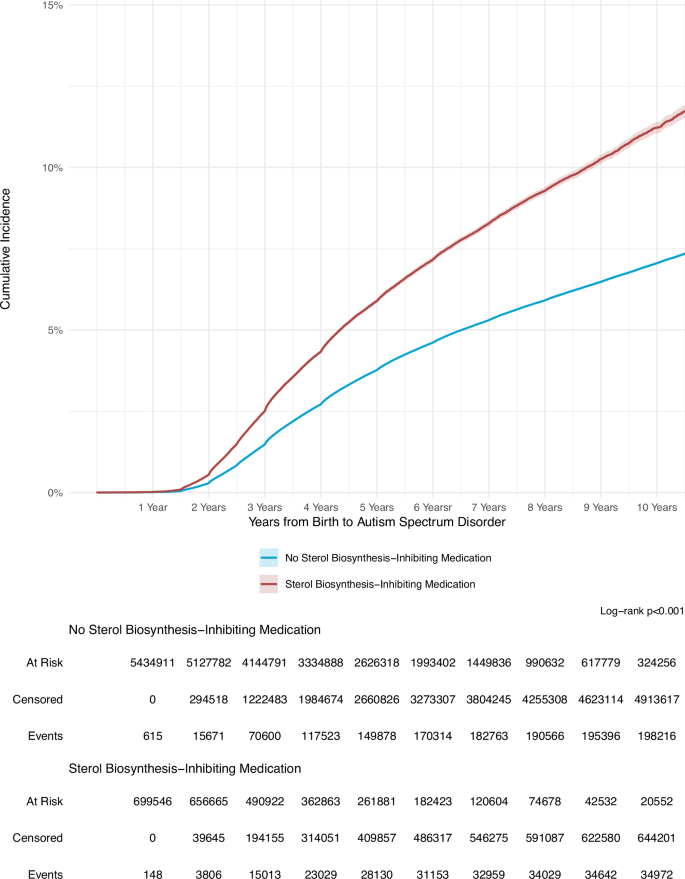
Study Links Antidepressants, Beta-blockers and Statins To Increased Autism Risk

An analysis of 6.14 million maternal-child health records  has linked prescription medications...

Pilot Study: Fibromyalgia Fatigue Improved By TENS Therapy

Fibromyalgia is the term for a poorly-understood condition where people experience pain and fatigue...

User picture.
News StaffRSS Feed of this column.

News Releases From All Over The World, Right To You... Read More »

Blogroll

When used properly, car seats can reduce the risk of infant death and injury by 71% but a new study in The Journal of Pediatrics found that most families with newborns made at least one serious error in the use and installation of their car safety seat. In 2013, car accidents resulted in approximately 8,500 infants requiring hospitalization or emergency department visits and 135 deaths.  

Scientists led by Queen Mary University of London (QMUL) have developed a new type of synthetic bone graft that boosts the body's own ability to regenerate bone tissue and could produce better outcomes for patients.

The research, which is published in the Journal of Materials Science: Materials in Medicine today (Friday 18 December) found that the new type of graft called Inductigraft was able to guide bone tissue regeneration in as little as four weeks.

Researchers from QMUL's School of Engineering and Materials Science (SEMS) manipulated the pore structure of the graft to mimic natural bone tissue.

Philadelphia, PA, Dec. 14, 2015 - Vitamin D plays a crucial role in ensuring appropriate bone density. Active individuals who enjoy participating in higher impact activities may need to maintain higher vitamin D levels to reduce their risk of stress fractures, report investigators in The Journal of Foot & Ankle Surgery.

COLUMBIA, Mo. - Nearly 66 percent of all adverse events experienced by nursing home residents, such as falls, delirium and hallucinations, could be prevented, in part, by monitoring medication more closely. In nursing homes, both registered nurses (RNs) and licensed practical nurses (LPNs) perform medication reconciliation, a safety practice during which health care professionals review patients' medications to reduce the likelihood of preventable adverse drug events. Now, researchers at the University of Missouri have found that RNs are more likely than LPNs to identify high-risk medication discrepancies, suggesting RNs are better equipped to assess and identify medication errors that could pose risks to residents' safety.

From diabetes to dementia, from depression to AIDS, large segments of the UK's population are living with conditions that cannot be cured, but must be managed outside of the hospital environment. How technology could transform the future of healthcare will be discussed by Professor Ian Craddock from the University of Bristol at the IEEE World Forum on the Internet of Things (WF-IoT) in Milan, Italy.

Professor Ian Craddock, Director of SPHERE based in the Faculty of Engineering and Managing Director of Toshiba's Telecommunications Research Laboratory, has been invited to give a keynote talk tomorrow [Tuesday 15 December] about how the Internet of Things will transform health.

ANN ARBOR, Mich. -- Parents of teens may struggle letting go of the reins when it comes to their children's health checkups, a new national poll suggests.

Just 34 percent of parents say their teen discussed health concerns privately with a doctor without them in the room, and less than 10 percent say their teens can complete their health history form independently.

Today's report from the C.S. Mott Children's Hospital National Poll on Children's Health at the University of Michigan includes a nationally-representative group of parents of teens ages 13-18.


