Banner
Synchrotron Could Shed Light On Exotic Dark Photons

There are many hypothetical particles proposed to explain dark matter and one idea to explore how...

The Pain Scale Is Broken But This May Fix It

Chronic pain is reported by over 20 percent of the global population but there is no scientific...
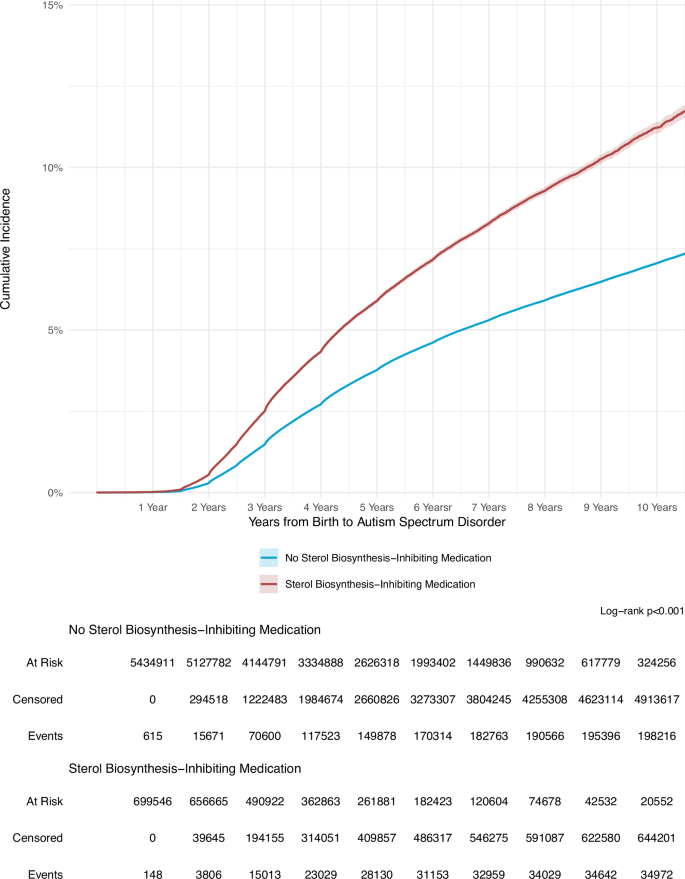
Study Links Antidepressants, Beta-blockers and Statins To Increased Autism Risk

An analysis of 6.14 million maternal-child health records  has linked prescription medications...

Pilot Study: Fibromyalgia Fatigue Improved By TENS Therapy

Fibromyalgia is the term for a poorly-understood condition where people experience pain and fatigue...

User picture.
News StaffRSS Feed of this column.

News Releases From All Over The World, Right To You... Read More »

Blogroll
It's not enough to stay fit as you age if you want to avoid falls, according to an analysis of how many hours older people exercised and how well they performed on four balance tests.

Every year around 30 percent of all people aged 65 and older experience a fall. In the same age group, falls account for 40 percent of all injury-related deaths worldwide. Injuries from falls can have serious consequences. One in four seniors who break their hip die within a year, and quality of life can be greatly reduced for survivors.

SAN DIEGO, CA--Commonly, we think of cancer as anarchy, a leaderless mob of deranged cells, storming through the body. Pedro Lowenstein, Sebastien Motsch, and colleagues at the University of Michigan and University of Arizona think that cancer is highly organized--self-organized. In brain cancer, the Michigan and Arizona researchers report that glioma cells build tumors by self-organizing into streams,10-20 cells wide, that obey a mathematically predicted pattern for autonomous agents flowing together. These streams drag along slower gliomas, may block entry of immune cells, and swirl around a central axis containing glioma stem cells that feed the tumor's growth.

Gillnetting around the world is ensnaring hundreds of thousands of small cetaceans every year, threatening several species of dolphins and porpoises with extinction, according to research presented at the Society of Marine Mammalogy's 21st biennial conference in San Francisco this week.

But there is one bright spot in the Gulf of California, where Mexican authorities earlier this year instituted an emergency two-year ban on gillnetting to help save the critically endangered vaquita, now the rarest marine mammal species on the planet. Fewer than 100 vaquita remain, scientists speaking at the conference said.

Using antidepressants during pregnancy greatly increases the risk of autism, Professor Anick Bérard of the University of Montreal and its affiliated CHU Sainte-Justine children's hospital revealed today. Prof. Bérard, an internationally renowned expert in the fields of pharmaceutical safety during pregnancy, came to her conclusions after reviewing data covering 145,456 pregnancies. "The variety of causes of autism remain unclear, but studies have shown that both genetics and environment can play a role," she explained.

BOSTON -- Non-small cell lung cancer (NSCLC) in younger patients is a distinct disease, genetically and biologically, from NSCLC in older patients and may require a different treatment approach, Dana-Farber Cancer Institute scientists have found.

In a study published online today by JAMA Oncology, investigators scanned the DNA of thousands of NSCLC tumor samples for abnormalities and found that younger patients were more apt to have genetic subtypes of the disease that can be treated with available targeted therapies.

One of the biggest controversies in the western U.S. in the last two decades has been keeping gray wolves listed as endangered. Wolves are predators and with no evidence-based policies regarding herd management, attacks on livestock and threats to humans were greater than ever. That changed recently because the US Fish and Wildlife Service implemented herd management to try and bring the population back down.