

Banner
Synchrotron Could Shed Light On Exotic Dark Photons

There are many hypothetical particles proposed to explain dark matter and one idea to explore how...

The Pain Scale Is Broken But This May Fix It

Chronic pain is reported by over 20 percent of the global population but there is no scientific...
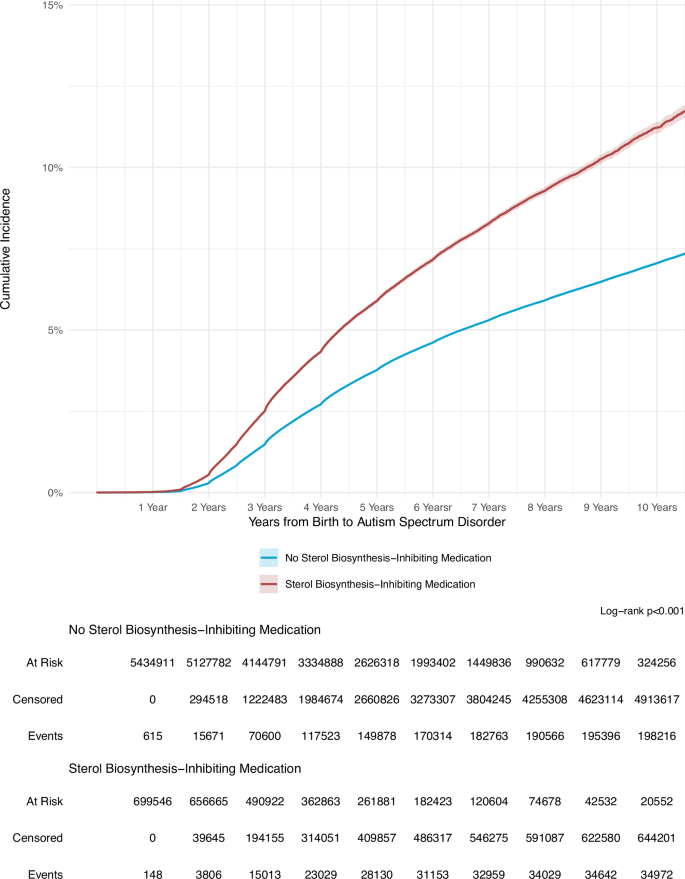
Study Links Antidepressants, Beta-blockers and Statins To Increased Autism Risk

An analysis of 6.14 million maternal-child health records  has linked prescription medications...

Pilot Study: Fibromyalgia Fatigue Improved By TENS Therapy

Fibromyalgia is the term for a poorly-understood condition where people experience pain and fatigue...

User picture.
News StaffRSS Feed of this column.

News Releases From All Over The World, Right To You... Read More »

Blogroll

Two year olds are adept at using touch screens, and can swipe, unlock, and actively search for features on smartphones and tablets, finds a small study published online in the Archives of Disease in Childhood.

This level of interactivity is akin to play, say the researchers, who suggest that the technology might have a potential role in childhood developmental assessment.

They base their findings on 82 questionnaires on touch screen access and use, completed by the parents of children aged between 12 months and 3 years.

Parents were asked how long their child used touch screens each day, and whether s/he was able to unlock the screen, swipe through pages or images, and recognise and interact with specific features such as app icons for games.

Almost three quarters of the weekend emergency care caseload is linked to excess alcohol intake, finds an activity analysis of one large inner city hospital in England, and published online in Emergency Medicine Journal.

Each case costs between £250 and £850 to treat, or £1 million every year, the analysis shows, indicating substantial costs for urban emergency care departments across the UK faced with similar demand, say the researchers.

The diversity of mammals on Earth exploded straight after the dinosaur extinction event, according to UCL researchers. New analysis of the fossil record shows that placental mammals, the group that today includes nearly 5000 species including humans, became more varied in anatomy during the Paleocene epoch - the 10 million years immediately following the event.

Brain scans from nearly 200 adolescent boys provide evidence that the brains of compulsive video game players are wired differently.

Chronic video game play is associated with hyperconnectivity between several pairs of brain networks. Some of the changes are predicted to help game players respond to new information. Other changes are associated with distractibility and poor impulse control. The research, a collaboration between the University of Utah School of Medicine, and Chung-Ang University in South Korea.

The first national estimate of U.S. wild bees suggests they're disappearing in many of the country's most important farmlands--including California's Central Valley, the Midwest's corn belt, and the Mississippi River valley.

We can learn to empathize with strangers. Surprisingly positive experiences with people from another group trigger a learning effect in the brain, which increases empathy. As researchers from the University of Zurich reveal, only a handful of positive learning experiences already suffice for a person to be-come more empathic.

Conflicts between people from different nationalities and cultures often stem from a lack of empathy or compassion for 'the stranger'. More empathy for members of other groups could thus encourage peaceful coexistence. A study conducted by the University of Zurich examined whether empathy with strangers can be learned and how positive experiences with others influence empathic brain responses.

Surprising behavior influences learning

