

Banner
Synchrotron Could Shed Light On Exotic Dark Photons

There are many hypothetical particles proposed to explain dark matter and one idea to explore how...

The Pain Scale Is Broken But This May Fix It

Chronic pain is reported by over 20 percent of the global population but there is no scientific...
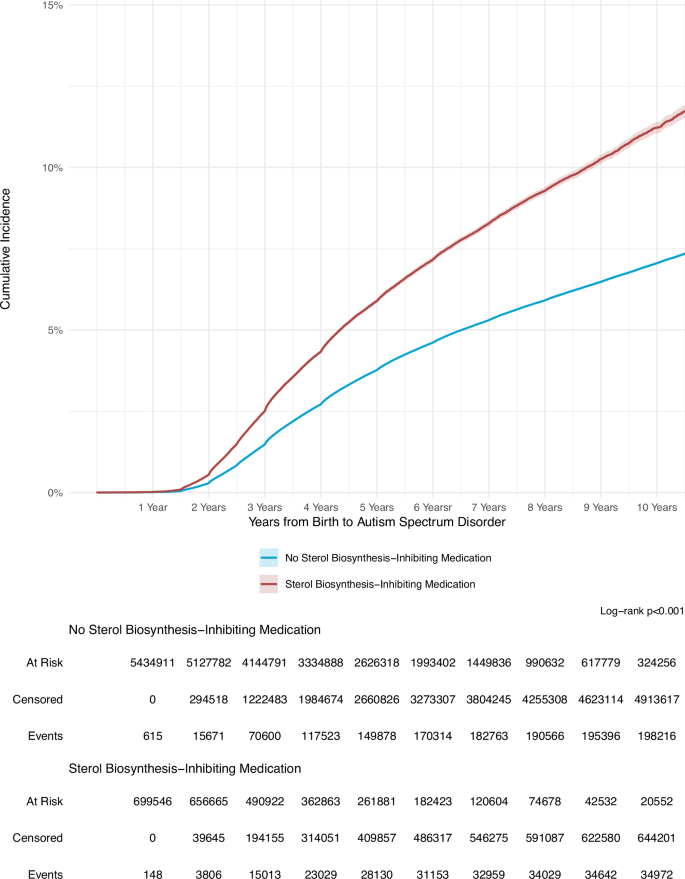
Study Links Antidepressants, Beta-blockers and Statins To Increased Autism Risk

An analysis of 6.14 million maternal-child health records  has linked prescription medications...

Pilot Study: Fibromyalgia Fatigue Improved By TENS Therapy

Fibromyalgia is the term for a poorly-understood condition where people experience pain and fatigue...

User picture.
News StaffRSS Feed of this column.

News Releases From All Over The World, Right To You... Read More »

Blogroll

Low levels of vitamin D have long been identified as an unwanted hallmark of weight loss surgery, but now findings of a new Johns Hopkins study of more than 930,000 patient records add to evidence that seasonal sun exposure -- a key factor in the body's natural ability to make the "sunshine vitamin" -- plays a substantial role in how well people do after such operations.

Results of the study, published online Dec. 14 in the journal Obesity Science & Practice, reveal interplay among vitamin D status, seasons, geography and surgery outcomes, according to Leigh Peterson, Ph.D., M.H.S., a nutritionist and postdoctoral research fellow at the Johns Hopkins Center for Bariatric Surgery, who led the research.

PROVIDENCE, R.I. [Brown University] -- While 3-D printers have become relatively cheap and available, 3-D scanners have lagged well behind. But now, an algorithm developed by Brown University researchers my help bring high-quality 3-D scanning capability to off-the-shelf digital cameras and smartphones.

"One of the things my lab has been focusing on is getting 3-D image capture from relatively low-cost components," said Gabriel Taubin, a professor in Brown's School of Engineering. "The 3-D scanners on the market today are either very expensive, or are unable to do high-resolution image capture, so they can't be used for applications where details are important."

In a "clash of the microbes," University of Delaware plant scientists are uncovering more clues critical to disarming a fungus that is the number one killer of rice plants.

The findings, published in December in Frontiers in Plant Science and in Current Opinion in Plant Biology, may lead to a more effective control for Magnaporthe oryzae, the fungus that causes rice blast disease.

When patients suffer, doctors tend to want to fix things and if they cannot many doctors then withdraw emotionally. But by turning toward the suffering, physicians can better help their patients and find more meaning in their work, wrote University of Rochester Professor Ronald M. Epstein, M.D., in the Journal of the American Medical Association's weekly essay, "A Piece of My Mind."

As a national and international keynote speaker and investigator in medical education, physician burnout and mindfulness, Epstein is concerned about a lack of attention to suffering. It doesn't often fit neatly within the hurried, fragmented, world of clinical care, he said.

ANN ARBOR, Mich. -- Cancer can cause an enormous financial burden for some patients. Now a new study finds the burden is worse for patients without paid sick leave.

In a survey of more than 1,300 patients with stage 3 colorectal cancer, researchers found that only 55 percent who were employed at the time of diagnosis retained their jobs after treatment. Patients who had paid sick leave were nearly twice as likely to retain their jobs as those without paid sick leave.

"Financial burden happens in a lot of different ways," says study author Christine Veenstra, M.D., MSHP, clinical lecturer in internal medicine at the University of Michigan Medical School.

The first discovery of a new type of hydrothermal vent system in a decade helps explain the long observed disconnect between the theoretical rate at which the Earth's crust is cooling at seafloor spreading ridge flanks, and actual observations. It could also help scientists interpret the evidence for past global climates more accurately.

This discovery has been made by scientists at the National Oceanography Centre (NOC) and the University of Southampton using a combination of robot-subs and remotely operated vehicles operated by the NOC.

