Banner
Synchrotron Could Shed Light On Exotic Dark Photons

There are many hypothetical particles proposed to explain dark matter and one idea to explore how...

The Pain Scale Is Broken But This May Fix It

Chronic pain is reported by over 20 percent of the global population but there is no scientific...
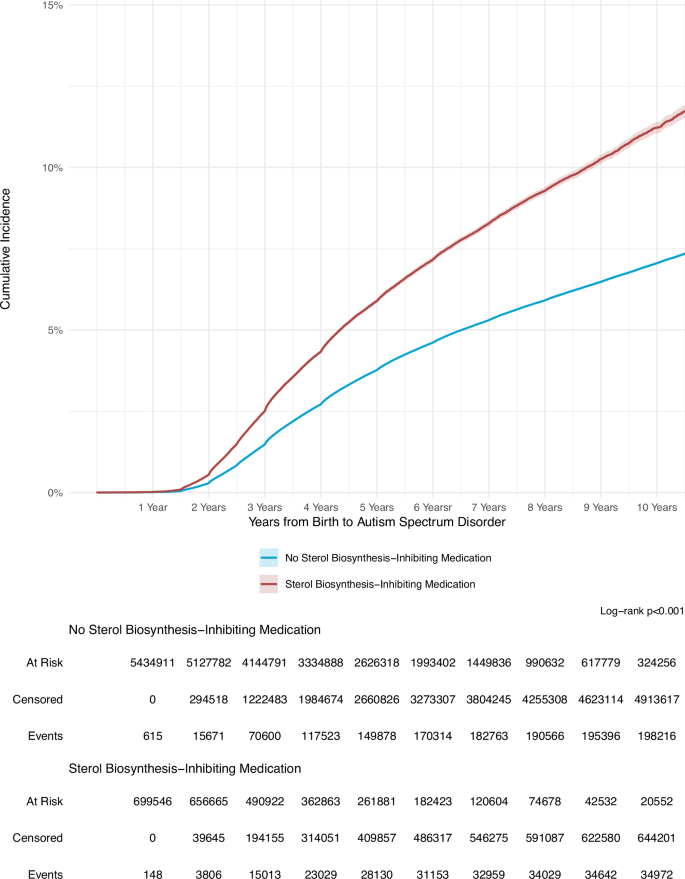
Study Links Antidepressants, Beta-blockers and Statins To Increased Autism Risk

An analysis of 6.14 million maternal-child health records  has linked prescription medications...

Pilot Study: Fibromyalgia Fatigue Improved By TENS Therapy

Fibromyalgia is the term for a poorly-understood condition where people experience pain and fatigue...

User picture.
News StaffRSS Feed of this column.

News Releases From All Over The World, Right To You... Read More »

Blogroll

The back of a tiger could have been a blank canvas. Instead, nature painted the big cat with parallel stripes, evenly spaced and perpendicular to the spine. Scientists don't know exactly how stripes develop, but since the 1950s, mathematicians have been modeling possible scenarios. In Cell Systems on December 23, Harvard researchers assemble a range of these models into a single equation to identify what variables control stripe formation in living things.

Some reptiles such as crocodilians and some turtles are known to display temperature-dependent sex determination (TSD), where the ambient temperature of the developing eggs determines the individual's sex. For example in the American alligator's eggs, incubation at 33 ºC produces mostly males, while incubation at 30 ºC produces mostly females. An international joint research team between Japan and the US have determined that the thermosensor protein TRPV4 is associated with TSD in the American alligator. The research has been published in Scientific Reports.

An article describes the first published case of confusional state in a healthy 14-year-old girl attributed to excessive consumption of over-the-counter cough medicine that contained codeine. Codeine is a widely prescribed painkiller, but it can also be purchased over the counter in preparations of cold/cough remedies.   

Scholars say video recordings show that tropical corvids fashion complex tools in the wild. The team attached tiny video 'spy-cameras'  to the crows to observe their natural foraging behavior and say there were two instances of hooked stick tool making on the footage they recorded, with one crow spending a minute making the tool, before using it to probe for food in tree crevices and even in leaf litter on the ground.

New Caledonian crows (Corvus moneduloides) are found on the South Pacific island of New Caledonia. They can use their bills to whittle twigs and leaves into bug-grabbing implements; some believe their tool-use is so advanced that it rivals that of some primates.

Currently available evidence from randomized controlled trials (RCT) does not support the use of nalmefene for harm reduction for people with alcohol dependence, according to a systematic review and meta-analysis (SRMA) published this week in PLOS Medicine. The study, conducted by Florian Naudet at INSERM, Centre Hospitalier Universitaire de Rennes, France also indicates that evidential support for the use of nalmefene to reduce alcohol consumption among this population is limited.

DALLAS, December 22, 2015 -- People scoring well on the American Heart Association's Life's Simple 7 checklist for a healthy heart are less likely to develop heart failure, a condition that reduces blood and oxygen flow to the body, according to new research in the American Heart Association's journal Circulation: Heart Failure.

Life's Simple 7 encompasses seven measures that people can use to rate their heart health and take steps to improve it. The measures are: manage blood pressure, control cholesterol, reduce blood sugar, get physically active, eat better, lose weight and stop smoking.