

Banner
Synchrotron Could Shed Light On Exotic Dark Photons

There are many hypothetical particles proposed to explain dark matter and one idea to explore how...

The Pain Scale Is Broken But This May Fix It

Chronic pain is reported by over 20 percent of the global population but there is no scientific...
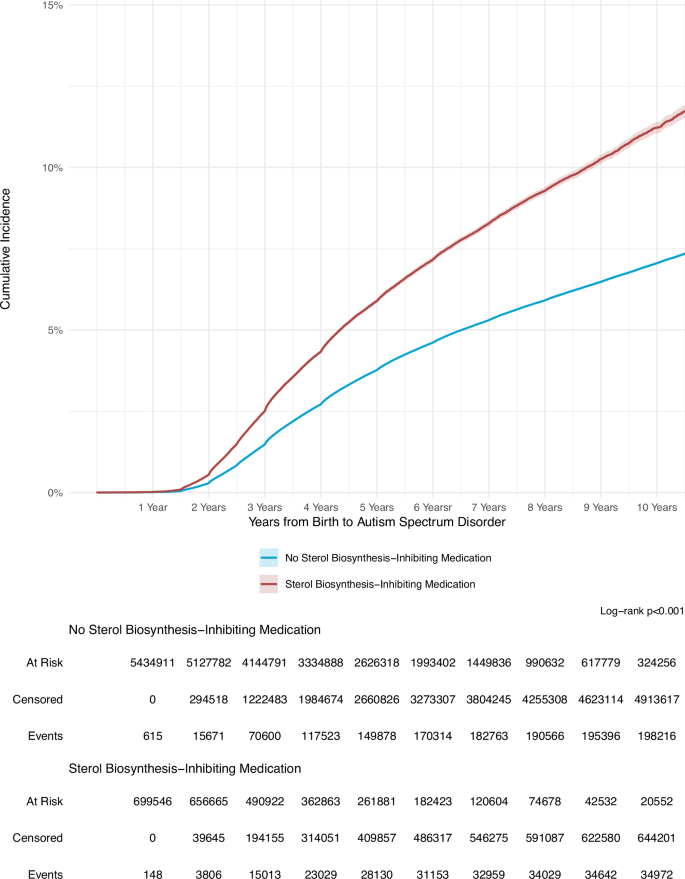
Study Links Antidepressants, Beta-blockers and Statins To Increased Autism Risk

An analysis of 6.14 million maternal-child health records  has linked prescription medications...

Pilot Study: Fibromyalgia Fatigue Improved By TENS Therapy

Fibromyalgia is the term for a poorly-understood condition where people experience pain and fatigue...

User picture.
News StaffRSS Feed of this column.

News Releases From All Over The World, Right To You... Read More »

Blogroll

Rats with restricted feeding schedules learn to eat more, helped by the "hunger hormone" ghrelin, according to new research from the University of Southern California.

The insights, to be published in the journal eLife, could be valuable for helping the researchers develop new effective weight-loss therapies.

"We are looking deep into the higher order functions of the brain to unpick not just which hormones are important for controlling our impulses but exactly how the signals and connections work," says lead author Scott Kanoski from the USC Dornsife College of Letters, Arts and Sciences.

Australian researchers have discovered why some galaxies are "clumpy" rather than spiral in shape--and it appears low spin is to blame.

The finding challenges an earlier theory that high levels of gas cause clumpy galaxies and sheds light on the conditions that brought about the birth of most of the stars in the Universe.

Lead author Dr Danail Obreschkow, from The University of Western Australia node of the International Centre for Radio Astronomy Research (ICRAR), said that ten billion years ago the Universe was full of clumpy galaxies but these developed into more regular objects as they evolved.

People vary according to different personality traits, such as extraversion or conscientiousness, and new research suggests that they also vary according to a particular cognitive trait: distractibility. The findings are published in Psychological Science, a journal of the Association for Psychological Science.

"We all know from personal experience that some people appear to be more prone to lapses of attention than others. At the same time, we know that inattention and distractibility characterize people with a clinical diagnosis of attention-deficit/hyperactivity disorder (ADHD)," says study author Nilli Lavie of University College London.

Antarctica was once downright balmy, lush with plants and lakes, but not any time recently. Despite all of the climate change and global warming of the last few million years, the continent has been a barren, cold desert of ice.

What might we expect there in the future as Earth's atmospheric concentration of carbon dioxide grows? More of the same. Antarctica's ancient lake deposits have remained frozen for at least the last 14 million years, suggesting that the surrounding region, the East Antarctic Ice Sheet, or EAIS, has likewise remained intact. 

Hydraulic fracturing is an important technological advance in the extraction of natural gas and petroleum from black shales, but wastewater produced along with shale gas and petroleum following fracking is extremely saline and contains high concentrations of barium.



The flu virus infects up to one-fifth of the U.S. population each year and kills thousands of people, many of them elderly. A new study explains why the flu vaccine is less effective at protecting older individuals, the people it is supposed to protect. 

Flu vaccines, which contain proteins found in circulating viral strains, offer protection by eliciting the production of antibodies -- proteins that help the immune system identify pathogens and protect against infectious disease. While vaccination is considered the most effective method for preventing influenza, it is less effective in the elderly. But until now, the molecular mechanisms underlying this decrease in vaccine efficacy were unknown.