There've been some recent environmental claims about methane seepage, flaming tapwater, but what were not staged have been due to nature. It's a tale almost as old as earth.
When Twitter began, they wanted to limit to 140 characters to conserve bandwidth. So users ironically (because it led to more bandwidth usage) began circumventing that by using images. Those are worth 1,000 words, according to now=popular wisdom from Frederick R. Barnard in an article in Printer's Ink from 1921.
But how many emotions is that?
A team of US scientists have found "beautifully preserved" 15 million-year-old thin protein sheets in fossil shells from southern Maryland. Their findings are published in the inaugural issue of Geochemical Perspectives Letters, the new peer-reviewed journal of the European Association of Geochemistry.
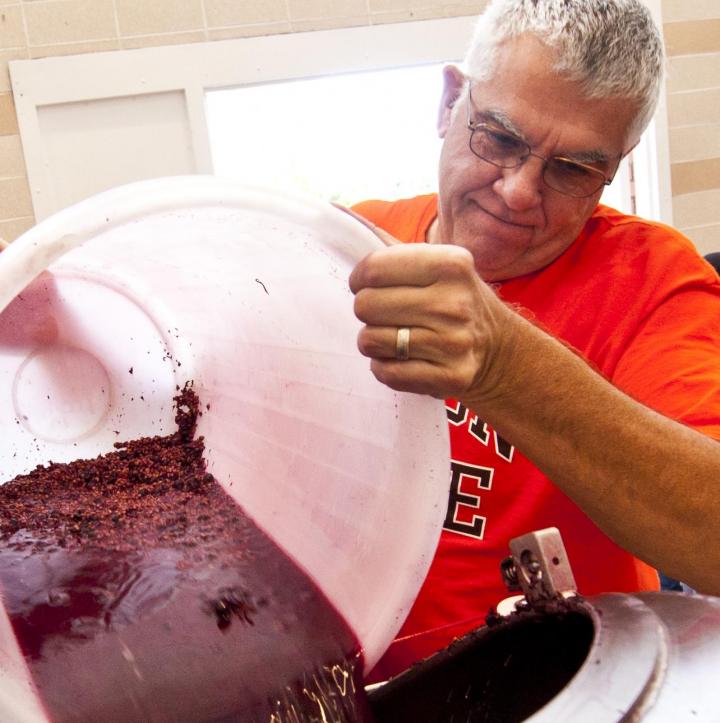
If you need a reason to drink wine, there is more good news from the world of science. A recent study exposed human liver and fat cells grown in the lab to extracts of four natural chemicals found in Muscadine grapes, a dark-red variety native to the southeastern United States.
One of the chemicals, ellagic acid, proved particularly potent: It dramatically slowed the growth of existing fat cells and formation of new ones, and it boosted metabolism of fatty acids in liver cells.
In modern culture, people are taught not to settle. Settling is, of course, subjective and people change so when psychologists are in charge, there are a lot of divorces.
What about when science was in charge? Is it better to settle or hold out for the best mate?
A new evolutionary biology study says that it's better to settle for Mr. Okay than hold out for Mr. Right. And that may be why it is in our nature - traced back to the earliest humans - to take the safe bet when stakes are high, such as whether or not we will mate.
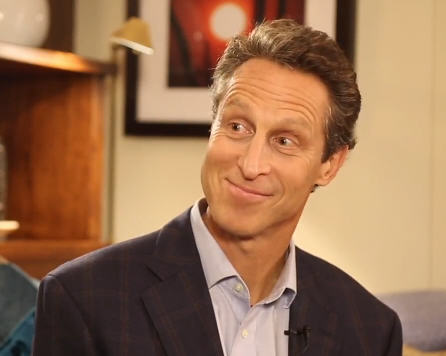
Pudgy and recovering from heart surgery, Bill Clinton needed someone to optimize his health. Hillary Clinton knew just the man for the job, and in 2005 introduced him to Dr. Mark Hyman, whose expertise they credit for Mr. Clinton’s current svelte physique.
By Joel N. Shurkin,
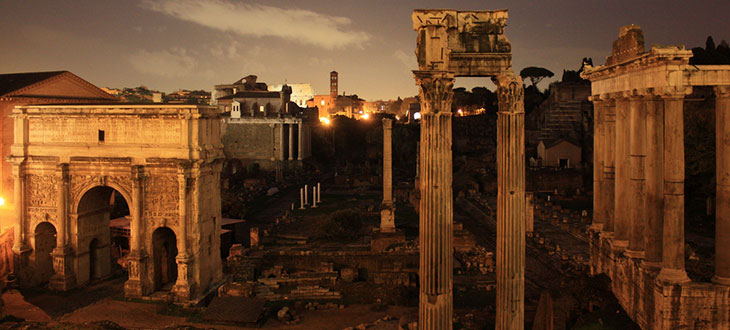
Inside Science -- Let's pretend it is 56 B.C. and you have been fortunate enough to be invited to a party at the home of Lucius Calpurnius Piso Caesoninus, a great social coup. Piso, after all, was Julius Caesar's father-in-law and a consul of Rome.
What's for dinner?
There are concerns about climate emissions because of resistance to clean technologies like nuclear power that have led to increased use of coal. Solar power will be the best solution in the future, if it does not fall victim to too much hype and subsidies now.
There is also a water problem. Only slightly more than one percent of the world's water is potable, making clean water a priority - but one that is easily solved by energy.
Apple and Facebook have an odd perquisite for their employees - they will pay for their employees to place oocytes in frozen storage — social freezing, also known as cryopreservation and egg freezing.
Companies may have a mercenary desire to do so, even if it comes across as altruism. By eliminating a biological clock for women, they can keep employees working longer hours, which will close that pay gap between men and women and make them look like noble while they reduce turnover.
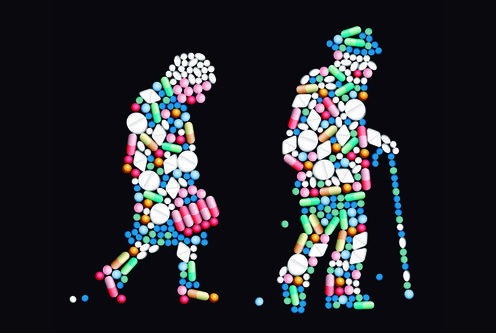 Image: Peter Hermes Furian
In 1971 Richard Nixon declared “War on Cancer” with the signing of the National Cancer Act. Significant progress has been made in the intervening 44 years – and Europe has been at the forefront of many of the advances.
But on February 4, World Cancer Day, it is worth asking whether we are winning the war on a disease which affects more than 22m people annually?
First, the good news – more people are surviving cancer than are dying of the disease. The recent European Cancer Registry shows that in Europe there were almost 16m cancer survivors in 2012.