




A new study by political science scholars has found one reason why women are less likely to run for political office - they will volunteer to lead but don't like competing to do so. 

Prior claims have been that more women lack the confidence to seek and hold office so University of Pittsburgh associate Professors of Political Science Kristin Kanthak and Jonathan Woon enlisted 350 undergraduate college students to participate in laboratory experiments which Kanthak said appeared to show women are more "election averse" than men.

It is often said that the middle of the road is the worst place to drive, yet centrists pride themselves on always arguing the opposite of whatever the conversation is. They believe we should split the difference on all issues, though the actual functioning of the United Nations should have put a stake into the heart of that political vampire by now. 

It turns out centrists are endangering their health in other ways, according to BMJ's annual Christmas issue, because by 'sitting on the fence' they are likely to be fatter than commies - especially Trotzkyites, who are always springing from political fad to political fad - and neo-Nazis too.

Why did the earliest farmers in the Fertile Crescent, an arc of land in western Asia from the Mediterranean Sea to the Persian Gulf, domesticate some cereal crops 10,000 years ago and not others?


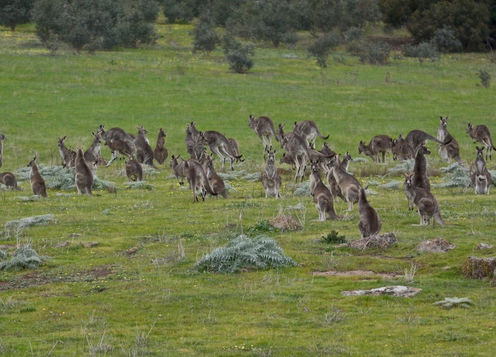
How many kangaroos is too many? David Jenkins/Flickr, CC BY-NC-SA

By Brett Howland, Australian National University; David Lindenmayer, Australian National University, and Iain Gordon, James Hutton Institute

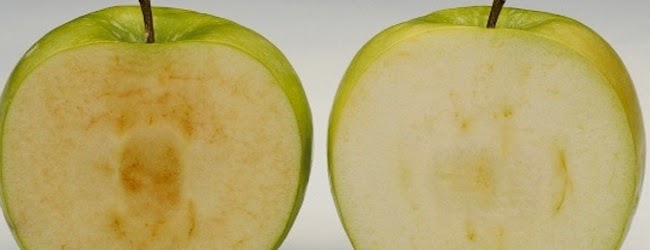
As a consumer and as an agricultural scientist, I’m looking forward to the introduction of the Arctic® apple. It is possibly nearing approval by regulators in the US and Canada which could mean that supplies might finally be available in a few more years.

These apples could give consumers the possibility of buying apples that maintain their flavor, appearance and vitamin content after cutting, and which can also be used to make beautiful dried apple slices without the need for sulfites (something that can be a problem for some people).

A longitudinal study has found that while higher income children eat worse at school, low-income kids eat healthier than at home. While the political controversy rages over federal efforts to manage local school lunch programs, more data on who has actually been helped by the program over time is needed. 

The results in Preventive Medicine showed that fruit and vegetable intake was higher among low income adolescents on days when they consumed meals at school. The opposite was true for high income adolescents who consumed fewer fruits and vegetables when school was in session, compared to summer months. While in school, all students consumed fruits and vegetables with similar frequency regardless of income level.

Some people just age better than others and it is isn't due to lifestyle. Most centenarians smoked cigarettes at one point, many were obese and almost all eat red meat. 

Perhaps birds can tell us what really matters. 

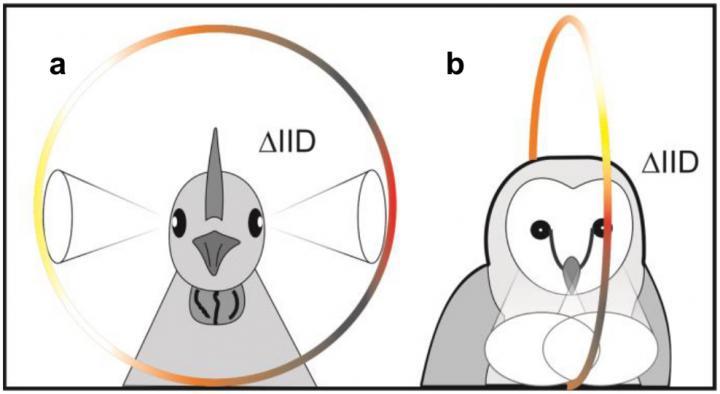
For mammals, the outer ears of mammals play an important function in helping identify sounds coming from different elevations.

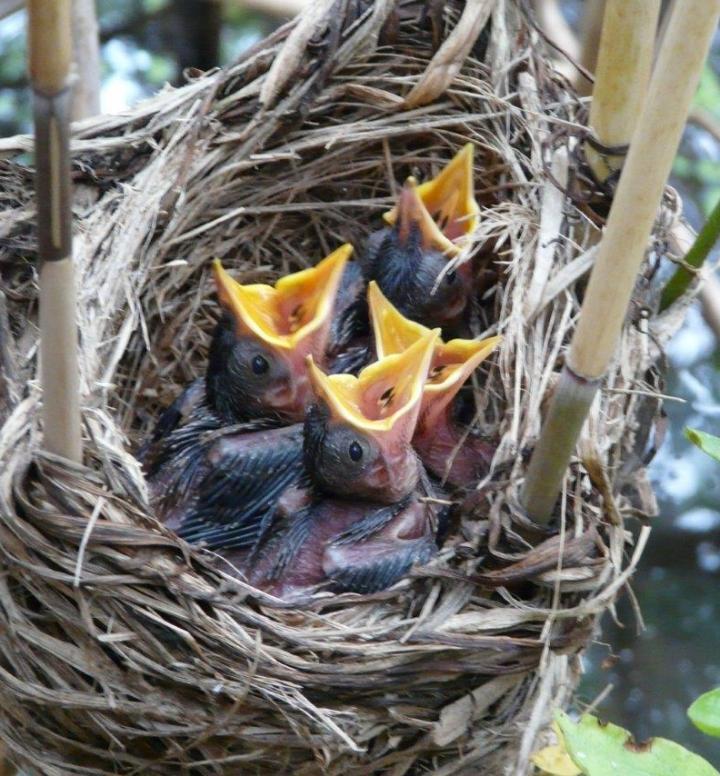
Since birds have no external ears, how do they accomplish the same thing? They utilize their entire head, according to a new paper in PLOS ONE

"Because birds have no external ears, it has long been believed that they are unable to differentiate between sounds coming from different elevations," explains Hans A. Schnyder,  Technische Universitaet Muenchen
Chair of Zoology. "But a female blackbird should be able to locate her chosen mate even if the source of the serenade is above her." 

A species of small fish uses a homemade coral-scented cologne to hide from predators - the first evidence of chemical camouflage from diet in fish.

Filefish evade predators by feeding on their home corals and then emitting a similar odor that makes them invisible to the noses of predators. Chemical camouflage from diet has been previously shown in insects, such as caterpillars, which mask themselves by building their exoskeletons with chemicals from their food.

If animals don't need an exoskeleton to use chemical camouflage, more animals than previously thought could be using this survival tactic.

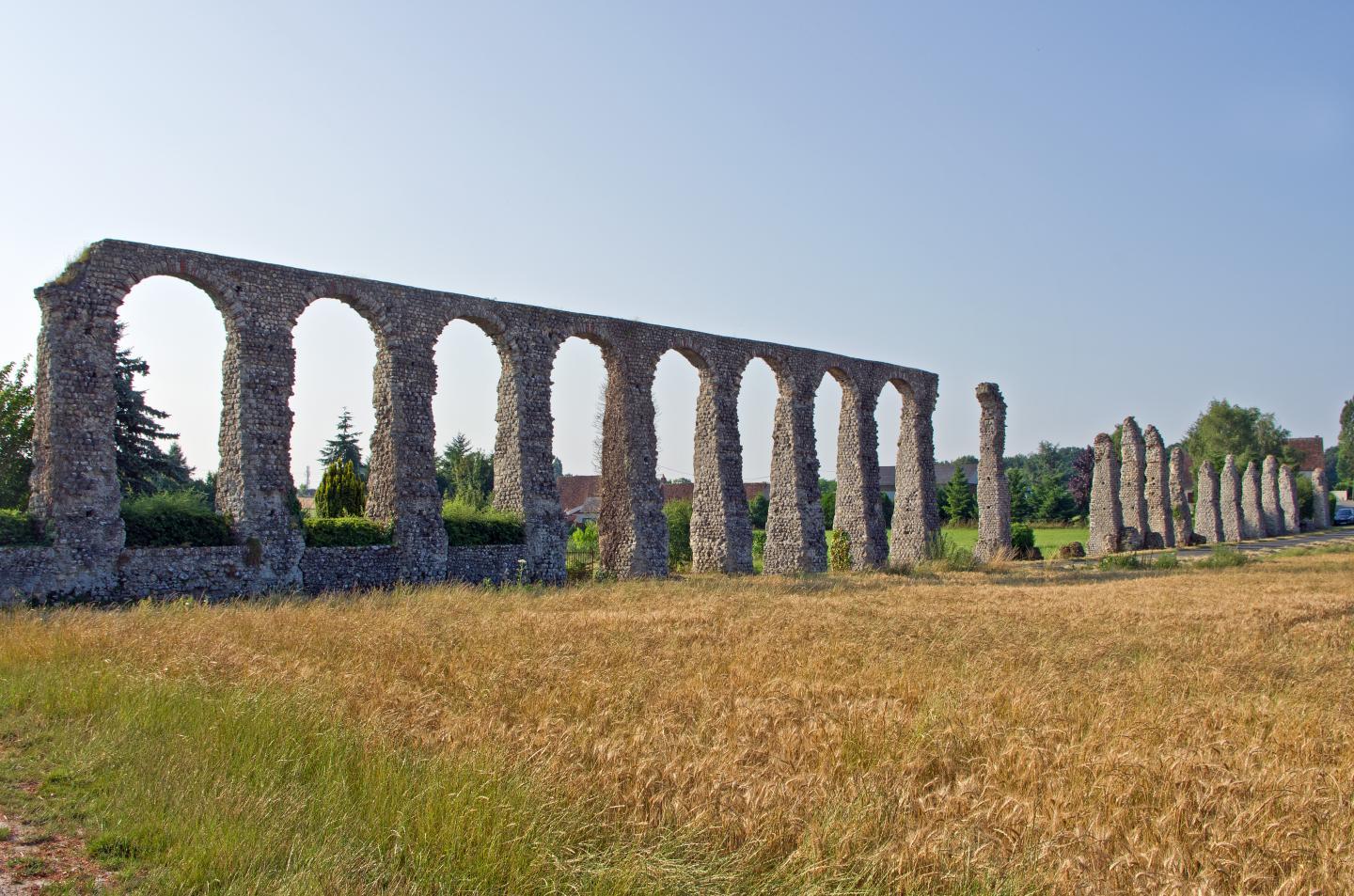
The Roman empire stretched over three continents, had 70 million people, and had a logistics and infrastructure system that kept them going for centuries.

They had smart agricultural practices and an extensive grain-trade network that enabled them to thrive even where water was scarce - but they knew their limits according to a paper in Hydrology and Earth System Sciences.


