





One way to know there will be no science at a nutrition conference is to find a yogic flying instructor on the panel roster. Yoga has a variety of mental and physical health benefits, just like all exercise and sports do, but it is not going to cure bipolar disorder or any other disease.

Even taking a few dozen surveys of people with bipolar disorder who do hatha yoga, a questionable methodology, does not find clinical benefits outside the placebo range, according to a paper in the Journal of Psychiatric Practice. 


Credit: Image of map courtesy of the USGS and composite image by Patricia Waldron

By: Patricia Waldron, Inside Science

(Inside Science) -- People living in Afghanistan have mined precious gems from their land, such as lapis lazuli, since the times of the Egyptian pharaohs. But modern analyses of the country's mineral deposits show that the Afghan people have barely scratched the surface of their mineable wealth.

Being at CERN for a couple of weeks, I could not refrain from following yesterday's talks in the Main Auditorium, which celebrated the 90th birthday of Herwig Schopper, who directed CERN in the crucial years of the LEP construction.

A talk I found most enjoyable was John Ellis'. He gave an overview of the historical context preceding the decision to build LEP, and then a summary of the incredible bounty of knowledge that the machine produced in the 1990s.

The current Ebola virus outbreak in West Africa has claimed more than 2000 lives and has spurred calls for a deeper understanding of the molecular biology of the virus that could be critical in the development of vaccines or antiviral drugs to treat or prevent Ebola hemorrhagic fever.

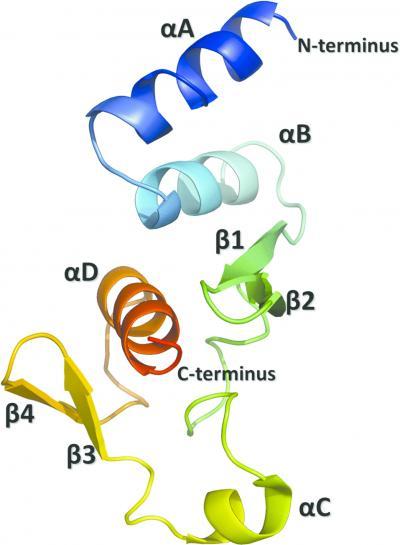
A team at the University of Virginia, under the leadership of Dr. Dan Engel, a virologist, and Dr. Zygmunt Derewenda, a structural biologist, has obtained the crystal structure of a key protein involved in Ebola virus replication, the C-terminal domain of the Zaire Ebola virus nucleoprotein (NP).

Magnetic stimulation of a brain area, the dorsolateral prefrontal cortex (DLPFC), involved in "executive function" affects cravings for and consumption of calorie-dense snack foods, reports a paper in Psychosomatic Medicine: Journal of Biobehavioral Medicine.

A new paper indicates that people with psychopathic traits have a preference for non-romantic sexual fantasies with anonymous and uncommitted partners.

A recent study of the global carbon cycle offers a new perspective of Earth's climate records through time.

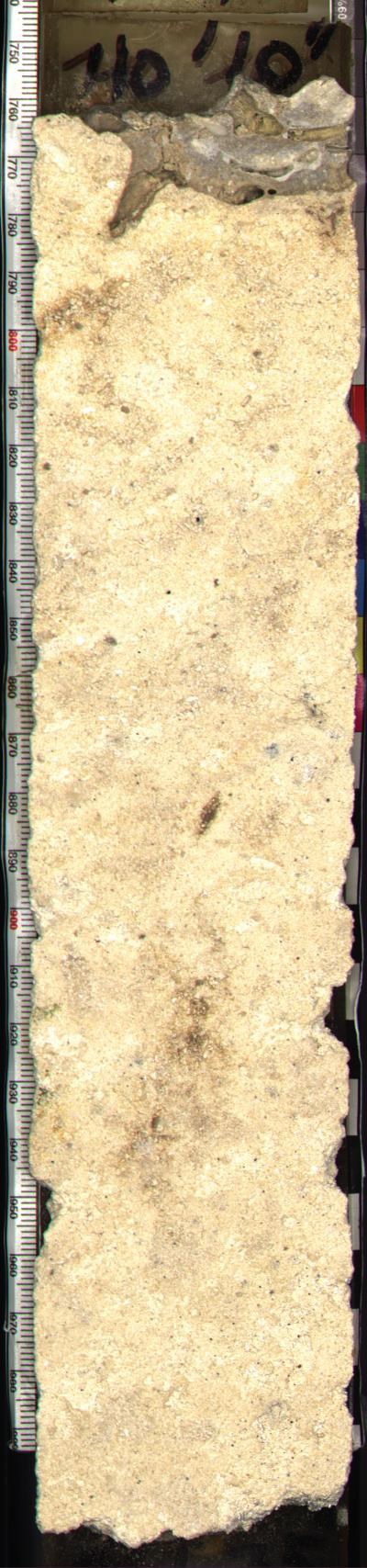
One of the current methods for interpreting ancient changes in the concentration of carbon dioxide in the atmosphere and oceans may need to be re-evaluated. A measurement of the abundance of carbon-12 and carbon-13 isotopes in both the organic matter and carbonate sediments found in a nearly 700-meter marine sediment core from the Great Bahama Bank.

The analyses showed a change to lower amounts of the rare isotope of carbon (carbon-13) in both the organic and inorganic materials as a result of several periods of sub-aerial exposure during the Pleistocene ice ages, which took place over the past two million years.

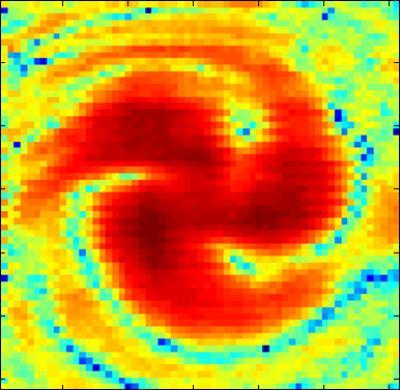
Using twisted light to send data at almost unimaginable speeds is not new but researchers have developed a similar technique using radio waves - high speeds without the hassles that go with optical systems. 

We live in a battery world - just visit any airport and see people huddled around a wall outlet to witness our battery culture. Yet batteries haven't made any real improvements in decades and that holds back electric cars and solar energy and laptop computers.

An old technology may finally have come of age that can help us enter the world of 21st century portable electricity - betavoltaics, a battery technology that generates power from radiation, has bee created using a water-based solution, and it might be the longer-lasting and more efficient nuclear battery we need.


