




Reperfusion injury prevention isn't possible just yet. The administration of an experimental agent known as TRO40303 to patients who have had a heart attack, with the hope of preventing tissue damage when impaired blood flow is corrected (reperfusion), was disappointingly ineffective, according to results of a European study of patients with acute ST-elevation myocardial infarction (STEMI) presented today at ESC Congress 2014 and published in the European Heart Journal.

Why would anyone bake bread and then turn around and toast it?

I lived in a Pennsylvania house heated by wood. The idea of using our manual labor, in the form of wood, to toast bread was silly - but we owned an electric toaster. Somehow, being removed from the direct labor equation made toasting more acceptable, though our ancestors thought it a pastime for the idle rich.

Given the recent events in Ferguson, Missouri and the highly charged claims of racism, it is no surprise that a Washington State University study of deadly force found that there is bias when it comes to skin color and being willing to pull a gun trigger on someone.

What is a surprise is that whites and Hispanic were more likely to be shot than black people.

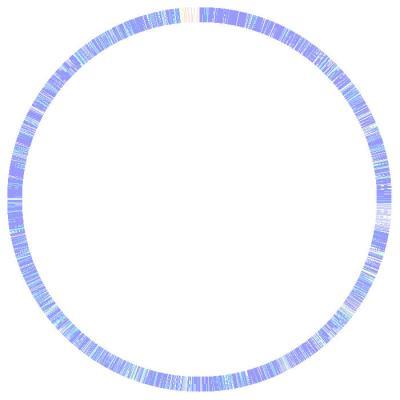
A strain of E. coli that is a common cause of outbreaks of food poisoning in the United States has had its genome sequenced. E. coli strain EDL933 was first isolated in the 1980s but gained national attention in 1993 when it was linked to an outbreak of food poisoning from Jack-in-the-Box restaurants in the western United States.


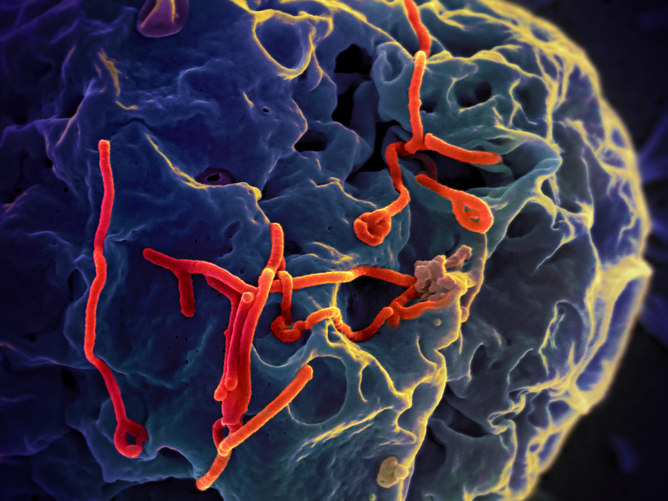
Scanning electron micrograph of Ebola virus budding from the surface of a Vero cell (African green monkey kidney epithelial cell line. Credit:NIAID

By Rob Brooks


My social media accounts today are cluttered with stories about “mutating” Ebola viruses. The usually excellent ScienceAlert, for example, rather breathlessly informs us “The Ebola virus is mutating faster in humans than in animal hosts.”

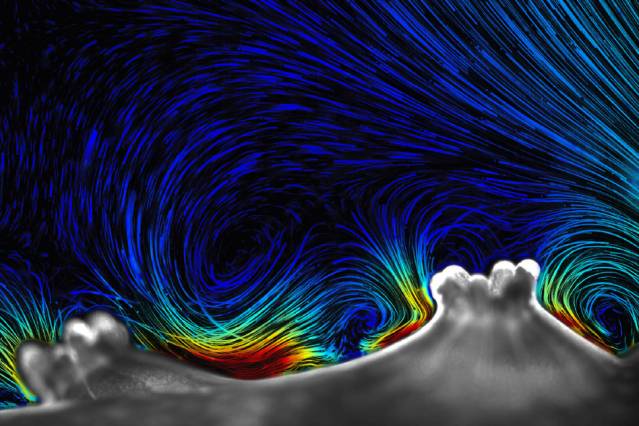
Corals, whose calcium-carbonate skeletons form the foundation of coral reefs, are passive organisms that rely entirely on ocean currents to deliver dissolved substances, such as nutrients and oxygen.

Or so it seemed. Scientists at MIT and the Weizmann Institute of Science (WIS) in Israel have found that they are far from passive, engineering their environment to sweep water into turbulent patterns that greatly enhance their ability to exchange nutrients and dissolved gases with their environment.
A four-year project on coffee wastewater treatment, The Energy from Coffee Wastewater project by UTZ Certified, has found that is possible to generate energy and protect water resources by treating discharges from coffee mills - maybe it will even tackle climate change.

The project started in 2010 with the goal of addressing what to do with the wastewater produced in the coffee industry. Tailor-made coffee wastewater treatment systems and solid-waste treatment mechanisms were installed in eight coffee farms in Nicaragua, ten in Honduras and one in Guatemala. The positive impact of the project on over 5,000 people in the region has inspired UTZ Certified to replicate the initiative in other countries.

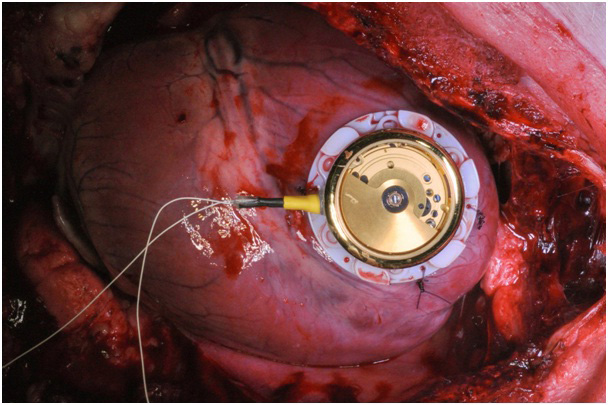
A new battery-less cardiac pacemaker is based on the automatic wristwatch concept - it is powered by heart motion.

The prototype device  presented at ESC Congress 2014 by Adrian Zurbuchen from Switzerland does not require battery replacement.

Zurbuchen is a PhD candidate in the Cardiovascular Engineering Group at ARTORG, University of Bern and said, "Batteries are a limiting factor in today's medical implants. Once they reach a critically low energy level, physicians see themselves forced to replace a correctly functioning medical device in a surgical intervention. This is an unpleasant scenario which increases costs and the risk of complications for patients.

Wockhardt Limited announced that two of its drugs, WCK 771 and WCK 2349, received the coveted Qualified Infectious Disease Product (QIDP) status from U.S. Food&Drug Administration (FDA).

QIDP status is granted to drugs which act against pathogens which have a high degree of unmet need in their treatment and are identified by the Centers for Disease Control. QIDP status allows for fast track review of the drug application by U.S. FDA, paving way for an early launch. This is the first instance of an Indian Pharmaceutical company receiving a QIDP status.

