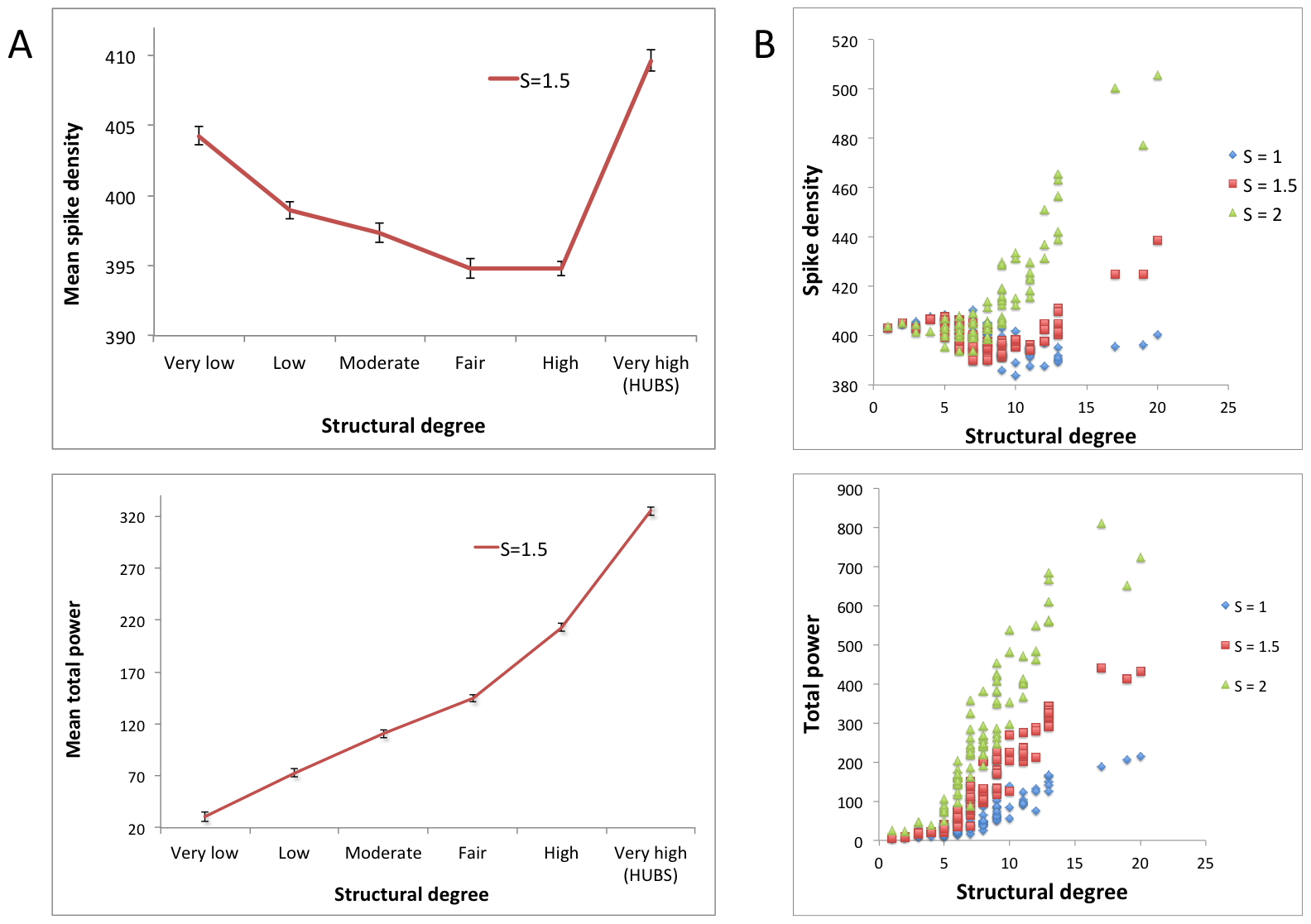





The latest literature suggests that brain activity patterns change at an early stage in Alzheimer's disease. Moreover, there is reason to believe that, instead of being the consequence of structural damage, they might be the cause.
Funny how you can go from darling of the intelligentsia to pariah in a short amount of time.  As I have mentioned before, when he was at Scienceblogs.com and then Wired.com, a few of us used to joke that whatever we wrote was going to end up in a Jonah Lehrer column next week.  Now its August of 2012 and even the rumor that Lehrer (who resigned from The New Yorker last month) was back at another Conde Nast publication, Wired, got a hasty disclaimer from them.

That's a legendary, Jayson Blair kind of plummet.
A few days ago I was asked by a Washington Times reporter, Emily Esfahani Smith, to comment on a soon to be published paper concerning the issue of liberal (or, rather, anti-conservative) bias in the academy. I am weary of the Washington Times, a paper that is well known (among liberals) to have a decidedly conservative (or, rather, anti-liberal) bias of its own, but agreed to respond in writing to Emily’s questions. The piece was published a few days later, and I was actually quoted pretty much correctly (even though the piece itself did have the predictable slant, featuring a title that goes far beyond the findings of the paper referred).
In the 'we must do something even if it does not work' department, it isn't always permanent; vapor recovery mandates for new gas stations in Pennsylvania are quietly dying. The Department of Environmental Protection today announced it will not enforce a requirement for new gas stations to install costly vapor recovery systems.

It's still the law, current regulations require facilities in southeast and southwest Pennsylvania to maintain vapor recovery systems, which are attached to gas pump nozzles to siphon off fumes while pumping gasoline, but they are not going to endorse it. A notice regarding the issue was submitted for publication in this week's Pennsylvania Bulletin.

DNA sequencing is getting faster and cheaper, but it's still pretty scary to patients who don't understand the difference between a risk factor and 'I have a gene for this disease' - doctors are also still unclear how they will be able to use this information.

When genomic data needs is a contest.

When we think about agriculture, technology and the future there is one apparent truth—we will need to produce more with less.  We are going to need to produce more food,with higher quality, closer to urban centers, with fewer agricultural inputs and impacts.

Modern feminists pooh-pooh their ancestors and assume because they didn't dress in bulky pantsuits, women were somehow meek and timid.

Not at all. A three-year study of the manuscripts compiled and written by one of Britain’s earliest known feminist figures, Lady Anne Clifford, shows that women challenged male authority plenty in the 17th century.  Basically, women of the Renaissance were not one-dimensional stereotypes, and neither were men - for allowing it. Clifford’s 600,000-word "Great Books of Record" documents the family dynasty over six centuries and her bitter battle to inherit castles and villages across northern England.
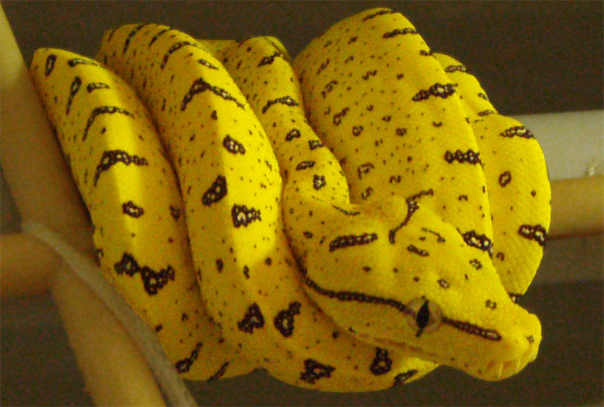
Snake Pliskin, the anti-hero of "Escape From New York", didn't get that name because of his armor, but one day there could be a lot of snake-like soldiers running around.

Soldiers, and certainly civilians that can be be helped in the medical engineering sector, may one day get artificial implants with minimal abrasion, inspired by biology, or armor with all kinds of neat mechanical properties.
Everyone talks about punches to the brain but not as much research goes into the neuroscience of sports punishment delivery systems.'

Researchers from Imperial College London and University College London are taking their shot at it.  They took brain scans which revealed distinctive features in the brain structure of martial arts experts, which they say could be linked to their ability to punch powerfully from close range.

Those differences in the structure of white matter – the connections between brain regions – were correlated with how black belts and novices performed in a test of punching ability.

There’s a band of people in the northwest hills of Italy who are fishing for the big one in the sky.

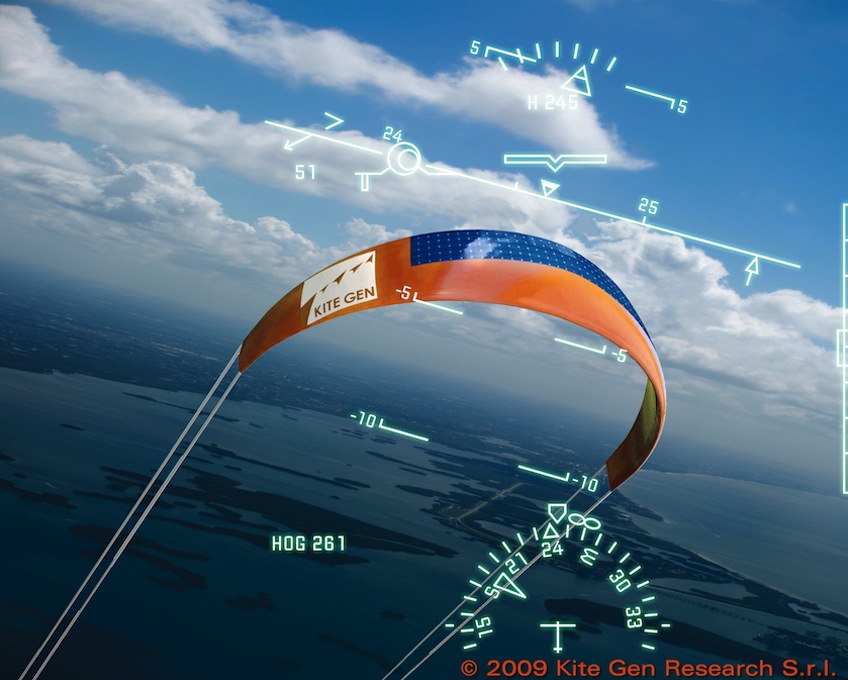
They’re not a religious sect trawling for a deity. They’re part of a Turin-based startup called Kite Gen Research and, as their name implies, they want to generate electricity by flying kites — really big kites, really high.

The basic idea is simple: Unreel a huge piece of fabric into mile high winds that will haul the thing along at expressway speed. Tether the fast spinning string to earthbound alternators and crank out megawatts of power.


