Lunch Hour Lectures have been running at University College London since 1942. It's terrific to know that even at the height of World War II, British citizens wanted to learn about the latest science in an informal setting.
Scheduled for today, the first one for the 2010-11 season has (well, had?) professor of genetics Steve Jones on ... incest.
New research suggests that walking at least six miles per week may protect brain size and in turn, preserve memory in old age.
For the study, 299 dementia-free people recorded the number of blocks they walked in one week. Then nine years later, scientists took brain scans of the participants to measure their brain size. After four more years, the participants were tested to see if they had developed cognitive impairment or dementia.
There is no quick fix for obesity - exercise devices on TV targeting fat are a hoax, for example. Where is the first place most people lose weight? Their face, yet no one is exercising their face.
So-called natural remedies for people desiring quick obesity fixes are also a lucrative market but a new study of medical records in Hong Kong revealed 66 cases where people were suspected to have been poisoned by a 'natural' slimming therapy. In eight cases the people became severely ill, and in one case the person died.
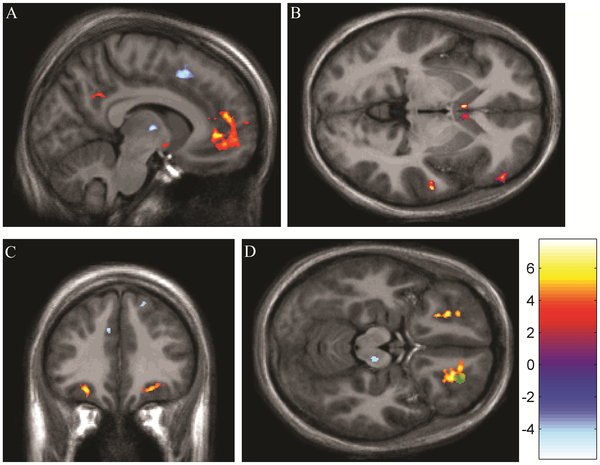
Intense, passionate feelings of love can provide effective pain relief on a par with painkillers or even illicit drugs like cocaine, according to a new study.
That's not to say you should rely on a string of affairs when you have a headache, but a better understanding of these neural-rewards pathways that get triggered by 'love', or winning money, could lead to new methods for producing pain relief.
Malware - malicious software written for purposes like identity theft - could get a lot more dangerous.
With so much information stored, and advancements in programming, malware programs could soon not only engage in traditional data theft or taking over a computer, but also 'steal' data on behavior patterns, a higher level of danger than easily detectable attacks.
The National Academies (the National Academy of Sciences, the National Academy of Engineering, and the Institute of Medicine) announced the recipients of their 2010 Communication Awards today. Part of the Keck Futures Initiative, these awards recognize excellence in reporting and communicating science, engineering, and medicine to the general public. With support from the W.M. Keck Foundation, these $20,000 prizes have been awarded since 2003. This year's winners will be honored during a ceremony on Oct. 22 at the Keck Center in Washington, D.C.
Winners: