



A combination of drugs widely used to treat infections caused by HIV appears to stop brain damage caused by the virus as well, according to a new study.

The study involved 53 men and women with an average age of 38. The participants were given a combination of several antiretroviral drugs known as Highly Active Anti-Retroviral Therapy (HAART) for one year. Researchers tested the participants’ cerebrospinal fluid before and after treatment to see if there were elevated levels of a particular biomarker for brain injury called neurofilament light protein.

The study found 21 people had high levels of the protein, suggestive of brain damage, at the beginning of treatment.

Another article last week, Do Inferior Numbers Scare Women Away From Science And Engineering?, expressed concern that there aren't enough women ( and minorities ) in science, engineering and math. A lot of math and science and engineering is getting done, it is just getting done primarily by men and that is a concern.

But why? I know why it should be a concern. I have enough of a liberal leaning to reflexively know it is supposed to be a concern but that is balanced out by age and the hard-earned realization that spending more money, in the case of awareness programs, or implementing quotas won't actually produce better science.

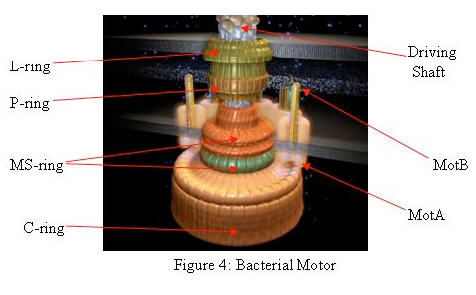
Today's microdevices rely on external energy sources, severely limiting their mobility and autonomy in biofactory environments. New research by a group led by Dr. MinJun Kim at Drexel seeks to use a monolayer of harmless, genetically modified bacteria as a power source, which would allow future “nano-bots” to be both autonomous and self-contained.

When fabricating nanoscale motors and in developing micron-scale power sources, the actuating of fluids in microfluidic systems is usually achieved through the use of large external actuators. Dr. Kim's team is exploring the possibility of using microorganisms as a method for fabricating nanoscale elements.


Credit: Kuniko Ishiguro

A new survey(C) released by Litozin joint health reveals that men and women who aim to keep fit, could in fact, be damaging their joints. Over two thirds (68%) of all active respondents who took part in the survey had suffered from joint pain at some point.

Joint injuries seem to be a common occurrence for the nations top sports performers with David Beckham and Freddy Flintoff both recent victims.

Commissioned by LitoZin(R), a rosehip based supplement which improves joint health, the survey looked at the impact on joint health of various sporting activities amongst groups of men and women in the under 45 and over 45 age groups who all undertook 10 hours or more of light exercise a month.

Cancer patients receiving chemotherapy have not noticed a restriction in their access to treatment following the enactment of the Medicare Prescription Drug, Improvement and Modernization Act of 2003 (MMA), despite the act's significant reduction in government reimbursement to oncologists, according to a new study led by researchers in the Duke Clinical Research Institute (DCRI).

“Critics of the MMA often said that it would reduce patients’ access to chemotherapy services, because doctors would receive 30 to 40 percent less reimbursement from the government for administering treatment,” said Kevin Schulman, M.D., director of the DCRI’s Center for Clinical and Genetic Economics, and senior investigator on the study.

Researchers in a multicenter international study state that if the HMMR gene becomes mutated it may increase a woman’s risk of breast cancer by more than a third.

Further, the researchers found that the gene interacts with the well-known breast cancer gene BRCA1. Alternations in either gene cause genetic instability and interfere with cell division, which could be a path to breast cancer developing. This leads researchers to not just a single gene, but a pathway that may be a potential target for treating or detecting breast cancer.

HMMR is mutated in about 10 percent of the population. Mutations in the two main genes involved in breast cancer susceptibility, BRCA1 and BRCA2, occur in about one of every 300 individuals, or less than 1 percent of the population.

Not literally aspirin, but researchers at the Boyce Thompson Institute for Plant Research (BTI) say methyl salicylate (MeSA), an aspirin-like compound, alerts a plant's immune system to shift into high gear.

It has long been known that plants often develop a state of heightened resistance, called systemic acquired resistance, following pathogen infection; this phenomenon requires the movement of a signal from the infected leaf to uninfected parts of the plant. Until now, however, no one knew what that signal was.

"Now that we have identified a signal that activates defenses throughout the plant, as well as the enzymes that regulate the level of this signal, we may be able to use genetic engineering to optimize a plant's ability to turn on those defenses," said Daniel F.

Evolution has mastered the art of turning trash to treasure - though, for scientists, witnessing the transformation can require a bit of patience. In new genetic research, scientists have traced the 170 million-year evolution of a piece of “junk” DNA to its modern incarnation as an important regulator of energy balance in mammals.

The discovery, they said, suggests that regions of the genome formerly presumed to be a genetic junkyard may actually be a hardware superstore, providing components that can be used to evolve new genes or new species.

Energy lost from hot engines could save billions of dollars if it could be captured and converted into electricity via thermoelectric devices, according to Clemson University physicist Terry Tritt.

“Thermoelectric generators are currently used in NASA’s deep-space probes to convert the heat of radioactive elements to electrical energy, powering these systems for over 30 years,” Tritt said. “Thermoelectric energy conversion is a solid-state technology that is environmentally friendly. One of the more promising ‘down-to-earth’ applications lies in waste-heat recovery in cars.”

Otto, the first of the two ALMA antenna transporters, was given its name at a ceremony on the compounds of heavy-vehicle specialist Scheuerle Fahrzeugfabrik GmbH, in Baden-Württemberg. This new colossus is 10 meters wide, 20 meters long and 6 meters high and will be shipped to Chile by the end of the month.

The transporter was named 'Otto' in honor of Otto Rettenmaier, the owner of the Scheuerle company. "The rather unusual move to name a vehicle is a recognition of the remarkable achievement these unique machines represent," said Hans Rykaczewski, the European ALMA Project Manager. "Their sizes alone would justify using superlatives to describe them.