


 Australian guidelines for the ethical use of IVF allow

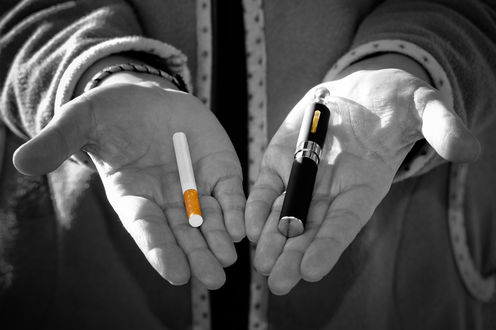
 E-cigarettes are attracting massive interest for their potential in helping smokers quit, to reduce harm in those who switch from cigarettes or cut down, and in reducing the uptake of smoking in teenagers, where the argument runs that they would be best to vape instead of smoking.




 Imagine if Big Ag industry lobbyists created a special section inside the US Department of Agriculture, where they got to define what artificial additives would go into their products and who could check their food for accuracy in labeling, all while claiming a special "health halo" for their products. Most people would object.
 Nutrition experts acknowledge that when it comes to the human body, there is no difference between sugar naturally found in foods and that which is added by manufacturers. That is, the body metabolizes sugar from colas the same way it does sugar from orange juice (yes, even organic orange juice). So why add a line to the ‘Nutrition Facts’ label that specifically cites the amount of added sugars? There’s no good reason that we can see, but that’s what the FDA plans to do.
Know Science And Want To Write?
Apply for a column: writing@science20.com
Donate or Buy SWAG
Please donate so science experts can write
for the public.
At Science 2.0, scientists are the journalists,
with no political bias or editorial control. We
can't do it alone so please make a difference.
We are a nonprofit science journalism
group operating under Section 501(c)(3)
of the Internal Revenue Code that's
educated over 300 million people.
You can help with a tax-deductible
donation today and 100 percent of your
gift will go toward our programs,
no salaries or offices.

Interesting insights from outside Science 2.0
