In the insect world, smells are important. Insects of course do not have noses, but they do have receptors on their antennae, feet, and other body parts that allow them to sense chemicals and odors.

Female parasitoid wasps and flies are known to hone in on their hosts (caterpillars, cicadas, and other insects and arthropods) by "smelling" them -- that is, they sense chemicals from other insects that attract them. Once they find the hosts, they lay eggs on or inside them, and the young that emerge from the eggs feed on them.

ANN ARBOR -- A new reconstruction of Antarctic ocean temperatures around the time the dinosaurs disappeared 66 million years ago supports the idea that one of the planet's biggest mass extinctions was due to the combined effects of volcanic eruptions and an asteroid impact.

Two University of Michigan researchers and a Florida colleague found two abrupt warming spikes in ocean temperatures that coincide with two previously documented extinction pulses near the end of the Cretaceous Period. The first extinction pulse has been tied to massive volcanic eruptions in India, the second to the impact of an asteroid or comet on Mexico's Yucatan Peninsula.

Goats have the capacity to communicate with people like other domesticated animals, such as dogs and horses, according to scientists from Queen Mary University of London (QMUL).

In a new paper in the journal Biology Letters, researchers from QMUL's School of Biological and Chemical Sciences found that goats respond to people by gazing at them when facing a problem they cannot solve alone, and their responses change depending on the person's behaviour.

To investigate, the team trained goats to remove a lid from a box to receive a reward. In the final test, they made the reward inaccessible and recorded their reaction towards the experimenters, who were either facing the goats or had their backs to them.

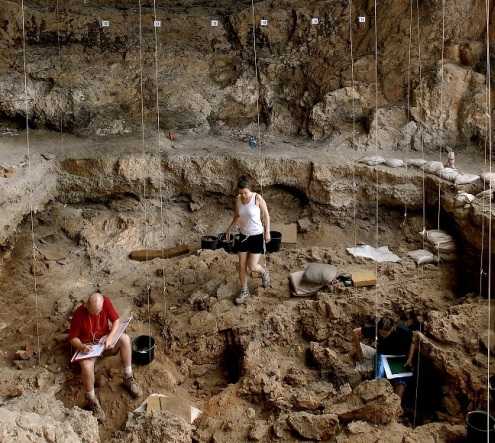
The woman was laid on a bed of specially selected materials, including gazelle horn cores, fragments of chalk, fresh clay, limestone blocks and sediment. Tortoise shells were placed under and around her body, 86 in total. Sea shells, an eagle's wing, a leopard's pelvis, a forearm of a wild boar and even a human foot were placed on the body of the mysterious 1.5 meter-tall woman. Atop her body, a large stone was laid to seal the burial space.

Tobacco and cannabis are two of the world's most popular drugs, used respectively by 1 billion and 182 million people worldwide (World Health Organization; United Nations Office on Drugs and Crime). The adverse health effects of tobacco are well known. Short-term effects of cannabis are transient impairments in motor function and working memory, planning, and decision-making, while possible long-term health effects of heavy cannabis use include physical and psychological dependence, permanent reductions in cognitive performance, cardiovascular and respiratory diseases, and some cancers (WHO).

Hamilton, ON (July 5), 2016 -- Ads for unhealthy foods and beverages high in sugar or salt have an immediate and significant impact on children and lead to harmful diets, according to research from McMaster University.

The study, published today in the scientific journal Obesity Reviews, examined 29 trials assessing the effects of unhealthy food and beverage marketing and analyzing caloric intake and dietary preference among more than 6000 children. Researchers found that the marketing increased dietary intake and influenced dietary preference in children during or shortly after exposure to advertisements.

More than 4,000 years ago, a proto-globalization process started in the Indian Ocean, one of the outcomes being a great human migration of African and Asian peoples spreading across the Indian Ocean to inhabit the fourth largest island in the world, Madagascar. Austronesian peoples came from Borneo on boats, and Bantu migrants crossed over from East Africa. Overall, the Malagasy is thought to be composed by more than a dozen of ethnic groups, and the specific geographic, linguistic origins and settlement dates are still hotly debated.

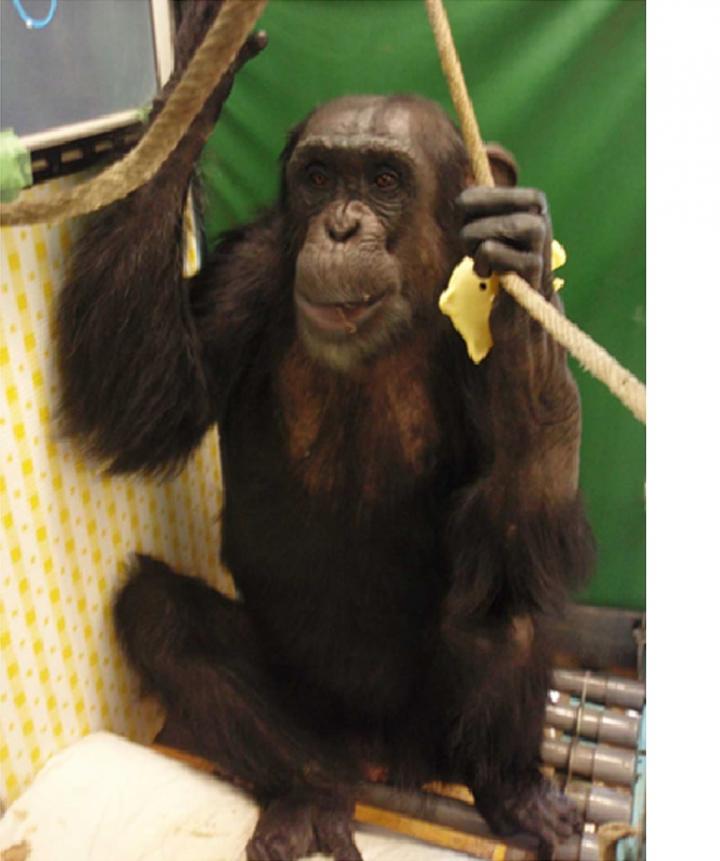
The case of Reo, a male chimpanzee that learned to walk again after being paralyzed due to illness, shows how much can be done to rehabilitate animals injured in captivity. So says lead author Yoko Sakuraba of Kyoto University, in an article in Primates, the official journal of the Japan Monkey Centre published by Springer.

In their normal work, researchers of the Primate Research Institute at Kyoto University use chimpanzees' interaction with computers and touch screens to study the cognition and perception of these primates. When Reo was paralyzed from the neck down, dedicated staff put this technology to further use by encouraging the animal to walk again. This is the first case in which a paralyzed chimpanzee has been rehabilitated through such a dedicated programme.

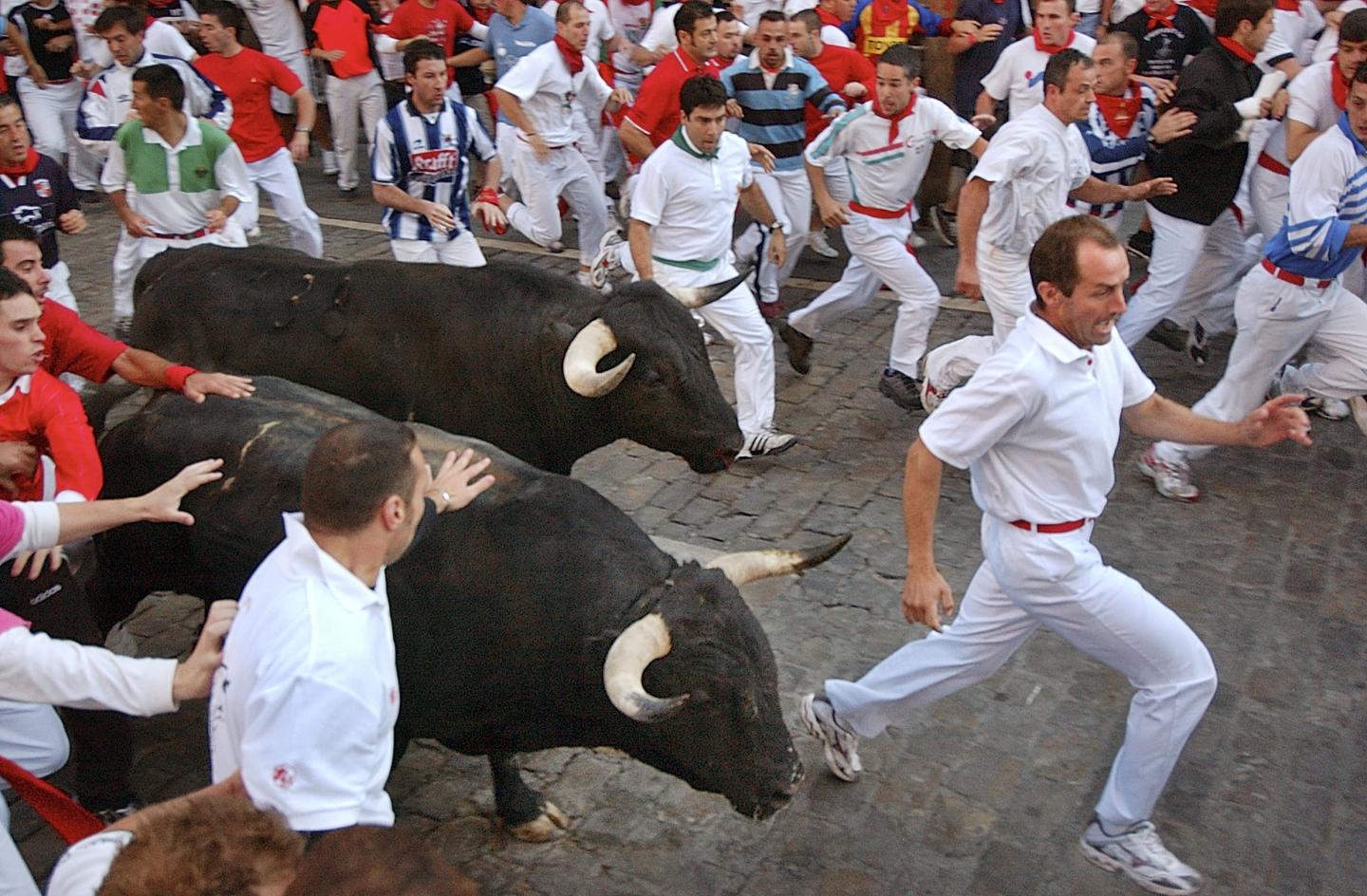
During the Pamplona, Spain, "Running of the Bulls" you won't need all of the ambulances that are placed along the route, so how do event organizers know where they should be? Statistics helps know. 

Experts have studied the bull runs of the last six years (a total of 48 races) in order to identify the risks that exist. As you might anticipate, absent an extraordinary event, like a terrorist attack or alien invasion, the risk to one set, the runners and the bulls, are the bulls themselves, the runners and the route. Runners may incur slight injuries such a falls, scratches or breakages, or even being gored. The bulls can suffer physical consequences such as broken horns or hooves. 

Water is liquid at room temperature - astounding for such a small molecule. Insights into the causes are provided by a new simulation method, which has its origins in brain research.

Using artificial neural networks, researchers in Bochum and Vienna have examined the atomic interactions of water molecules. Based on their findings, they explain the melting temperature of ice and the density maximum at four degrees Celsius - based solely on computer simulations.

