A once-in-a-lifetime opportunity in citizen science was certainly not on the minds of 6-year-old Alyson Yates and her mom, Kate, when they stepped out into their back yard one day to scout for ladybugs.
One of the larger topics concerning international security and science is the nuclear proliferation among states and potentially non-state actors. The genie has been let of the bottle so to speak. For this entry I'll discuss two forms of proliferation: dual use and modification.
“But to focus on combat vehicles is to miss the more important usage and dependency trends. In a study of fuel use in Iraq, the Marines found that only 10 percent of their consumption was by armed vehicles. The remainder was consumed by logistics vehicles. For the Army, only two of its top ten fuel consumers are combat vehicles. Ironically, three of the four least fuel-efficient Army vehicles are trucks that haul fuel.
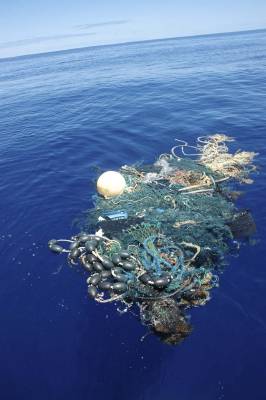
You know there's a lot of garbage floating around out there when it gets a name like "Great Pacific Ocean Garbage Patch."
Scripps Environmental Accumulation of Plastic Expedition (SEAPLEX) researchers decided to find out if it lived up to its moniker.
It wasn't a pretty sight.
The Scripps research vessel (R/V) New Horizon left its San Diego homeport on August 2, 2009, for the North Pacific Ocean Gyre, located some 1,000 miles off California's coast, and returned on August 21, 2009. They surveyed plastic distribution and abundance, taking samples for analysis in the lab and assessing the impacts of debris on marine life.
I received an interesting question today from an Alex Ziller in the comments thread of a recent post. Here it is:
Do you think blogging actually improves Science? (I know, one should first define what "improving Science" actually means).
I think this matter has been debated elsewhere not too long ago -where by "elsewhere" I mean "some site I sometimes visit, can't recall where". Nevertheless, I consider it a crucial question to ask, and one with several facets. Here is my short answer to Alex -of the kind of depth a comments thread is worth:
Bacteria that manufacture hydroxyapatite (HA) could be used to make stronger, more durable bone implants. Professor Lynne Macaskie from the University of Birmingham this week (7-10 September) presented work to the Society for General Microbiology’s meeting at Heriot-Watt University, Edinburgh.
Using Serratia bacteria, the research showed that the bacterial cells stuck tightly to surfaces such as titanium alloy, polypropylene, porous glass and polyurethane foam by forming a biofilm layer containing biopolymers that acted as a strong adhesive. The HA coating then builds up over the surface. For practical use, the HA layer must stick tightly, then the material is dried and heated to destroy the bacteria.
Bacteria that generate significant amounts of electricity could be used in microbial fuel cells to provide power in remote environments or to convert waste to electricity.
Professor Derek Lovley from the University of Massachusetts isolated bacteria with large numbers of tiny projections called pili which were more efficient at transferring electrons to generate power in fuel cells than bacteria with a smooth surface.
The team's findings were reported at the Society for General Microbiology's meeting at Heriot-Watt University, Edinburgh. “Putting Microbes to Work” is the Society for General Microbiology’s autumn conference at Heriot-Watt University, Edinburgh on 7 - 10 September 2009.
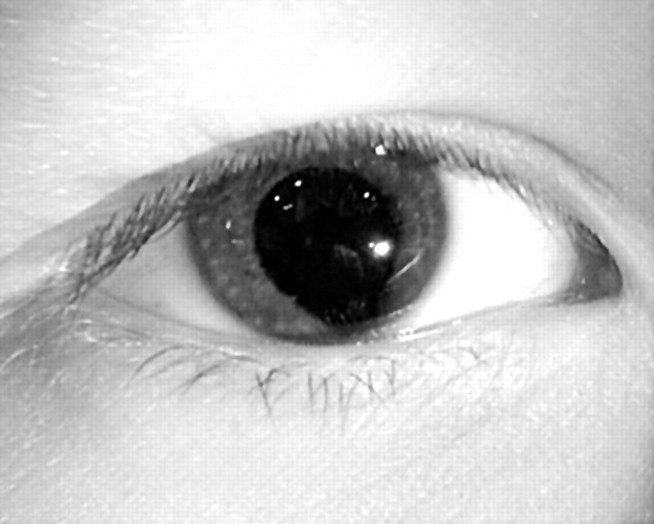
As the story was told to me, the realization that my eyes were “different” wasn’t discovered until I’d been home from the hospital for a couple weeks. You know how it is - newborns sleep a lot, and eye contact is a bit limited when you’ve got a little one that is only awake a small portion of the day. Then of course the majority of those waking hours are usually spent with the eyes scrunched up in a squawk. But after settling down a bit, the day came when my mother and I finally got a good look at one another. And as I understand it, the first time I looked my mom straight in the eye - she had a bit of a panic attack. Because when she looked down at her youngest baby daughter, I looked back with eyes that didn’t look like hers - but looked more like our pet cat’s.
Researchers say they have identified a genetic variation in people with type 2 diabetes that affects how the body's muscle cells respond to the hormone insulin.
Previous studies have identified several genetic variations in people with type 2 diabetes that affect how insulin is produced in the pancreas. Today's study shows for the first time a genetic variation that seems to impair the ability of the body's muscle cells to use insulin to help them make energy.
Until recently, I admired the autism parent community from afar. Like the
parents who awakened and changed the schizophrenia treatment world, parents of autistic children have moved both treatment and public opinion about the disorder almost 180 degrees from where it had been.
They did it fairly quickly, too: bringing autism from an obscure and stigmatized issue to a topic discussed openly in less than a generation.
I’ve watched with wonder as the autism world has developed and changed. While public knowledge, research funding, and public services aren’t adequate, they’ve come so far.