









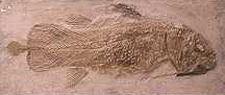
 Coelacanths are lobe-finned fish, which vary in size but can reach up to 6.4 feet in length and weigh up to 176 pounds. Scientists have inferred that they can live 80 to 100 years. Their closest living relatives are lungfish and as fossils they can be readily identified by their distinctive ‘tail flag’. They were long thought to be extinct because their fossil record seems to disappear quite abruptly along with the dinosaurs and many other creatures at end of the Cretaceous period, 65 million years ago.
 Know Science And Want To Write?
Apply for a column: writing@science20.com
Donate or Buy SWAG
Please donate so science experts can write
for the public.
At Science 2.0, scientists are the journalists,
with no political bias or editorial control. We
can't do it alone so please make a difference.
We are a nonprofit science journalism
group operating under Section 501(c)(3)
of the Internal Revenue Code that's
educated over 300 million people.
You can help with a tax-deductible
donation today and 100 percent of your
gift will go toward our programs,
no salaries or offices.

- Gestational Diabetes Up 36% In The Last Decade - But Black Women Are Healthiest
- Social Media Is A Faster Source For Unemployment Data Than Government
- Object-Based Processing: Numbers Confuse How We Perceive Spaces
- A Great Year For Experiment Design
- Males Are Genetically Wired To Beg Females For Food
- Not Just The Holidays: The Hormonal Shift Of Perimenopause Could Be Causing Weight Gain
- 2025 The Year Idiocracy Was Utopia Compared To Reality
Interesting insights from outside Science 2.0
