








More than 2,000,000 people are incarcerated in the United States, the highest incarceration rate in the world - little surprise when abusing a dog is a felony, there are different penalties for attacking a person of one color over another, and judges are given no sentencing leeway in many cases.

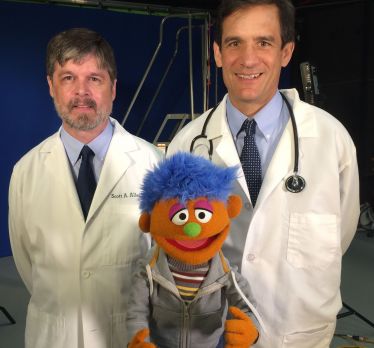
Given American willingness to put everyone in jail for whatever cultural lobbyists are advocating this year, it was only a matter of time before Sesame Street introduced a character that has an incarcerated father.

We are only beginning to see what augmented reality can do. Credit: Flickr/Karlis Dambra, CC BY

By Nick Kelly, University of Southern Queensland

With expensive clinical trials, lawyers waiting to sue, and long approval times unless a disease makes it into the New York Times, pharmaceutical companies are leaving the antibiotic space behind.

If you have read mainstream media reports on suicides, you recognize a common theme: men are painted as angry and rejected, while women are regarded as sociable and mentally ill.

A new analysis of daily newspaper coverage of suicide has far-reaching consequences, write scholars from Medical University of Vienna, because when it comes to suicidal behavior, there is a clear gender paradox: the ratio of men to women who actually commit suicide is three to one, but with attempted suicides it is just the opposite - three women for every one man. 

The authors say the findings demonstrate that the cultural script that bears partial responsibility for this is also found in the reports by Austrian daily newspapers.

While the modern talk is all about how antioxidants and good and free radicals are bad, biology has never been so simple. Rather than being simply destructive to tissues and cells, free radicals generated by the cell's mitochondria—the energy producing structures in the cell—are actually beneficial to healing wounds.

Reactive Oxygen Species (ROS) are chemically reactive molecules containing oxygen, such as peroxides and they are commonly referred to as free radicals. A new study finds they are necessary for the proper healing of skin wounds in the laboratory roundworm C. elegans.


By Marsha Lewis, Inside Science

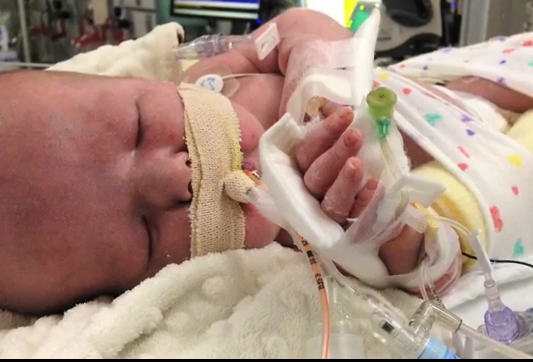
(Inside Science TV) –   You've seen toys and prosthetics made on a 3-D printer but now, scientists are using 3-D printers to build implants that help babies breathe.

Natalie Peterson, a parent of a child who was having trouble breathing shortly after birth said of her son Garrett, “When he was born, he was so sensitive to everything…when the nurses would move his head, he would just turn blue instantly.”

Almost every day 18 month old Garrett Peterson stopped breathing due to a collapsed trachea.


Credit: Wing-Chi Poon, CC BY-SA

By Sana Suri, University of Oxford

The 2014 Nobel Prize for Physiology and Medicine was awarded to three neuroscientists for their pioneering work on the brain’s “inner GPS system”. Over the course of four decades, they revealed that a small part in the brain called the hippocampus stores a map of animals' surroundings and helps them navigate.

A research team has discovered that a snail long confused with a far more common snail is actually distinct - and so they named it Aegista diversifamilia. 'Diverse family' being in honor of the modern gay marriage movement, the authors say.

Aegista subchinensis of Taiwan was first described in 1884. In 2003, one of the co-authors Dr. Yen-Chang Lee noticed that there was morphological divergence between the western and eastern populations of A. subchinensis, separated by the Central Mountain Range, a major biogeographic barrier in Taiwan. Lee suggested that there might be cryptic species within the one identified as A. subchinensis at the time.

Cholesterol has gotten a bad reputation, thanks to mainstream media's penchant for alternating miracle vegetables with scare journalism, which prompts shady diet fad book authors to promote whatever is getting attention this year.

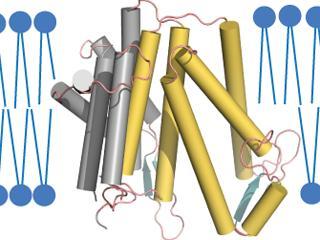
Outside health fads, cholesterol is an essential component of human cells, manufactured by the cells themselves, that serve to stiffen the cell's membrane, helping to shape the cell and protect it. By mapping the structure of a key enzyme involved in cholesterol production, researchers have gained new insight into this complex molecular process.

