What if bacteria could talk? Or use touch? A new study hypothesizes that bacterial cells may need to communicate in order to perform certain functions.
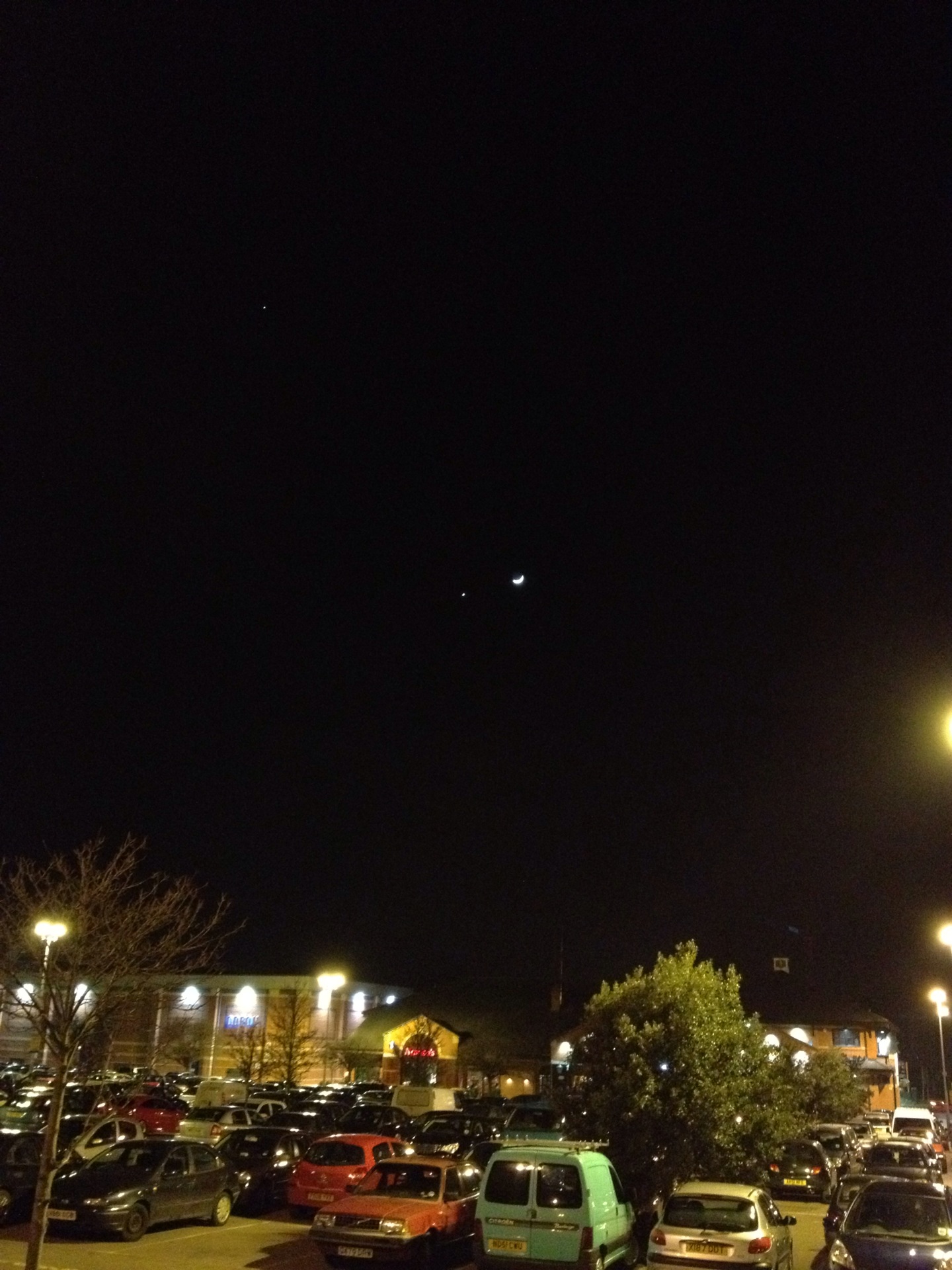
"To her who appears in the sky
to her who appears in the sky
I want to address my greeting
to the hierodule who appears in the sky
I want to address my greeting
to the great queen of heaven, Inanna [ancient Sumerian name for Venus]
I want to address my greeting
to her who fills the sky with her pure blaze
to the luminous one
to Inanna
as bright as the sun
to the great queen of heaven."
An ancient Sumerian hymn to Venus, written by priests
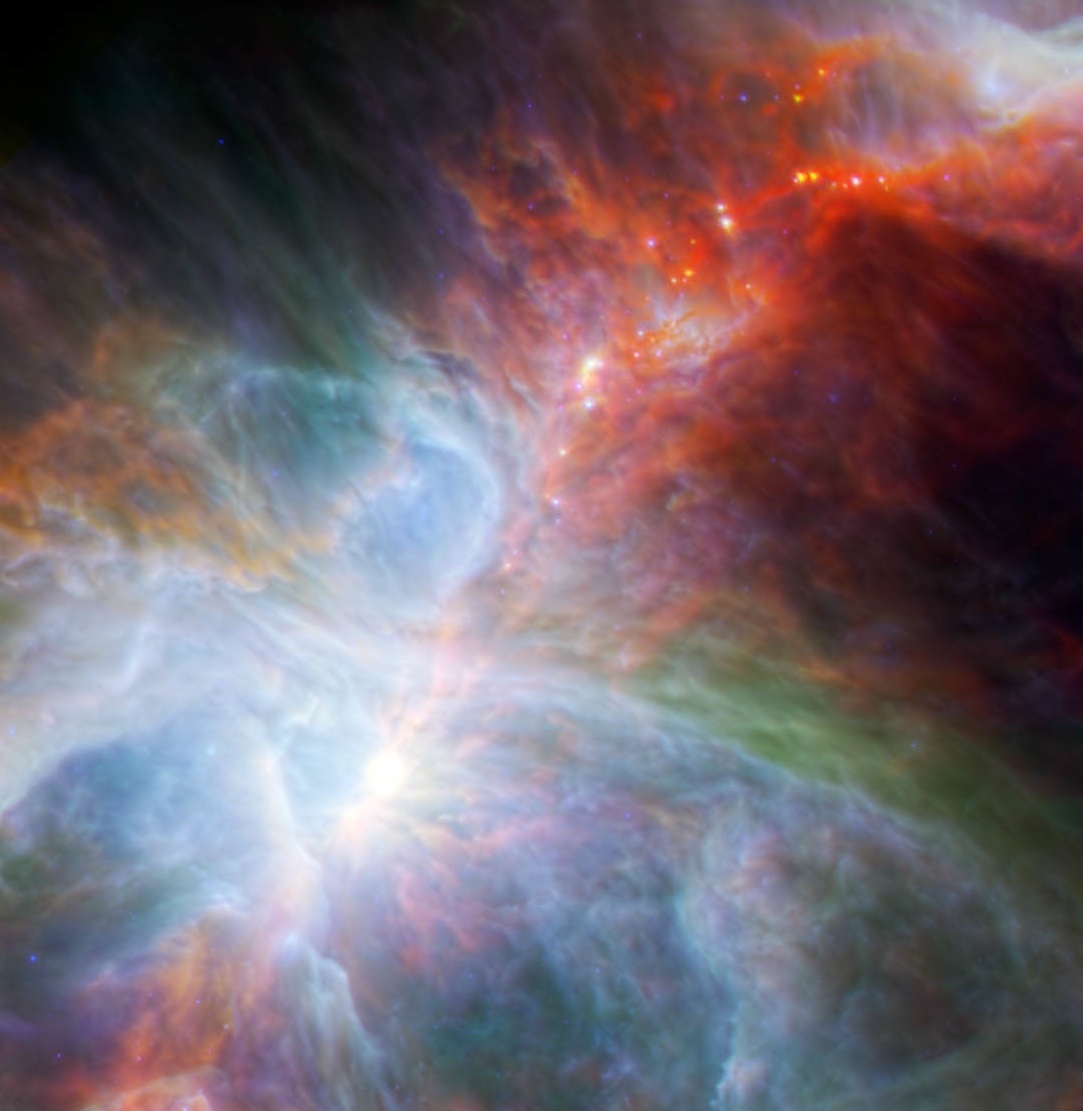
Astronomers have detected rapid changes in the brightness of embryonic stars within the well-known Orion Nebula, 1,350 light years from Earth, which appears prominently in the winter skies for European observers. Sometimes referred to as the Sword of Orion, the nebula lies below the three stars that form the belt of Orion the Hunter, one of the most easily recognized constellations.
It is one of the few nebulas visible to the naked eye and is a popular target for amateur astronomers.
Criegee biradicals, invisible chemical intermediates, are powerful oxidizers of pollutants such as nitrogen dioxide and sulfur dioxide produced by combustion and can naturally clean up the atmosphere. Sounds like fiction, right? These chemical intermediates were first postulated by Rudolf Criegee in the 1950s but researchers now say that they have been detected and with further research could play a major role in off-setting climate change.

Back in August, an iPhone game called simply "Squids"
charmed me with its adorable, somewhat-anatomically-plausible rendition of my favorite animal. Luckily for my productivity, however, I don't have an iPhone--I have a
Nexus One.
Americans like to fix things. We like to improve and we are convinced the future will be better, a subset of people who want to retreat into the world of the past aside(1), but nothing has changed little despite a century of being criticized like university lectures.
As today I have just published a piece on CP violation which lacks detail on the theoretical aspects of the issue, I think it is a good time to offer you here a post on the matter written by Carl Brannen, a independent researcher and now Ph.D. student who is a great example of how what is typically dubbed "crackpottery" can at times convert into accepted science. Carl has managed to get a few of his papers accepted for publication, but he remains "on the edge", dealing with issues that many frown upon. Maybe he is right, or maybe he is not, but I sympathize with his approach, so I occasionally offer him this site for his pieces [TD].
A long awaited confirmation that direct CP violation occurs in Bs mesons (particles composed of a b- and an s-quark) not unlike what happens to lighter mesons (the K0, the B0, and the D0) is coming from LHCb. In
an article appeared yesterday in the Cornell arxiv, LHCb describe their measurement of direct CP violation in the decays of both B0 and Bs mesons to Kπ final states (a kaon and a pion). The former is now the best precision measurement we have of the phenomenon, the latter is also the most precise bid (only one former measurement of the effect exists).