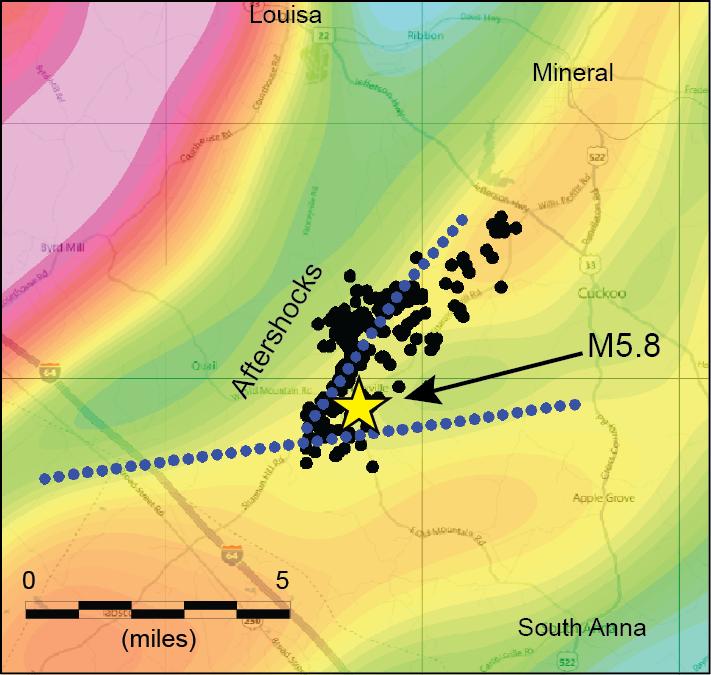





The 2011 east coast earthquake felt by people from Georgia to Canada likely originated from a fault “junction” just outside of Mineral, Virginia, according to new U.S. Geological Survey research published in the Geological Society of America’s Special Papers.

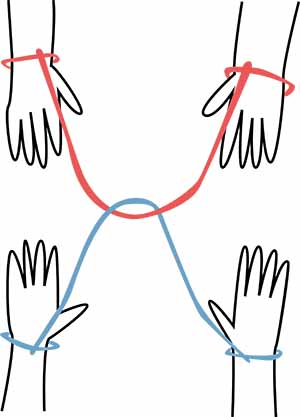
A young boy sits on the carpet, his feet disappearing into a giant pair of sweatpants he put on over his own clothes before loosely tying his ankles together.

He has taken the sweatpants off and is now trying to put them back on inside out without removing the ankle cuffs.

Yes, it can be done.


Holly Bernstein, who earned a PhD in mathematics at Washington University in St. Louis in 1999, watches him struggle for a bit and then says, “Remember the pants have more than one hole. You don’t necessarily have to put them back on the way you put them on in the first place.”

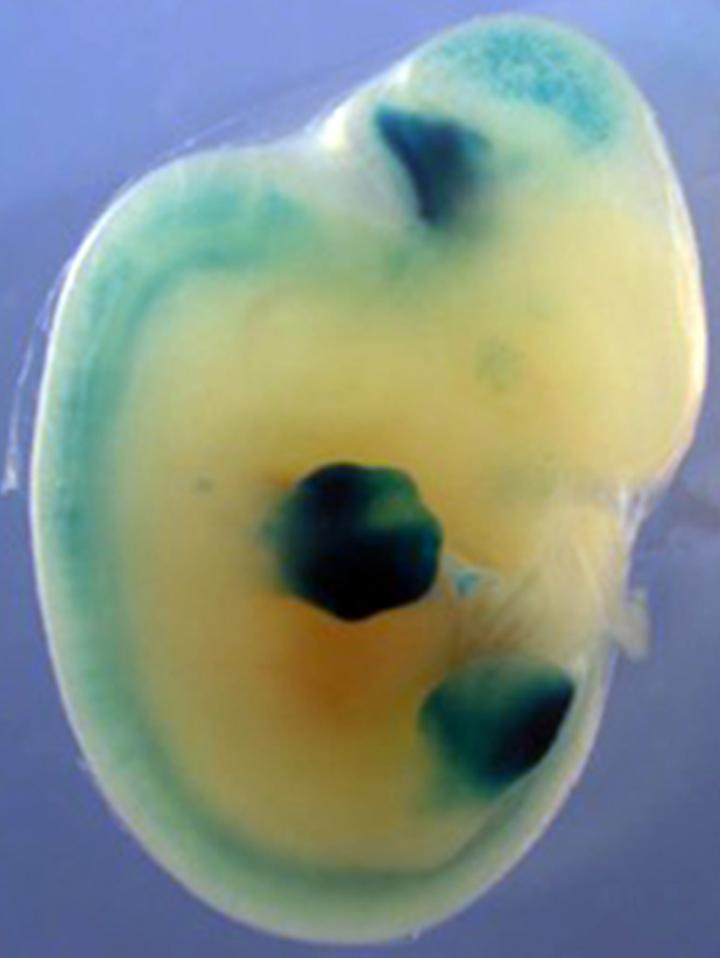
Lost memories can be restored, which offers some hope for patients in the early stages of Alzheimer's disease.

The belief has been that memories are stored at the synapses -- the connections between brain cells, or neurons -- which are destroyed by Alzheimer's disease. The new study provides evidence contradicting the idea that long-term memory is stored at synapses.

The Christmas Truce is no stranger to popular entertainment – this year more than any other as its 100th anniversary is marked. The famous moment when British and German soldiers climbed out of the trenches in peace on Christmas Day 1914 has been replicated and ruminated upon in history books, film, and propaganda – and now advertising. In the UK, the supermarket Sainsbury’s 2014 Christmas advert dramatizes the event, prompting cries of outrage that it has trivialized it.

But what really happened 100 years ago?


After a year in which further details of national intelligence agencies' shadowy surveillance networks were laid bare, a fresh leak of documents reveals the obsessive surveillance that extends as far north as Lapland.

Santa’s Arctic Workshop (SAW) has deployed a multinational panopticon surveillance program, according to leaked documents being called “the Snowman Files”.


Smile, though your heart is aching. Morgan, CC BY

By Annie Austin, University of Manchester

The evolutionary adaptations of ancient lobe-finned fish transformed pectoral fins used underwater into strong, bony structures that enabled emerging tetrapods, animals with limbs, to allow them crawl in shallow water or on land. 

The disconnect between paleontology and evolutionary biology has been why the modern structure called the autopod, comprising wrists and fingers or ankles and toes, has no obvious morphological counterpart in the fins of living fishes. 

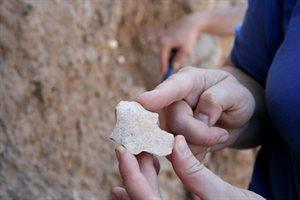
The oldest recorded stone tool found to-date has been unearthed in Turkey.

The chance find of a humanly-worked quartzite flake, in ancient deposits of the river Gediz in western Turkey, show that humans passed through the gateway from Asia to Europe much earlier than previously thought, approximately 1.2 million years ago and provides new insight into when and how early humans dispersed out of Africa and Asia.

The international team used high-precision equipment to date the deposits of the ancient river meander, giving the first accurate time-frame for when humans occupied the area.


Francesco Botticini's The Assumption of the Virgin shows the heavenly hierarchies at play.

By Martin Parker, University of Leicester

Our Milky Way is part of a cluster of more than 50 galaxies that make up the ‘Local Group’, a collection that includes the famous Andromeda galaxy and many other far smaller objects.

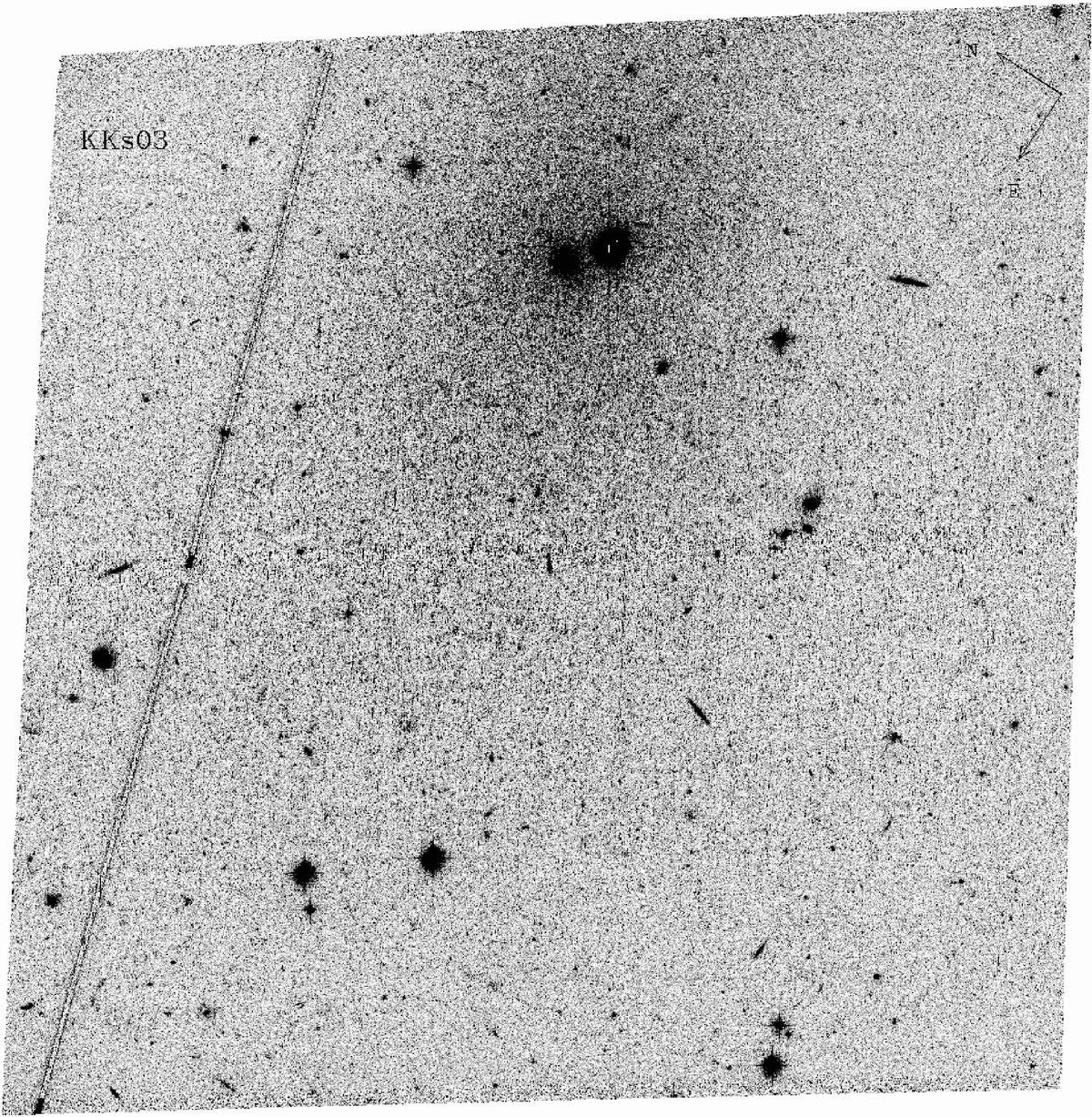
And now one more, a tiny and isolated dwarf galaxy almost 7 million light years away, named KKs3. KKs3 was found using the Hubble Space Telescope Advanced Camera for Surveys (ACS) in August 2014 in the southern sky in the direction of the constellation of Hydrus and its stars have only one ten-thousandth of the mass of the Milky Way.


